From the file. Written for the paper dated April 2019. Opened in the public stacks July 14, 2026.
As the world grapples with the consequences of recent health crises, the discussion around pandemic readiness is more crucial than ever. Yet, within this discourse lies a stark reality: the procedures that are often overlooked, if not completely ignored.
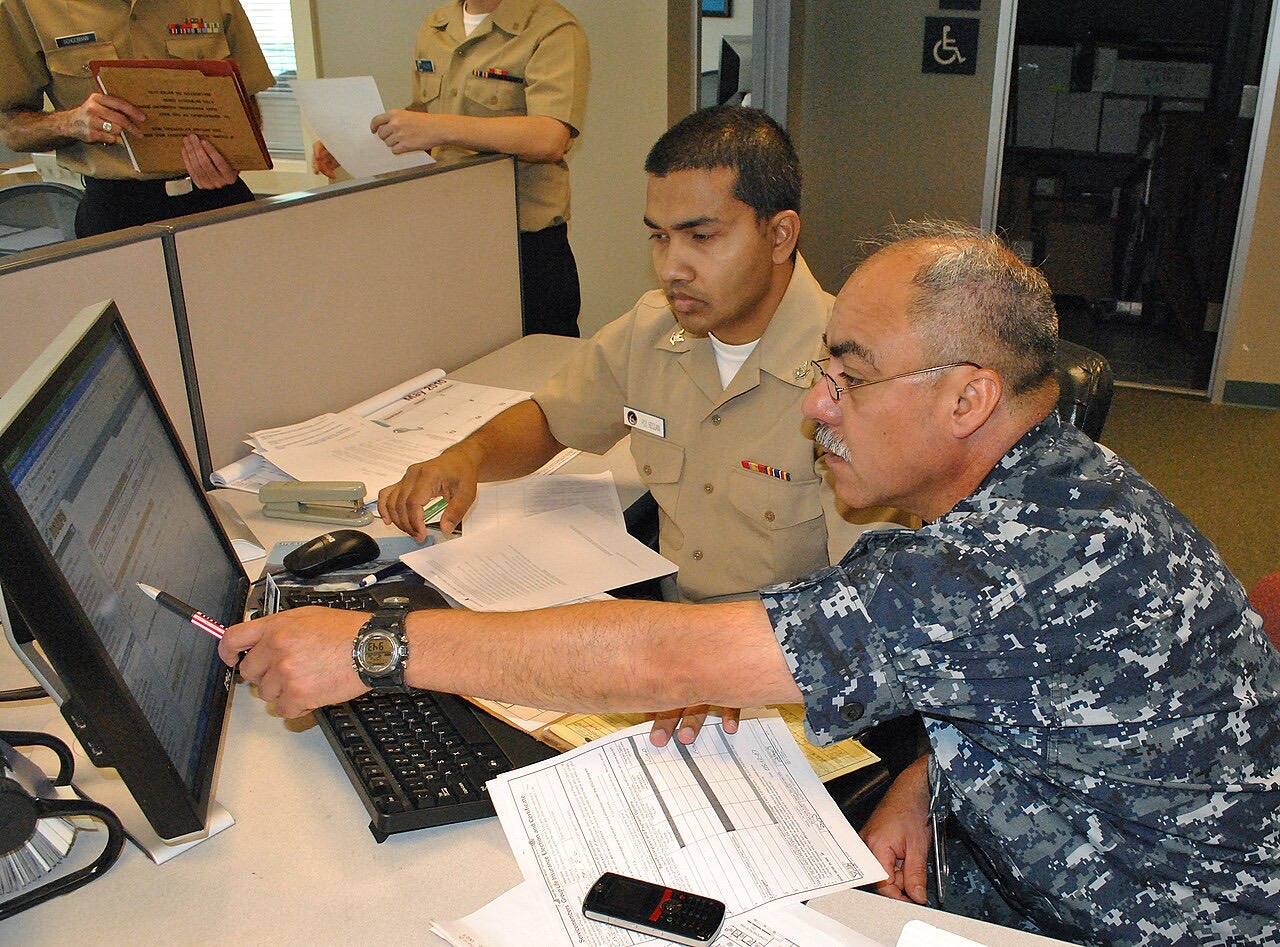
The Uncomfortable Truth of Pandemic Preparedness
In the wake of the Ebola outbreak and ongoing concerns surrounding Zika and other infectious diseases, governments and health organizations have ramped up their efforts toward pandemic preparedness. However, despite the increased focus, a fundamental aspect of this readiness continues to be swept under the rug: the protocols for dealing with quarantine and isolation. While no one wants to face the grim reality of a pandemic, the conversation around these procedures is necessary for effective public health responses.
Quarantine protocols, while essential, often evoke discomfort and resistance from the public. The idea of isolating individuals, even for the greater good, raises ethical questions and fears of stigmatization. For many, the very notion of quarantine conjures images of fear and confinement. This is where both extremes of the political spectrum exhibit troubling tendencies: the left often emphasizes individual rights and freedoms, sometimes neglecting the collective responsibility to protect public health, while the right tends to prioritize swift action without adequate consideration of civil liberties.

A robust pandemic response requires not only scientific preparation but also a willingness to engage in difficult conversations about public health ethics.
The Role of Communication in Quarantine Protocols
Effective communication is paramount when discussing quarantine measures. Public health officials must convey not only the necessity of these protocols but also the science behind them. Misinformation spreads quickly, and if the public perceives quarantine as draconian, compliance will falter. This is where the left can play a crucial role in advocating for transparency and education around these measures. Yet, there is also a danger in overly politicizing the issue, which can lead to further mistrust among those who may already be skeptical of government intentions.

On the other hand, the right's tendency to prioritize a rapid response can lead to hasty decisions that may not consider the nuances of public health ethics. The call for immediate action without thorough planning and community engagement can backfire. As seen in previous health crises, communities that feel marginalized or left out of the conversation are less likely to heed public health recommendations, further complicating the situation.
Addressing the Fear Factor
Fear is a natural response to the potential threat of a pandemic, but it can also be a double-edged sword. While it can motivate individuals and communities to take preventive measures, it can just as easily lead to panic and irrational behavior. This is where both political sides must find common ground. The left must recognize that fear can be a catalyst for action, while the right should understand that unchecked fear can lead to chaos rather than a reasoned response.
Health officials need to frame quarantine not as a punishment but as a necessary strategy to protect the community. Education campaigns that emphasize the science of disease transmission and the benefits of isolation can help mitigate fear. It is about fostering a sense of collective responsibility rather than imposing restrictions.
Public health is not merely a set of guidelines; it is a shared commitment to the well-being of our communities.
Building Trust Through Collaboration
To move forward, a collaborative approach is essential. Both sides of the political aisle must bridge their differences and work together to create a framework for pandemic readiness that respects individual rights while prioritizing public health. This means engaging with communities, understanding their concerns, and developing policies that are both science-based and empathetic.
Healthcare professionals must be at the forefront of this conversation, providing expert opinions and guidance. Their voices can lend credibility to the necessary measures, creating a more informed public. However, this requires politicians to listen and engage with medical experts rather than politicizing their recommendations.
Conclusion: Prepare for the Unthinkable
In conclusion, the conversation surrounding pandemic readiness must include the uncomfortable discussions about quarantine and isolation. Both the left and the right have roles to play in addressing these issues, and collaboration is key. By fostering a culture of understanding and cooperation, we can build a more resilient public health infrastructure that is capable of facing the unthinkable.
✦ ✦ ✦