From the file. Written for the paper dated April 2019. Opened in the public stacks July 14, 2026.
The debate surrounding minimum wage often ignites passionate arguments on both sides, but few are willing to confront the procedural complexities that underpin these discussions.
The Minimum Wage Landscape
As the national conversation about minimum wage continues to intensify, it is crucial to step back from the emotionally charged rhetoric and examine the more nuanced realities of how minimum wage laws are crafted and implemented. Both proponents and opponents of raising the minimum wage often engage in a simplistic binary discourse that overlooks the intricacies of the policy-making process.
On one hand, advocates for increasing the minimum wage argue that a higher wage is essential for workers struggling to make ends meet. They present compelling narratives of families living paycheck to paycheck, emphasizing the moral imperative to ensure that full-time workers earn a wage that can support their basic needs. However, this perspective often glosses over the economic ramifications - such as potential job losses, increased prices, and the impact on small businesses - of a sudden wage hike.
Conversely, opponents of raising the minimum wage frequently cite studies that predict dire consequences for employment rates and economic growth. They paint a picture of businesses crushed under the weight of increased labor costs, leading to layoffs and a stunted job market. Yet, this argument can become overly reductive, failing to acknowledge the potential benefits for the economy that increased wages can bring through greater consumer spending.
The Procedure Behind Minimum Wage Laws
While the arguments on both sides are often loud and divisive, the actual process of setting and adjusting minimum wage laws is rarely discussed. This procedure involves multiple layers of bureaucracy, negotiation, and the influence of various stakeholders, including labor unions, business organizations, and political entities.
One critical aspect of this process is the role of economic studies and job market analyses that inform policymakers. Often, these studies are cherry-picked by both sides to support their respective narratives. For instance, a study showing positive outcomes from minimum wage increases may be highlighted by advocates, while opponents may focus on findings that predict negative impacts. This selective use of data can obscure a more comprehensive understanding of the consequences of wage changes.
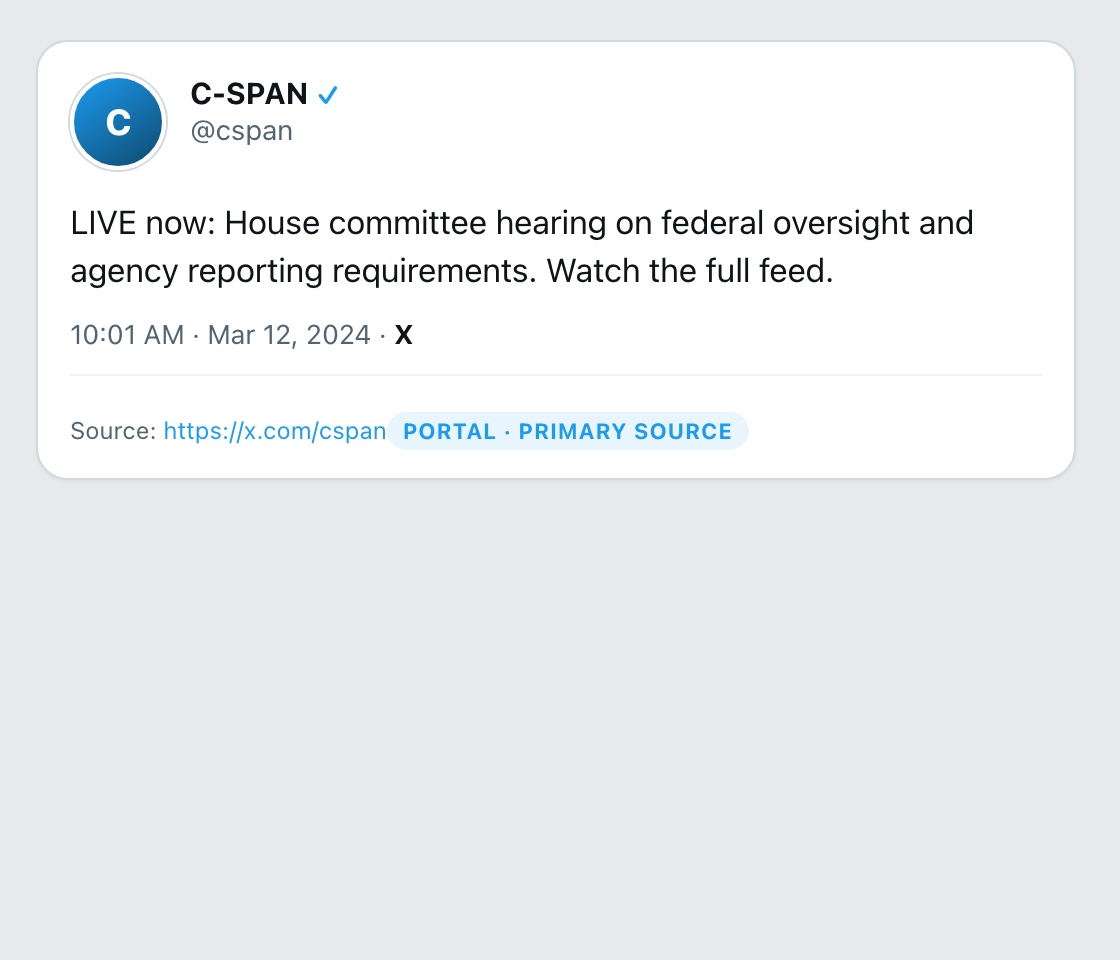
Moreover, the legislative process itself is fraught with complications. Bills proposing minimum wage increases must navigate through committees and various levels of scrutiny before they can even reach the floor for a vote. This often means that compromises must be made, leading to a final product that may not reflect the original goals of the advocates for higher wages.
Impact on the Workforce
As the minimum wage debate rages on, it is also essential to consider the effect these laws have on the workforce, particularly among vulnerable populations. Many minimum wage workers are young people, part-time employees, and those in entry-level positions. As such, a sudden increase in wage requirements could lead to a ripple effect that disproportionately affects these groups. Businesses may cut back on hiring or reduce hours to accommodate increased wages, which could mean fewer opportunities for those seeking to enter the job market.
Furthermore, the issue is complicated by regional disparities. A one-size-fits-all approach to minimum wage legislation fails to account for the varying cost of living across different areas of the country. What might be a livable wage in one city could be insufficient in another, leading to calls for localized solutions rather than blanket increases.
Finding Common Ground
To move forward in a constructive manner, it is imperative that both sides of the minimum wage debate engage in honest and respectful dialogue. This means acknowledging the complexities of the issue and working together to find solutions that balance the needs of workers with the realities of the economic landscape.
In doing so, there could be room for innovative approaches, such as gradual increases tied to inflation, targeted tax incentives for small businesses, or even investments in job training programs aimed at elevating workers into higher-paying jobs. These alternatives could help bridge the divide between the two sides while ensuring that the fundamental goal of improving workers' lives remains intact.
Ultimately, the future of minimum wage laws hinges on the willingness of lawmakers and citizens alike to engage in a more profound exploration of the underlying issues. Only then can we hope to forge a path that supports workers while fostering a healthy and sustainable economy.
✦ ✦ ✦