From the file. Written for the paper dated March 2019. Opened in the public stacks July 14, 2026.
Public lab open houses offer an intriguing glimpse into the world of scientific inquiry, yet behind the buzz and excitement lies a mundane reality that often goes unnoticed.

The Allure of Public Lab Open Houses
Every spring, public lab open houses serve as a beacon for aspiring scientists and curious minds alike. These events promise hands-on experiences, engaging demonstrations, and the chance to meet professionals in various fields. This year, as in years past, visitors flocked to local laboratories with anticipation. But while the allure of innovation and discovery attracts many, the underlying mechanisms of scientific work often reveal a more tedious truth.

Open houses are designed to showcase the cutting-edge research happening behind closed doors. From chemistry to biology, guests can witness experiments that range from the captivating to the confounding. Yet, as one walks through the exhibits, it becomes apparent that much of scientific progress relies not on grand breakthroughs but on the relentless grind of hypothesis testing and data collection.
The Dissonance of Perception and Reality
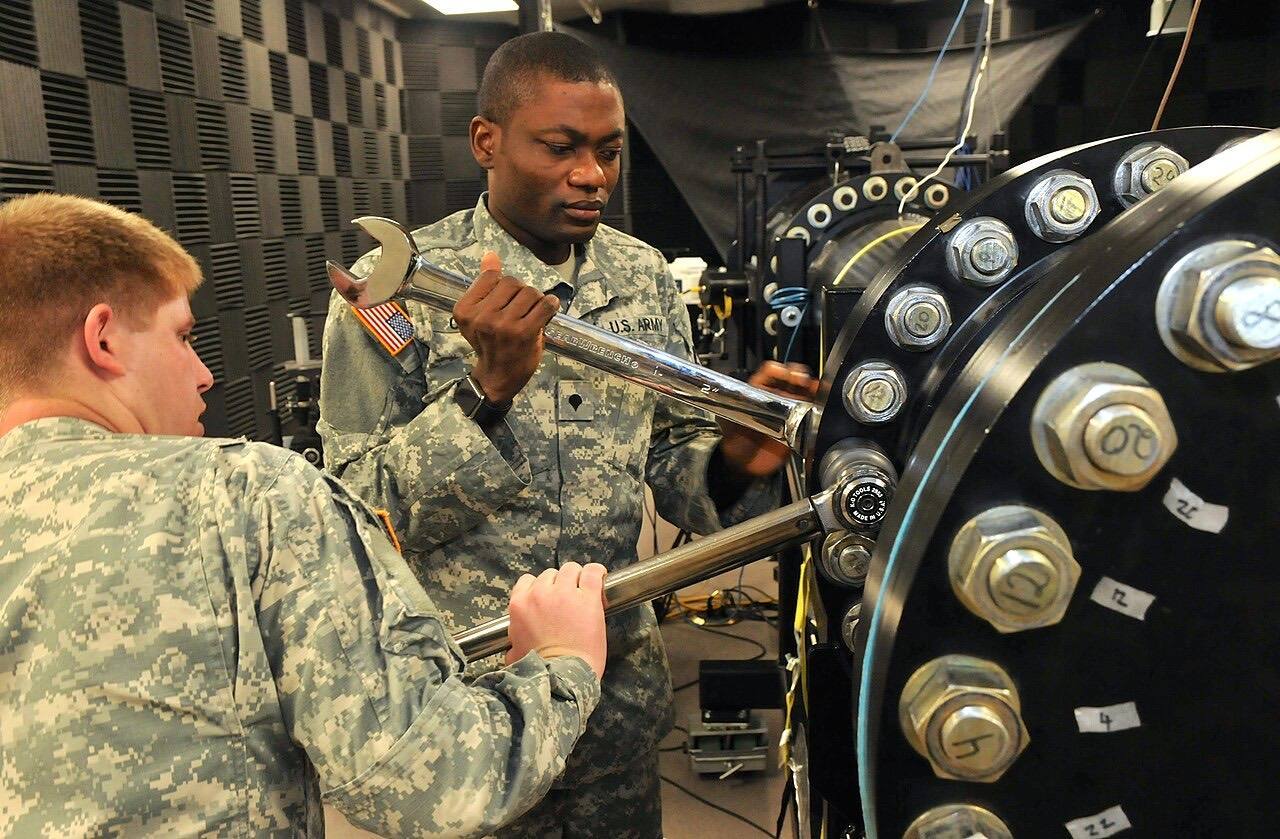
For many, the glamour of science is embodied in the moments of revelation - the eureka moments that make headlines and inspire awe. However, these events are the exception rather than the rule. The reality of scientific inquiry is often characterized by long hours spent in the lab, meticulous calculations, and repeated failures. The excitement of the open house can overshadow the labor-intensive processes that make those moments possible.

"Science is not about the victory of ideas but the slow, often tedious process of validating them."
This dissonance between perception and reality is not only present in public lab open houses but permeates the broader discourse on science. Both the left and right political extremes often distort the narrative surrounding scientific research to fit their agendas. On one side, activists may promote sensationalized outcomes, while on the other, skeptics may downplay the importance of rigorous scientific methodology.
Left and Right: A Tug of War
The left often champions science as a beacon of hope, using it to advocate for progressive policies like climate change action and public health initiatives. Yet, in their eagerness to promote these causes, they sometimes gloss over the complexities and uncertainties inherent in scientific research. The public may be left with the impression that scientific conclusions are absolute, rather than provisional and subject to revision.

Conversely, the right tends to portray science as a tool of elitism, often dismissing it when it conflicts with their ideological beliefs. This skepticism can undermine public trust in scientific institutions, leading to a dangerous disregard for evidence-based policy. By emphasizing the uncertainties of science, they can create a narrative that questions the validity of entire fields of study.
The Cost of Simplification
Both ideologies, in their pursuit of clarity and conviction, risk oversimplifying the scientific process. The complexities of research are lost in translation, and the public is left with a skewed understanding of how science operates. This simplification has dire consequences, as it can lead to disillusionment with science when anticipated results fail to materialize, or worse, when political agendas overshadow the pursuit of knowledge.
Bridging the Gap
To bridge the gap between public perception and the reality of scientific work, it is essential for scientists and institutions to communicate more effectively. Transparency about the research process, including its challenges and limitations, can foster a more nuanced understanding among the public. Engaging narratives that include the bumps along the road to discovery can demystify science and promote a more informed citizenry.
Moreover, public lab open houses should not only celebrate the achievements of science, but also acknowledge the long road that leads to those achievements. By incorporating the less glamorous aspects of research into their presentations, they can help cultivate a deeper appreciation for the scientific method and its inherent uncertainties.
Conclusion: Embracing the Ordinary
As we celebrate the excitement of public lab open houses, we must also confront the boring mechanisms behind the noise. Science is a journey filled with trials, errors, and incremental progress. By acknowledging the hard work that goes into scientific discovery, we not only honor the efforts of researchers but also empower the public to engage with science on a more meaningful level.
✦ ✦ ✦