From the file. Written for the paper dated March 2019. Opened in the public stacks July 14, 2026.
In the cacophony of political discourse, where every tweet and press release seems to spark outrage or elation, the quieter, more methodical world of federal agency rulemaking often gets overshadowed. This week, we take a closer look at the mechanics behind this essential, albeit mundane, aspect of governance.

The Machinery of Governance
Rulemaking by federal agencies is the cornerstone of public policy implementation. It is here that the laws passed by Congress translate into actionable guidelines that affect daily life. Yet, while the public’s attention is drawn to the bombastic headlines generated by executive orders and partisan bickering, the real work of governance is occurring in the quieter halls of regulatory agencies.
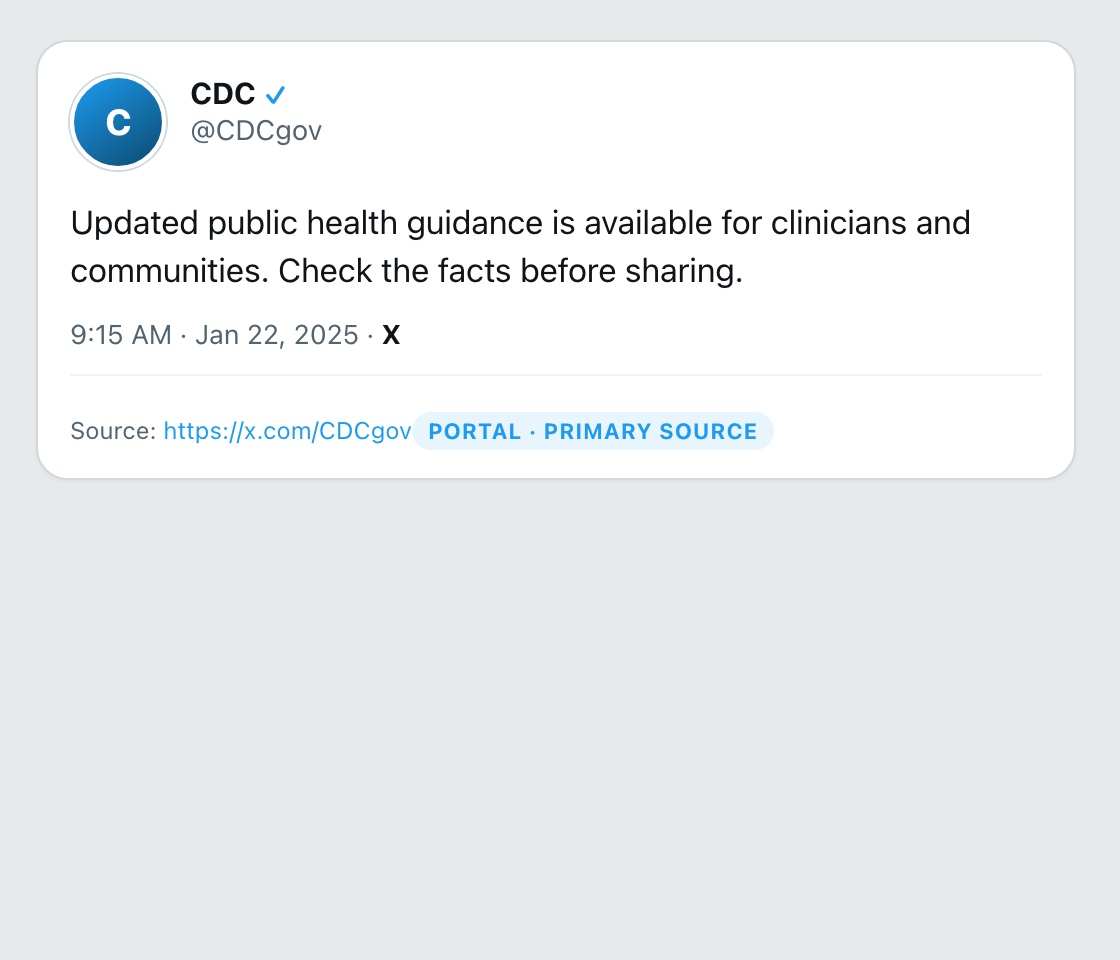
In recent days, several federal agencies have proposed rule changes that could impact various sectors, from environmental regulations to labor rights. For instance, the Environmental Protection Agency (EPA) has been working on new regulations concerning emissions standards for power plants. Such proposals can lead to heated debates, as industry groups often lobby for looser regulations while environmental advocates push for stricter standards.

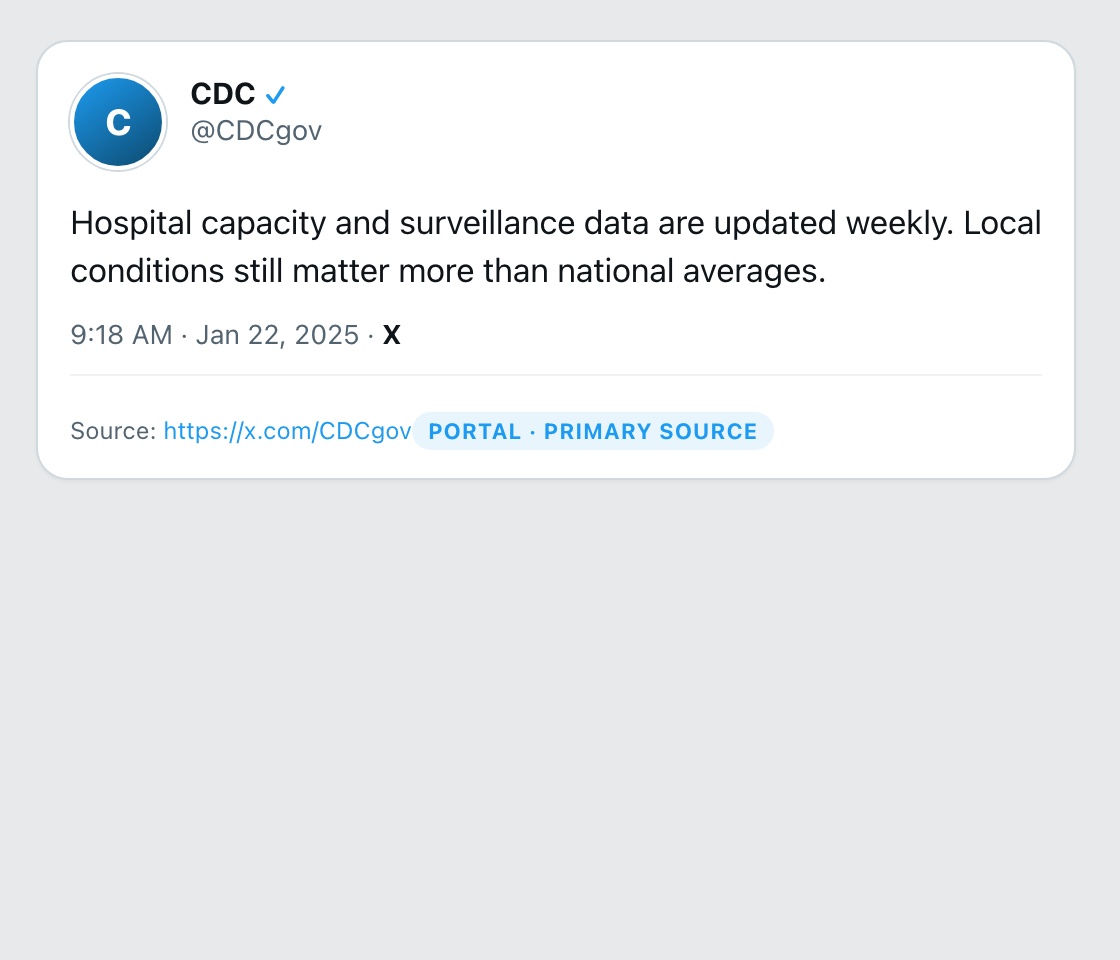
This tug-of-war highlights a critical aspect of rulemaking: it is often conducted in a vacuum where the public has limited visibility. The deliberations are technical, laden with jargon, and often require a deep understanding of the underlying issues at play. Critics from both sides of the political spectrum often overlook this complexity, opting instead for sound bites that fit their narratives.
Left and Right: A Tale of Excess
In the current political climate, both the left and the right exhibit tendencies that undermine the integrity of this essential process. Progressives, in their zeal to advocate for social and environmental justice, sometimes advocate for sweeping regulatory changes without fully appreciating the potential economic ramifications. While their intentions may be noble, they risk alienating moderates who may otherwise support incremental reforms.
On the flip side, conservatives often champion deregulation as a panacea for economic growth. This approach can lead to a reckless disregard for necessary protections, particularly in areas such as workplace safety and environmental conservation. The mantra of “cutting red tape” can devolve into a dangerous precedent if it prioritizes profit over public welfare.
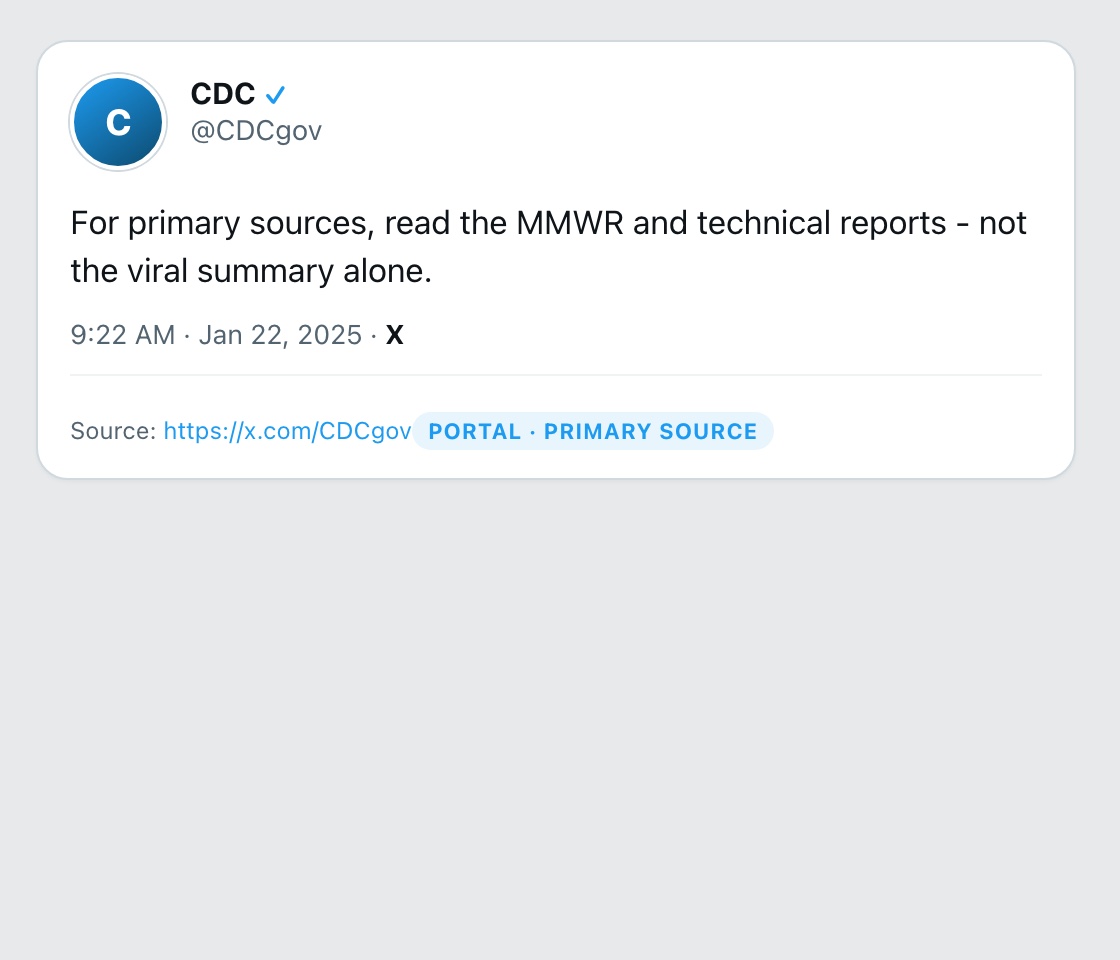
“The real work of governance is occurring in the quieter halls of regulatory agencies.”
Both extremes of the political spectrum fail to recognize that effective rulemaking is not about winning ideological battles but rather about finding balanced solutions that serve the public interest. The complexity of issues necessitates a nuanced approach that often gets lost in the political fracas.
Public Participation: An Overlooked Component
One of the most significant aspects of the rulemaking process is the opportunity for public comment. Citizens, stakeholders, and advocacy groups can weigh in on proposed rules, providing valuable insights that can shape the final outcome. Unfortunately, many individuals remain unaware of this critical opportunity, leading to a lack of diverse perspectives in the rulemaking process.
Moreover, the sheer volume of proposed regulations can overwhelm the average citizen. When agencies release dozens of proposed rules simultaneously, it becomes nearly impossible for the public to engage meaningfully with each one. This disconnect can exacerbate feelings of disenfranchisement and mistrust toward government entities.
The Way Forward
To restore faith in the rulemaking process, both sides of the political aisle must commit to fostering a more transparent and inclusive environment. This means not only providing accessible information about proposed rules but also engaging in constructive dialogue with constituents and stakeholders.
Additionally, it is imperative that lawmakers recognize the importance of the agencies tasked with implementing policies. While oversight is necessary, excessive micromanagement can stifle innovation and hinder the development of effective regulations. A collaborative approach that respects the expertise of agency professionals while ensuring accountability could lead to better outcomes for all.
In a time when political discourse is often characterized by divisiveness and hyperbole, the quiet work of rulemaking remains a vital function of our democracy. By acknowledging its significance and advocating for thoughtful engagement, we can ensure that this process serves the public good rather than becoming a battleground for partisan interests.
✦ ✦ ✦