From the file. Written for the paper dated February 2019. Opened in the public stacks July 14, 2026.
As the doors of the local public lab swung open for its much-anticipated open house, community members flocked to witness firsthand the innovative research and experimentation taking place within its walls. But in a time when identity politics often overshadow evidence-based discourse, the event served as a stark reminder that science should remain a realm of inquiry, not division.
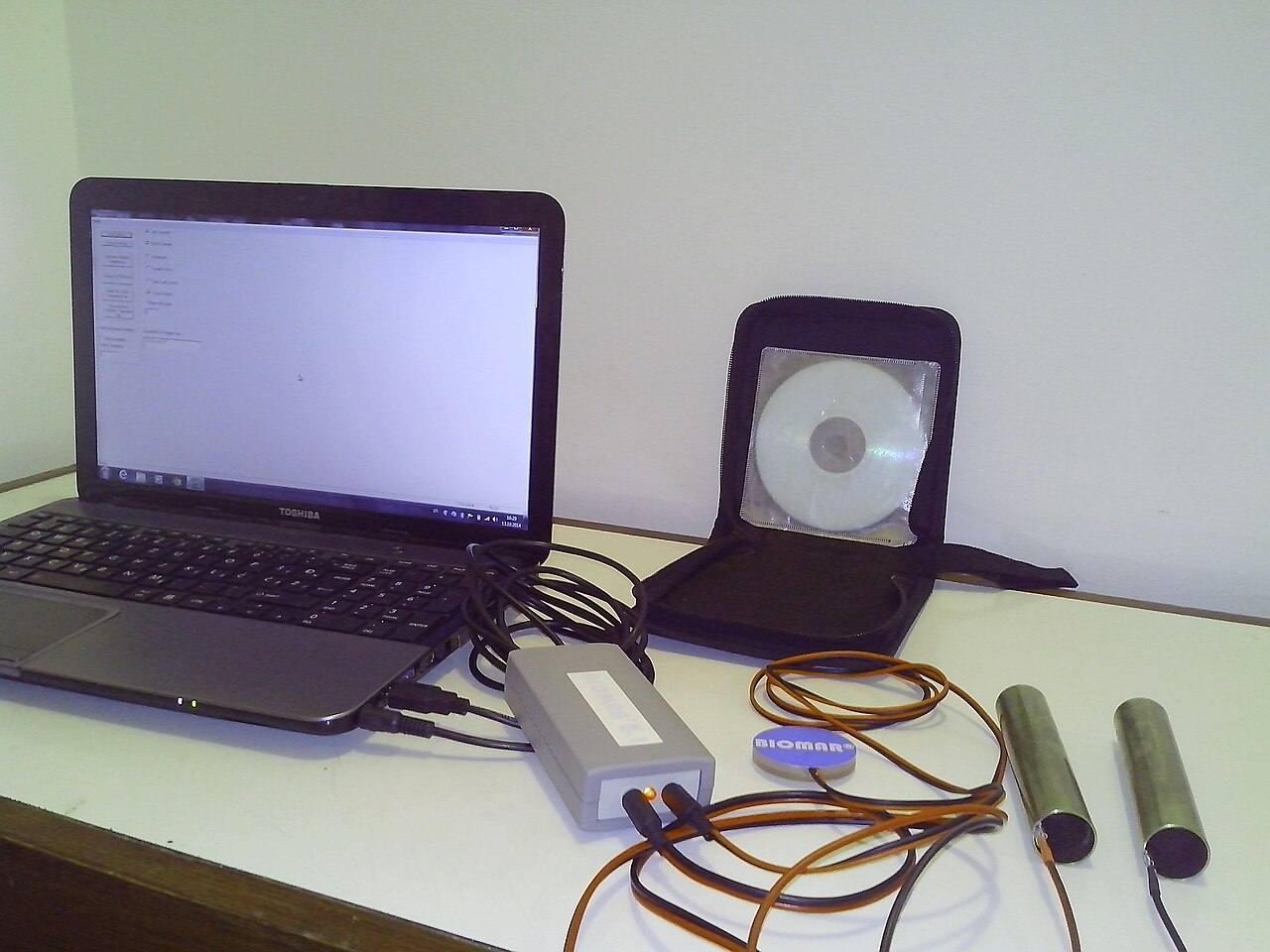
Bridging the Gap Between Community and Science
On a chilly February afternoon, the public lab became a hub of activity as scientists, researchers, and eager citizens mingled in an environment that encouraged curiosity and collaboration. The open house showcased a variety of projects aimed at addressing pressing local issues, from environmental monitoring to public health initiatives. However, as attendees engaged with the exhibits, it became clear that the spirit of inquiry was sometimes clouded by the polarization of current political debates.

Among the various displays, one stood out: a collaborative effort between researchers and local farmers to develop sustainable agriculture practices. This project not only demonstrated the power of scientific research but also highlighted the importance of community involvement. Yet, as discussions unfolded, it was evident that participants often viewed the research through the lens of their own identities - be it political, social, or cultural.
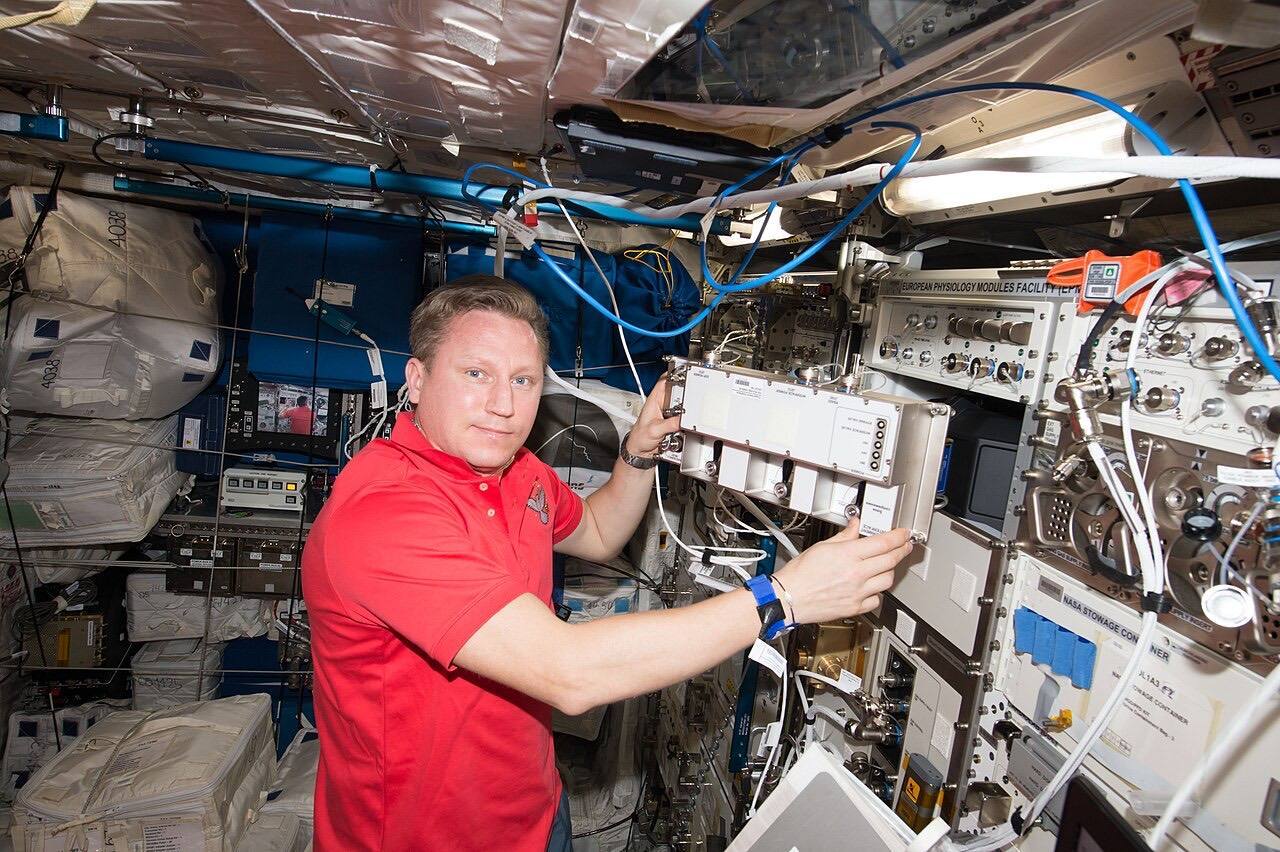
“Science should be a unifying force, not a battleground for ideological warfare.”
Evidence vs. Identity: A Tension in Modern Discourse
The tension between evidence and identity was palpable throughout the open house. While many attendees engaged with the scientific material presented, others seemed more focused on aligning the research with their personal beliefs. For example, a presentation on climate change drew both support and skepticism, with some individuals embracing the findings while others dismissed them based on preconceived notions rather than the data presented.

This phenomenon is not unique to the public lab; it reflects a broader trend in contemporary society where individuals often prioritize their identity over empirical evidence. This tendency can inhibit progress, particularly in fields like science that thrive on rigorous inquiry and open debate. As one scientist remarked, “It is crucial that we remember to separate our identities from the evidence.”
The Role of Public Labs in Fostering Dialogue
Public laboratories like the one in our community can play a pivotal role in fostering dialogue and bridging the divide between differing perspectives. By creating spaces where individuals from various backgrounds can come together to explore scientific concepts, these institutions can help cultivate a culture of understanding and respect for evidence-based research.

The open house also featured interactive workshops, designed to engage attendees in hands-on activities that illustrated key scientific principles. These workshops not only provided valuable learning experiences but also served as a reminder that science is accessible to everyone, regardless of their background or beliefs. By encouraging curiosity and critical thinking, public labs can empower individuals to engage with scientific material on a deeper level.
Moving Beyond Polarization
As the open house drew to a close, it became clear that the path toward a more inclusive and evidence-based discourse is fraught with challenges. Both ends of the political spectrum have been known to dismiss scientific findings when they clash with their ideologies. The left often champions positions that align with social justice and environmentalism, while the right tends to prioritize economic growth and individualism, sometimes at the expense of scientific consensus.
However, it is essential for both sides to recognize that science is not a tool for political gain but a pursuit of truth. The public lab's mission to foster a culture of inquiry must transcend partisan divides, encouraging individuals to come together in their shared pursuit of knowledge. As one attendee aptly stated, “We need to focus on what unites us - our desire for understanding.”
Conclusion: A Call to Action
As we reflect on the public lab open house, it is clear that while identity politics may dominate the current landscape, there is a pressing need to prioritize evidence above all else. The scientific community must continue to advocate for open discourse, encouraging individuals to challenge their own beliefs and engage with the evidence presented before them.
Public labs have the potential to serve as catalysts for change, fostering environments where curiosity and inquiry reign supreme. As we move forward, let us strive to create a society where science is celebrated as a unifying force, one that invites all voices while remaining grounded in the pursuit of truth.
✦ ✦ ✦