From the file. Written for the paper dated February 2019. Opened in the public stacks July 14, 2026.
The recent national security leak has ignited a firestorm of debate, raising critical questions about transparency, accountability, and the balance between security and civil liberties.
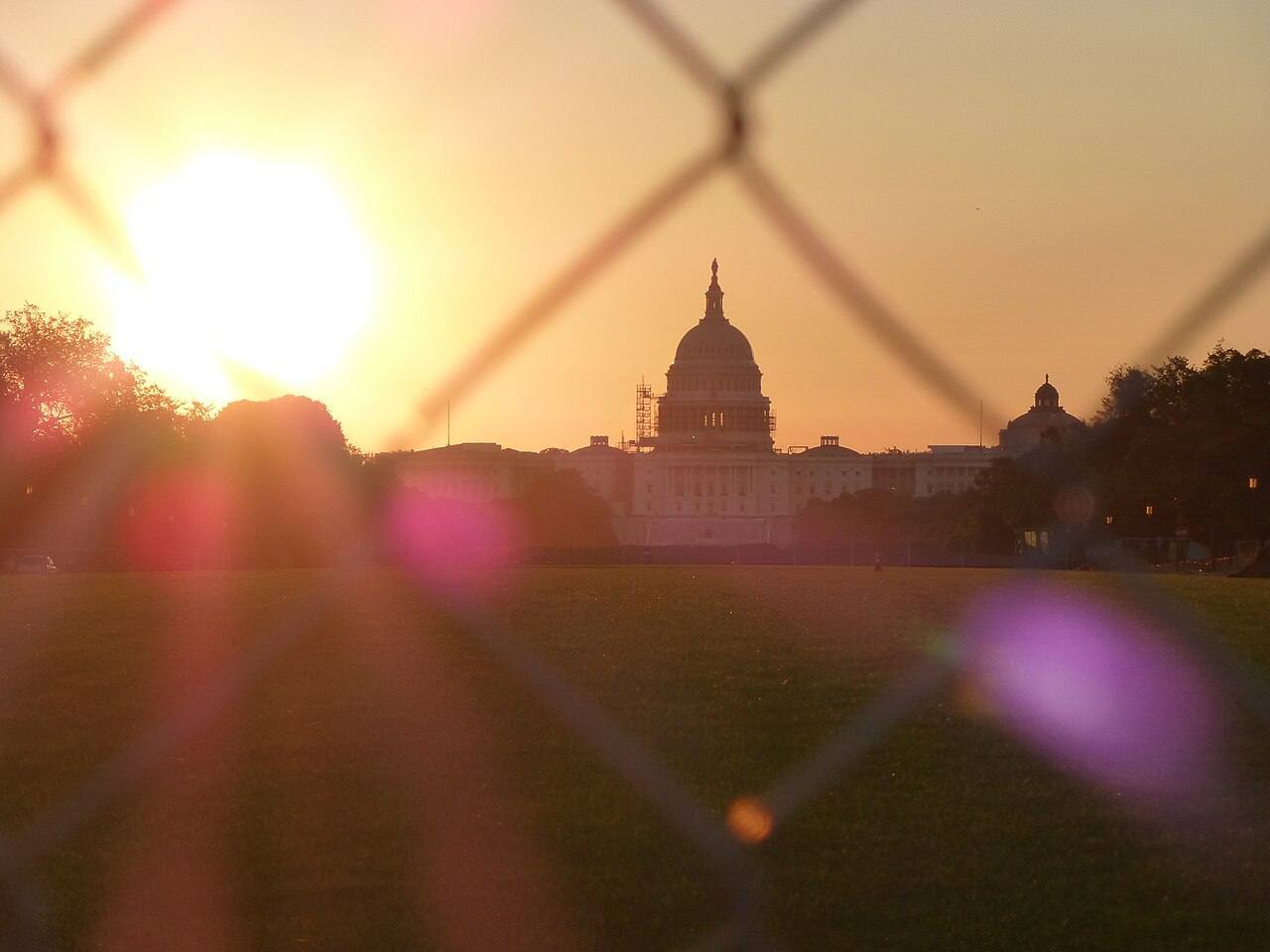
The Context of the Leak
In February 2019, the nation was rocked by the disclosure of sensitive information regarding military operations and intelligence assessments. This breach, attributed to an unknown source, highlights ongoing vulnerabilities within the systems that are supposed to protect our national security. As the dust settles, it is essential to sift through the evidence presented before jumping to conclusions about the identity of the leaker.
"We must prioritize the integrity of our institutions over the sensationalism that often follows such leaks."
Political factions are quick to seize upon these events to further their agendas. On one side, progressive voices argue that the leak is a necessary act of whistleblowing, shedding light on government overreach and misconduct. They cite the need for transparency in an era where trust in institutions is dwindling. However, this narrative often glosses over the potential consequences of exposing sensitive information, which can jeopardize lives and national security.
Conversely, conservative commentators and officials decry the leak as an act of treason, calling for severe repercussions against whoever is responsible. Their rhetoric often veers into a territory of hyperbole, accusing opponents of undermining national security for political gain. This reaction neglects the complexities of the situation and the potential for legitimate dissent within the ranks of government employees.
Evidence Over Identity
While many are clamoring for the identity of the leaker, it is paramount to focus on the evidence presented. What exactly was leaked, and what does it reveal about our national security apparatus? The initial reports indicate that the information compromised includes operational details that could affect ongoing missions and intelligence sources.
This raises a crucial point: is the act of leaking information justified when it serves the greater good of informing the public about potential government wrongdoing? Or does the act itself pose an unacceptable risk? Advocates for transparency argue that the public has a right to know how their government operates, particularly in matters of military and intelligence activities that can have far-reaching implications.
"The real question is not who leaked the information, but what the information reveals about our national security practices."
Yet, we must tread carefully. The motives behind the leak are as important as the content. If the leaker's intent was to expose genuine misconduct, they may be viewed as a whistleblower deserving of protection. However, if the leak was a politically motivated act aimed at damaging the credibility of the administration, we must question the ethics of such actions.
Excesses on Both Sides
As the debate unfolds, it is clear that both the left and the right are guilty of excesses that cloud the discussion. The left tends to romanticize the leaker as a martyr for transparency, while the right adopts a draconian stance that seeks to silence dissenters and punish whistleblowers harshly. This polarized environment stifles meaningful discourse, as both sides become entrenched in their positions rather than engaging in constructive dialogue.
For instance, the left's embrace of the leak may inadvertently normalize a culture of leaking as a means of protest rather than upholding established channels for whistleblowing. On the other hand, the right's reaction to punish the leaker could deter future whistleblowers from coming forward, even in cases where their disclosures could serve the public interest. This creates a dangerous precedent where legitimate concerns are suppressed under the weight of fear and retribution.
Conclusion: A Call for Nuanced Understanding
In the aftermath of this national security leak, it is vital that we engage in a reasoned examination of the issues at hand. As citizens, we must demand accountability from our leaders while also safeguarding the rights of those who seek to expose wrongdoing within the system. The path forward requires a delicate balance between ensuring national security and upholding democratic values of transparency and accountability.
✦ ✦ ✦