From the file. Written for the paper dated February 2019. Opened in the public stacks July 14, 2026.
As debates over healthcare continue to swirl in the political arena, a closer examination of insurance coverage reveals a complex landscape influenced by both left and right excesses.

Understanding the Insurance Coverage Maze
The conversation around health insurance in America has become increasingly polarized, with both sides of the political spectrum presenting their interpretations of what constitutes adequate coverage. On one hand, progressive advocates push for universal healthcare, arguing that access to medical care should be a fundamental right. On the other hand, conservative factions champion free-market solutions, emphasizing personal responsibility and the role of private insurers.

While these broad strokes provide a glimpse into the ideological battle, they often obscure the intricacies of insurance coverage itself. For many consumers, the details of their policies - deductibles, co-pays, and covered services - are far more pressing than the political rhetoric surrounding them.

Evidence Before Identity
In an era where personal identity politics often dominate discussions, it is crucial to focus on evidence-based approaches to health insurance. The term "coverage" can mean different things to different people, yet the underlying principles of good insurance remain constant: affordability, accessibility, and comprehensiveness.
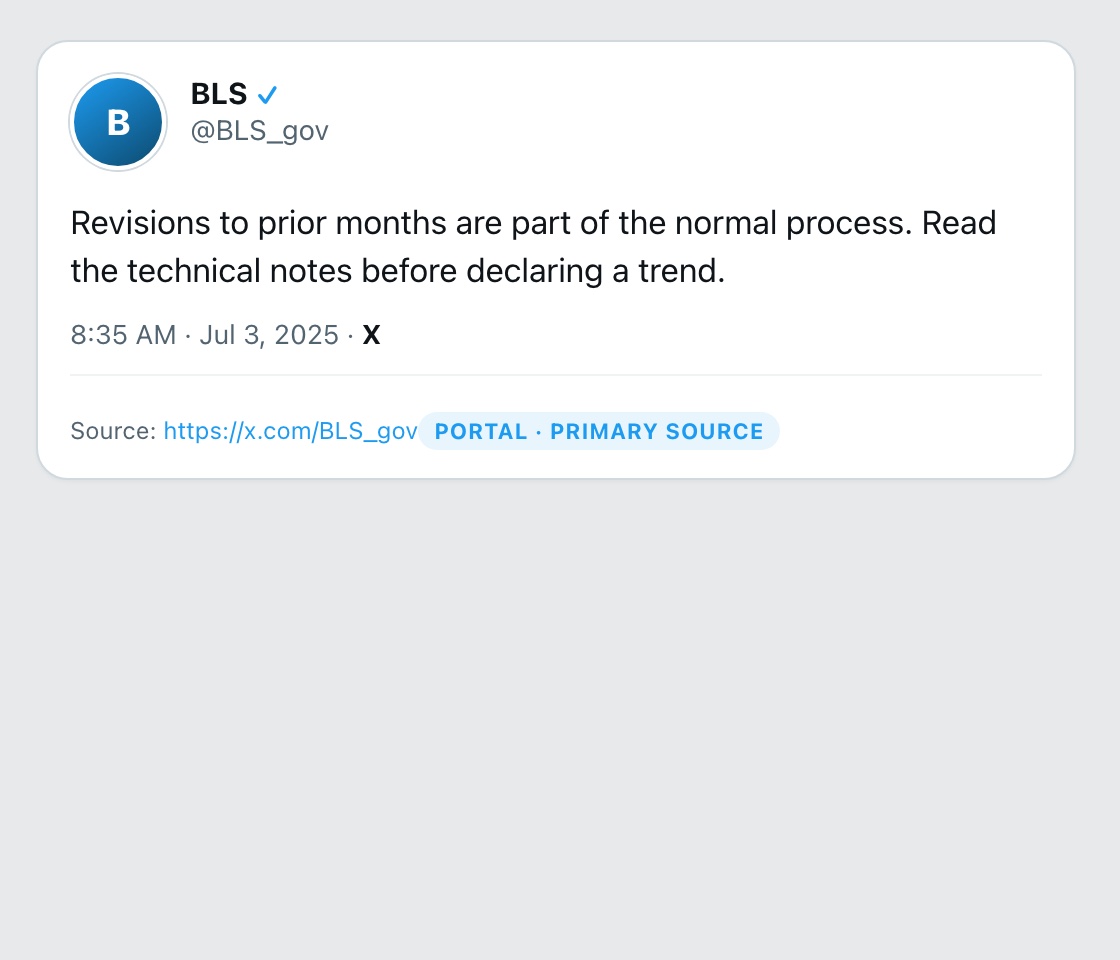
"When it comes to health insurance, the specifics matter more than the labels."
For instance, a policy may be branded as "affordable" but could carry high out-of-pocket costs that deter individuals from seeking necessary care. Similarly, a plan may be marketed as "comprehensive," yet it may exclude essential services such as mental health care or prescription drugs that many rely on. These realities often get lost amid sweeping ideological claims.
The Left’s Push for Universal Coverage
Progressives argue that universal coverage is essential for a healthy society. They cite studies indicating that countries with universal healthcare systems tend to have better health outcomes and lower costs per capita. However, the push for such a system can sometimes disregard the complexities of implementation, including the potential for increased taxes and the challenges of transitioning to a government-run model.
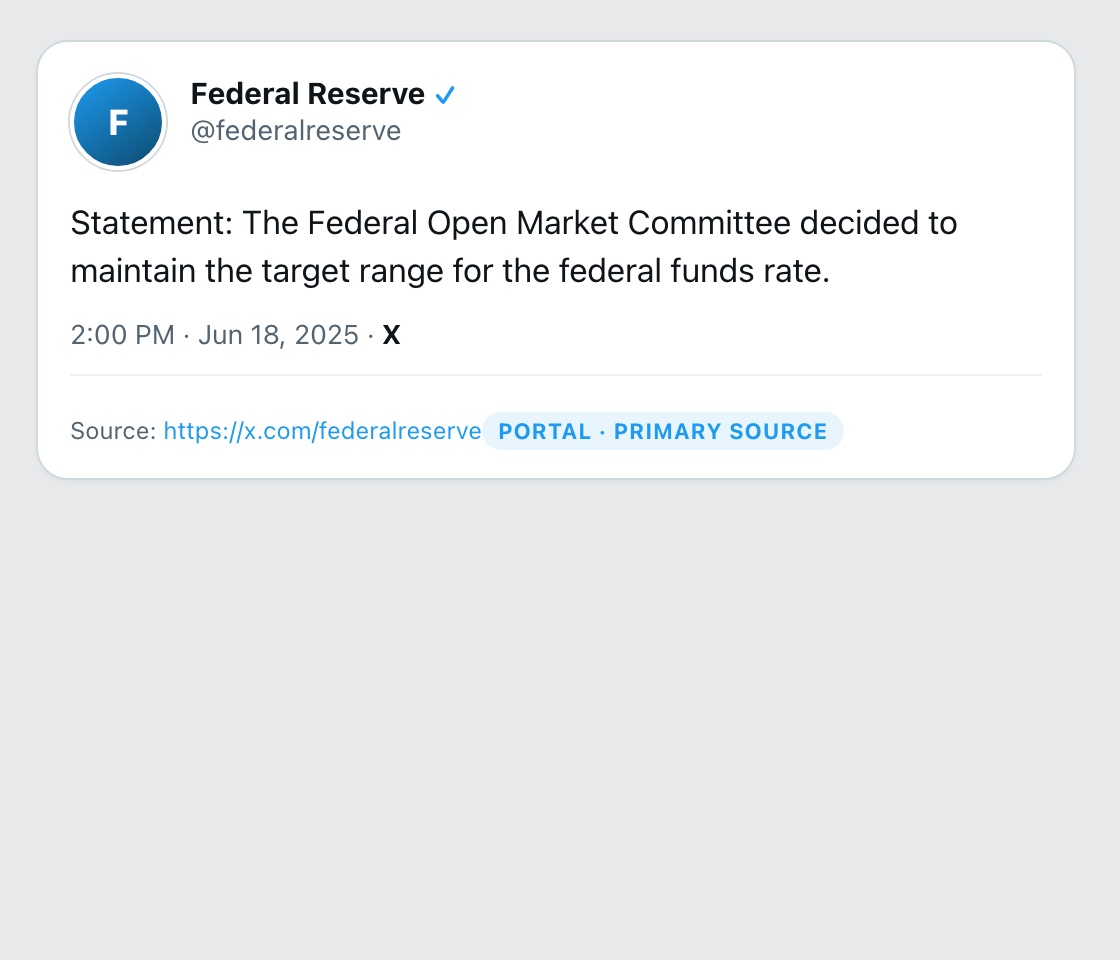
Moreover, not all proposals for universal coverage are created equal. Some advocate for a single-payer system, while others suggest a public option alongside private plans. The debate is often clouded by emotional appeals rather than a clear-eyed assessment of what each option would entail for average Americans.
The Right’s Emphasis on Market Solutions
Conversely, the conservative approach emphasizes market solutions as the path to better healthcare. Proponents argue that competition among insurance providers will lead to lower costs and improved services. Yet, this perspective can overlook the fact that not all markets function effectively, particularly in regions where monopolies or oligopolies exist in the insurance industry.
Furthermore, the notion that individuals can easily navigate the insurance marketplace often ignores the reality for many consumers who may lack the resources or knowledge to make informed choices. As a result, the very people who are supposed to benefit from this system may find themselves at a disadvantage.
A Middle Ground? The Need for Balance
Given the extremes on both sides, finding a middle ground seems vital. Evidence-based policies that prioritize patient outcomes over political ideology could pave the way for more effective healthcare reforms. For example, initiatives that expand access to preventive care, regardless of the insurance model, could lead to healthier populations and lower overall costs.
Additionally, fostering transparency in insurance plans can empower consumers to make better choices. Clear information about what is covered, what is not, and at what cost would enable individuals to navigate the complexities of insurance with greater confidence.
Looking Ahead
The current landscape of health insurance coverage requires thoughtful dialogue and an emphasis on evidence rather than identity politics. As the debate continues to unfold, it is essential to keep the focus on the needs of the patient rather than the political ideologies that often overshadow them.
In summary, while both left and right have their merits and pitfalls, the real challenge lies in prioritizing the well-being of individuals over party lines. Only by centering discussions on the evidence of what works can we hope to achieve a healthcare system that truly serves everyone.
✦ ✦ ✦