From the file. Written for the paper dated January 2019. Opened in the public stacks July 14, 2026.
The recent public lab open house drew a mix of community members, activists, and critics, each eager to engage in discussions about the role of science in everyday life. However, the event also highlighted the growing schisms between public claims about science and the tangible realities that often contradict those assertions.
What Happened at the Open House
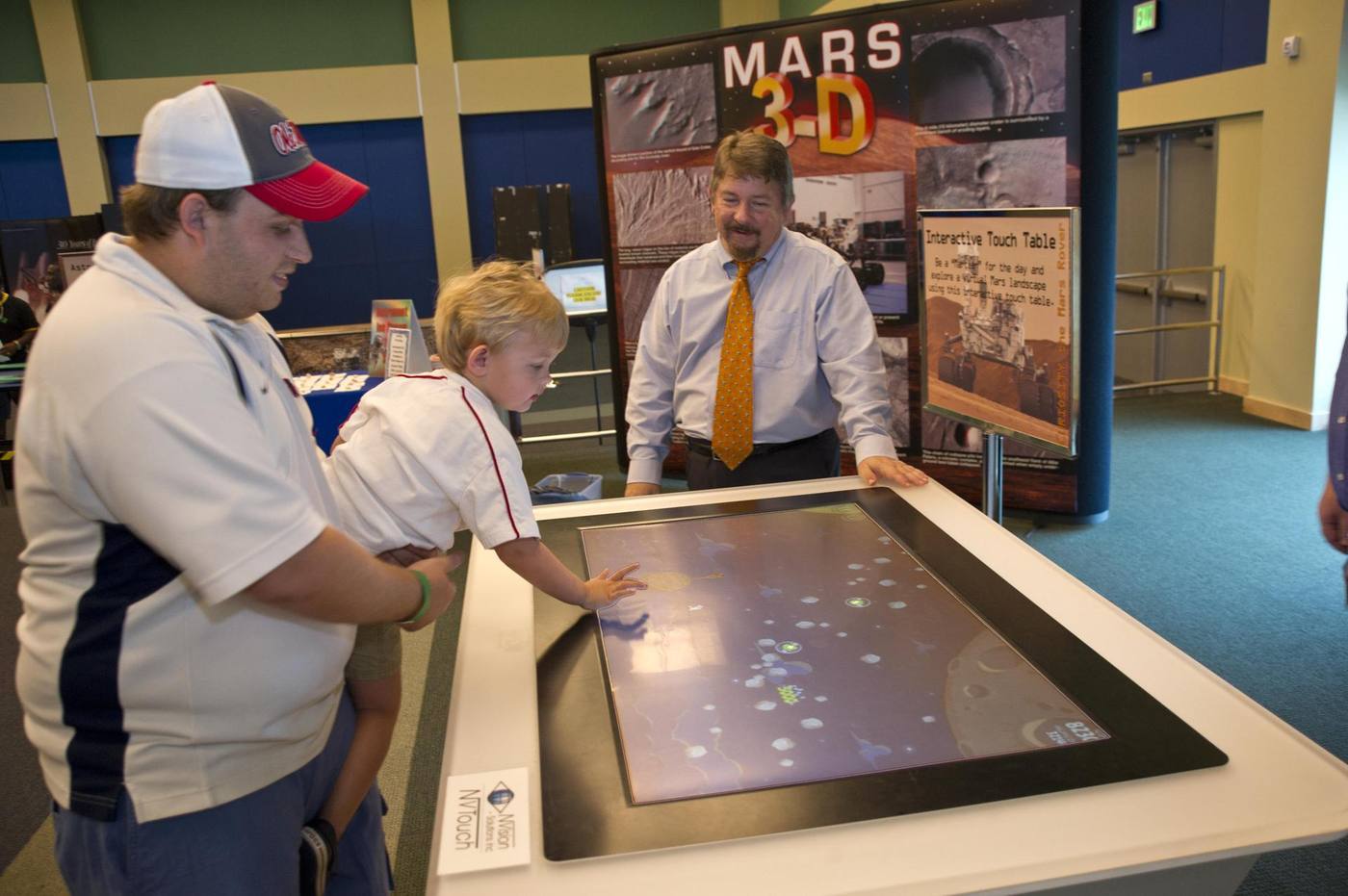
On a brisk Saturday morning, locals gathered at the public lab's facility to learn about ongoing projects and the various ways the lab contributes to the community. Presentations from scientists and volunteers showcased advancements in environmental monitoring, health studies, and community engagement. Attendees had the chance to participate in hands-on demonstrations, exploring topics from air quality testing to soil analysis.
Despite the enthusiasm surrounding the event, a palpable tension simmered beneath the surface. While many speakers touted the lab's commitment to transparency and community involvement, some critics raised questions about the efficacy and accuracy of the lab's research. Concerns were voiced regarding the reliance on citizen science and whether such methods could yield reliable data.
"Community science is essential, but we must ensure that it meets rigorous standards," one local scientist remarked during a panel discussion.
Public Claims vs. Scientific Reality
As the event unfolded, it became increasingly clear that the narrative presented by lab officials did not entirely align with the experiences voiced by community members. Many attendees expressed skepticism over the implications of the lab's findings, particularly when it came to environmental issues affecting their neighborhoods.
One participant, a resident of a nearby industrial area, pointed out discrepancies between the lab's public statements about air quality and their own experiences with pollution. "They say the air is safe, but we can smell the chemicals every day," she said. This sentiment was echoed by others who questioned whether the lab's methodology adequately captured the complexities of their lived experiences.
The Divide Between Perspectives
The open house illustrated the widening chasm between the scientific community and the public. On one side, lab officials emphasized the importance of scientific progress and the collaborative nature of their work. On the other, community members expressed frustration over perceived gaps in knowledge and communication. This divide raises pressing questions about the accessibility of science and its relevance to everyday life.
The Political Context
This conflict mirrors broader political tensions in the country, where science is often weaponized in ideological battles. The left and right both exhibit tendencies to selectively interpret scientific findings to bolster their arguments. Left-leaning advocates may emphasize environmental data that supports stringent regulations, while right-leaning critics may downplay scientific consensus in favor of economic growth narratives. This politicization undermines the credibility of science and alienates those who seek genuine understanding.
At the open house, it was evident that some attendees were influenced by these political narratives. One participant dismissed the lab's findings as biased, stating, "They only tell you what they want you to hear." Such sentiments reflect a growing mistrust in institutions that are supposed to serve the public good. For science to regain its standing, there must be a concerted effort to bridge the gap between scientists and the communities they serve.
Moving Forward
The public lab's open house served as a wake-up call for all involved. It underscored the necessity of fostering genuine dialogue between scientists and the communities they impact. For scientists, this means actively engaging with the public, acknowledging concerns, and addressing criticisms transparently. For community members, it involves seeking out information, participating in scientific discourse, and holding institutions accountable.
As we move into a new year, the challenge remains: How can we cultivate a science culture that values both rigorous inquiry and community engagement? The answer may lie in fostering relationships built on trust, mutual respect, and a shared commitment to the truth.
Final Thoughts
As the dust settles from the open house, it is clear that the path forward will not be easy. Both the scientific community and the public must work together to create a more inclusive and transparent scientific culture. The future of science as a public good depends on it.
✦ ✦ ✦