From the file. Written for the paper dated January 2019. Opened in the public stacks July 14, 2026.
In recent weeks, public clinics across the nation have become a focal point for heated debates surrounding healthcare accessibility, cost, and quality. As advocates clamor for more funding and resources, a closer examination reveals a disparity between public claims and the actual records of these facilities.
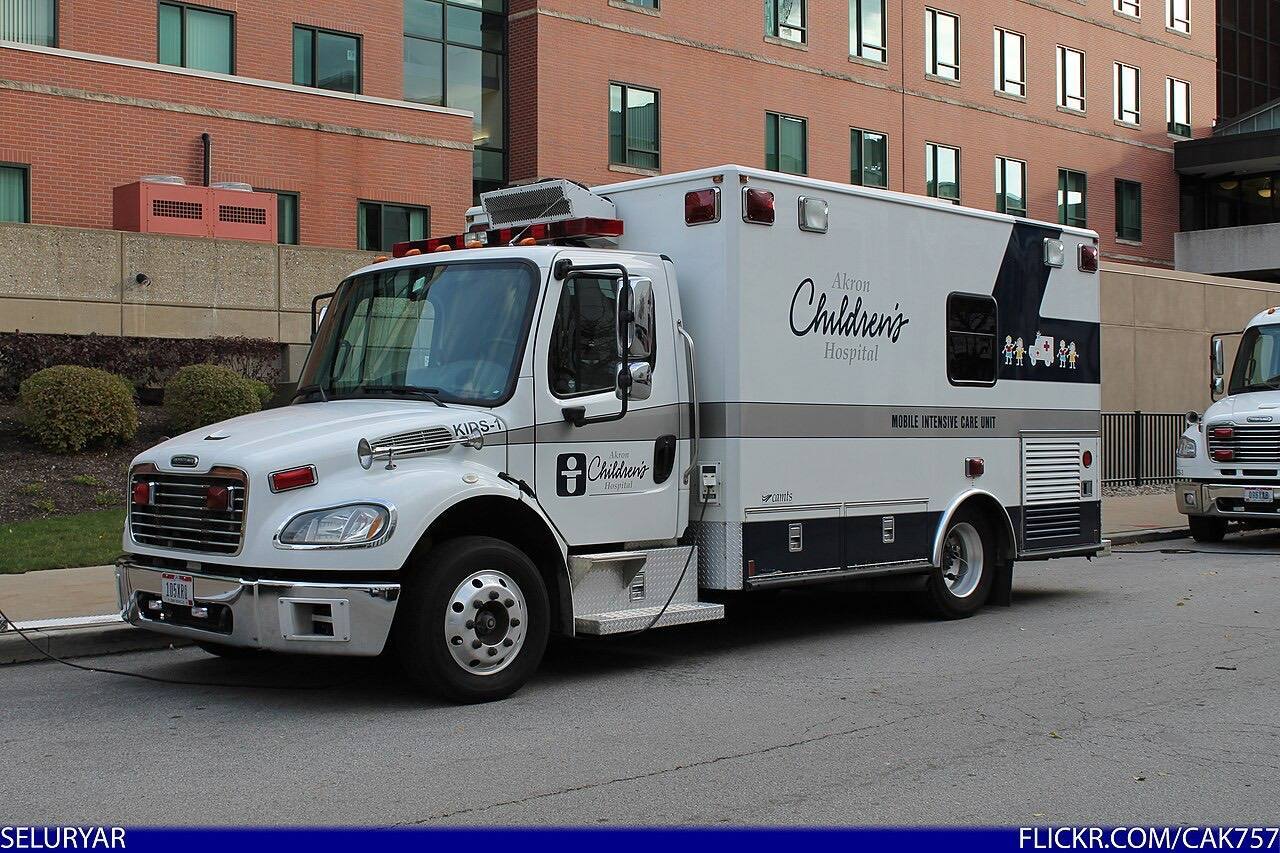
The State of Public Clinics
Public clinics are often touted as the backbone of community health, offering essential services to low-income and uninsured individuals. In many urban areas, these clinics serve as the first line of defense against a myriad of health issues, from chronic diseases to preventive care. However, the reality of their operations often tells a different story.

While politicians from both sides of the aisle herald the importance of these clinics, their funding has been inconsistent at best. The left emphasizes the need for comprehensive healthcare reform, often blaming the right for underfunding public services. Conversely, the right argues that excessive regulation and bureaucracy hinder the efficacy of these clinics. As a result, the public narrative frequently glosses over the complexities that plague these institutions.

Claims vs. Reality
Proponents of public clinics claim that they significantly reduce healthcare costs for the public and improve health outcomes. They point to statistics showing lower rates of emergency room visits among patients who regularly utilize clinic services. However, recent reports suggest that many clinics struggle to maintain adequate staffing and resources, leading to long wait times and limited services.

“The reality is that while public clinics are essential, they are often under-resourced and overburdened.”
In interviews with patients, many expressed frustration with the limited availability of specialists and the difficulty in obtaining timely appointments. One patient noted, "It feels like a lottery trying to get in to see a doctor. I’ve had to wait weeks for a simple check-up." This sentiment is echoed by numerous individuals who rely on these clinics, highlighting a gap between the idealized vision of public healthcare and the everyday experiences of those who depend on it.
Political Posturing
The political landscape surrounding public clinics is fraught with hypocrisy. On one hand, left-leaning politicians are quick to advocate for increased funding and expanded services, often using emotional appeals and personal stories to rally support. Yet when it comes to actual policy implementation, the results can be lackluster, leaving many clinics to fend for themselves.

On the other hand, conservative lawmakers frequently criticize the public healthcare system, emphasizing private sector solutions while overlooking the vital role that public clinics play in underserved communities. This rhetoric often leads to a further erosion of trust in these institutions, as patients feel caught in the crossfire of political battles.
Why It Matters
The challenges faced by public clinics are not merely bureaucratic; they have real consequences for the health and well-being of countless individuals. With rising healthcare costs and an ever-growing uninsured population, the need for accessible and effective public clinics has never been more critical.
As the debate continues, it is essential for both sides of the political spectrum to acknowledge the complexities of public healthcare. While the left must confront the realities of funding and resource allocation, the right should recognize the importance of these clinics in providing care for the most vulnerable populations.
A Path Forward
Moving forward, it is imperative that both sides of the aisle come together to address the deficiencies plaguing public clinics. This could mean exploring innovative funding solutions, streamlining administrative processes, and engaging in community outreach to better understand the needs of patients.
Moreover, fostering a collaborative environment between public and private healthcare sectors may hold the key to improving overall health outcomes. By leveraging the strengths of both systems, a more comprehensive approach to healthcare could be developed, ultimately benefiting the public at large.
Conclusion
In conclusion, public clinics remain a vital resource in our healthcare system, yet they face significant challenges that cannot be ignored. Both sides of the political spectrum must engage in a constructive dialogue that prioritizes the needs of patients over partisan interests. Only then can we hope to bridge the gap between public claims and the realities of healthcare access in America.
✦ ✦ ✦