From the file. Written for the paper dated January 2019. Opened in the public stacks July 14, 2026.
In the current political landscape, a troubling trend has emerged: the prioritization of process over performance. This fixation has become a hallmark of both major parties, leading to an environment where public claims often overshadow actual accomplishments.
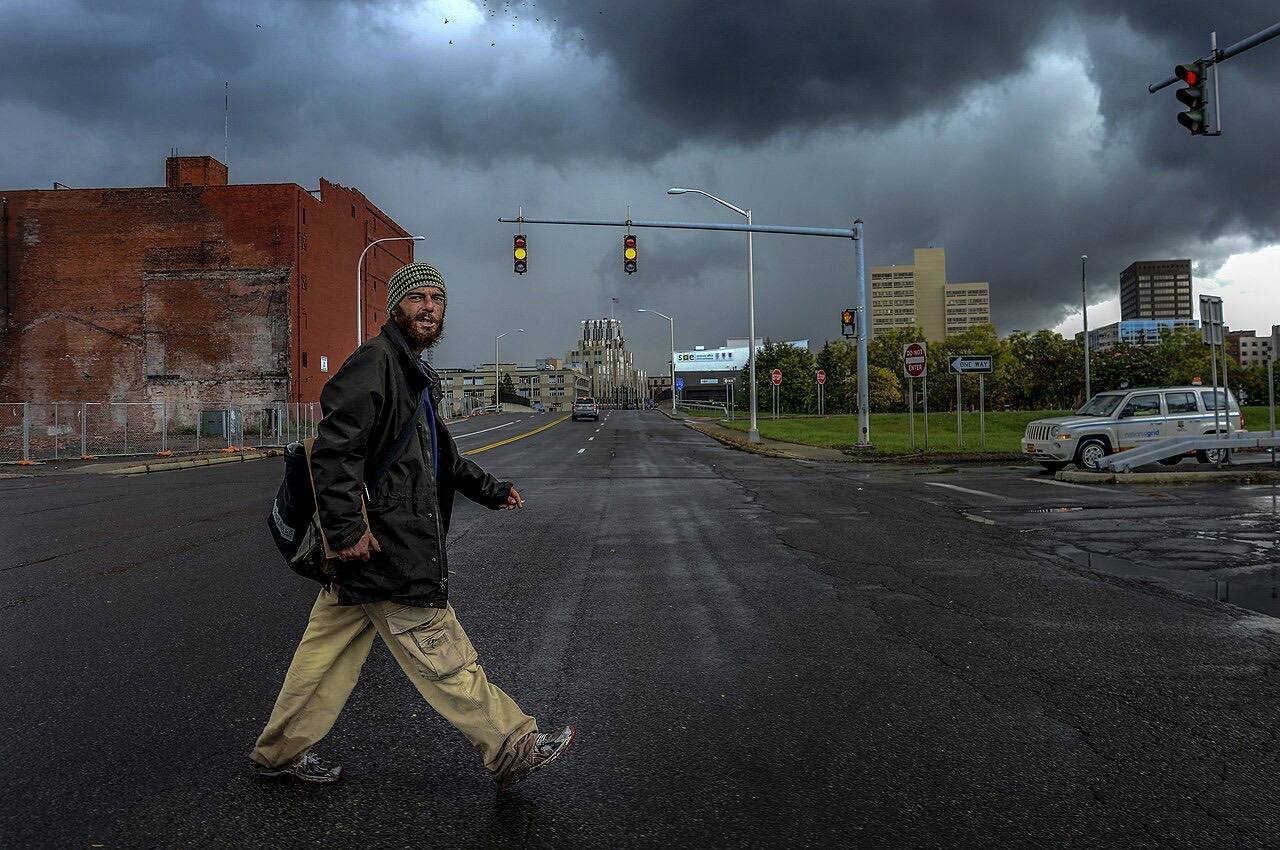
The Illusion of Progress
The year has barely begun, yet the echoes of promises made during the past election cycle still resonate. Politicians on both sides have been quick to tout their achievements, but a closer examination reveals a glaring discrepancy between rhetoric and reality. The left champions sweeping reforms and progressive ideals, while the right emphasizes economic growth and national security. However, both parties seem to be engaged in a game of smoke and mirrors, where flashy press releases and grandstanding take precedence over tangible results.

"Public claims often overshadow actual accomplishments."
Take, for instance, the ongoing debate regarding healthcare reform. Democrats have rallied around the notion of universal coverage, promising a radical shift to expand access. Yet, the implementation of such policies remains mired in procedural hurdles and political maneuvering. Meanwhile, Republicans tout the repeal of the Affordable Care Act as a victory, but in practice, the consequences have often left millions without adequate coverage. Both sides seem to be more concerned with the optics of their positions than with the real-world implications for American citizens.

Political Theater and Its Consequences
This obsession with process is not limited to healthcare. The recent tax reform legislation serves as another prime example. Republicans celebrated a tax cut as a victory for the middle class, yet many Americans are still waiting to see the promised benefits materialize. Instead of focusing on the actual impact of the legislation, the narrative has devolved into a partisan spectacle, where each side competes to score points rather than address the needs of the populace.

This pattern of prioritizing process over performance is not merely an annoyance; it has serious ramifications for governance. When political leaders are more invested in maintaining their narratives than in delivering results, the public loses faith in the system. Distrust in government has reached alarming levels, and rightly so. Citizens see the constant back-and-forth, the never-ending investigations, and the inability to reach bipartisan agreements, and they start to question whether their leaders are truly working for them.
Bridging the Divide
One might argue that the current environment is a symptom of a deeper polarization within our society. The left and right are so entrenched in their respective ideologies that they often fail to recognize common ground. This has resulted in a legislative gridlock that perpetuates the cycle of process over performance. Rather than engaging in constructive dialogue, both sides have resorted to demonizing each other, further entrenching their bases and alienating moderates.
"Distrust in government has reached alarming levels."
Finding a way to bridge this divide will require a fundamental shift in how both parties approach governance. Emphasizing collaboration over confrontation is essential. Leaders must be willing to set aside their partisan agendas and focus on solutions that benefit the American people. This means moving beyond the superficiality of process and engaging in the hard work of crafting policies that deliver real results.
A Call for Accountability
Ultimately, the call for accountability must come from both the electorate and those in power. Voters need to demand more than just rhetoric; they must insist on performance that meets the challenges facing our nation. This includes holding representatives accountable for their actions and outcomes rather than merely their promises. Regular citizens, grassroots organizations, and even the media should play a role in scrutinizing the performance of elected officials, pushing them to deliver on their commitments.
The political theater may be entertaining, but it is time for all parties involved to recognize that the American public deserves more than just process. It is performance that matters. Only by holding our leaders accountable to this standard can we hope to restore faith in our institutions and ensure that government serves the people, not the other way around.
✦ ✦ ✦