From the file. Written for the paper dated December 2018. Opened in the public stacks July 14, 2026.
The recent congressional oversight hearing revealed not just the actions and missteps of individuals but also the troubling tendency of institutions to prioritize self-preservation over accountability.
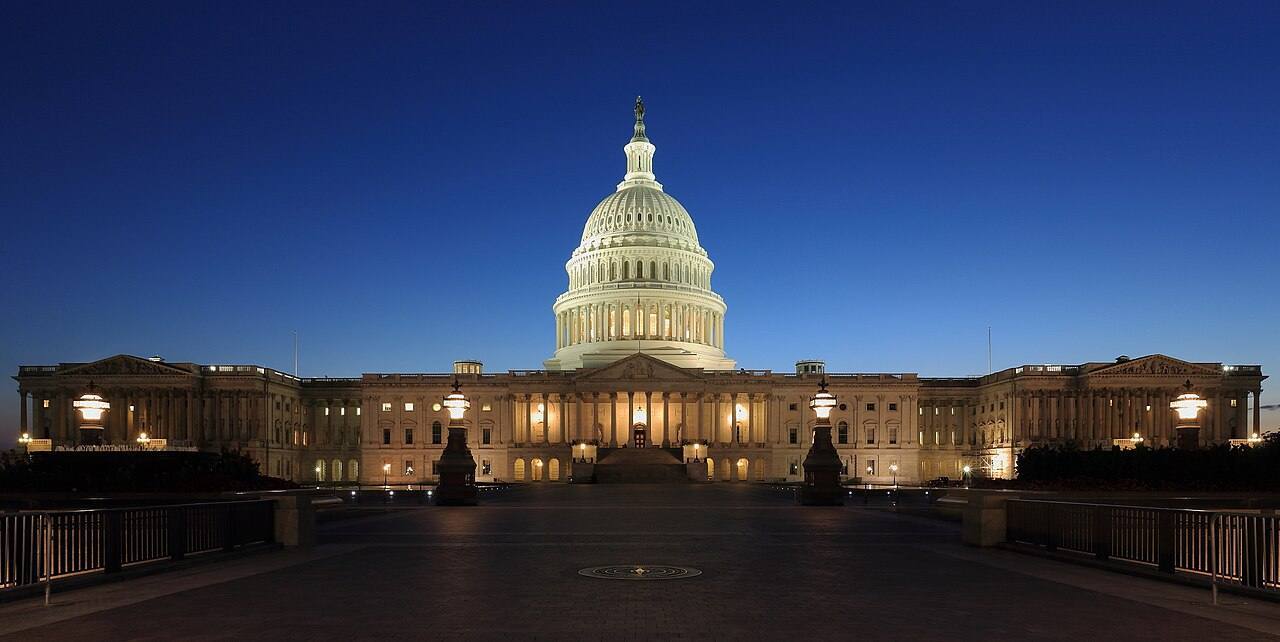
Institutional Integrity at Stake
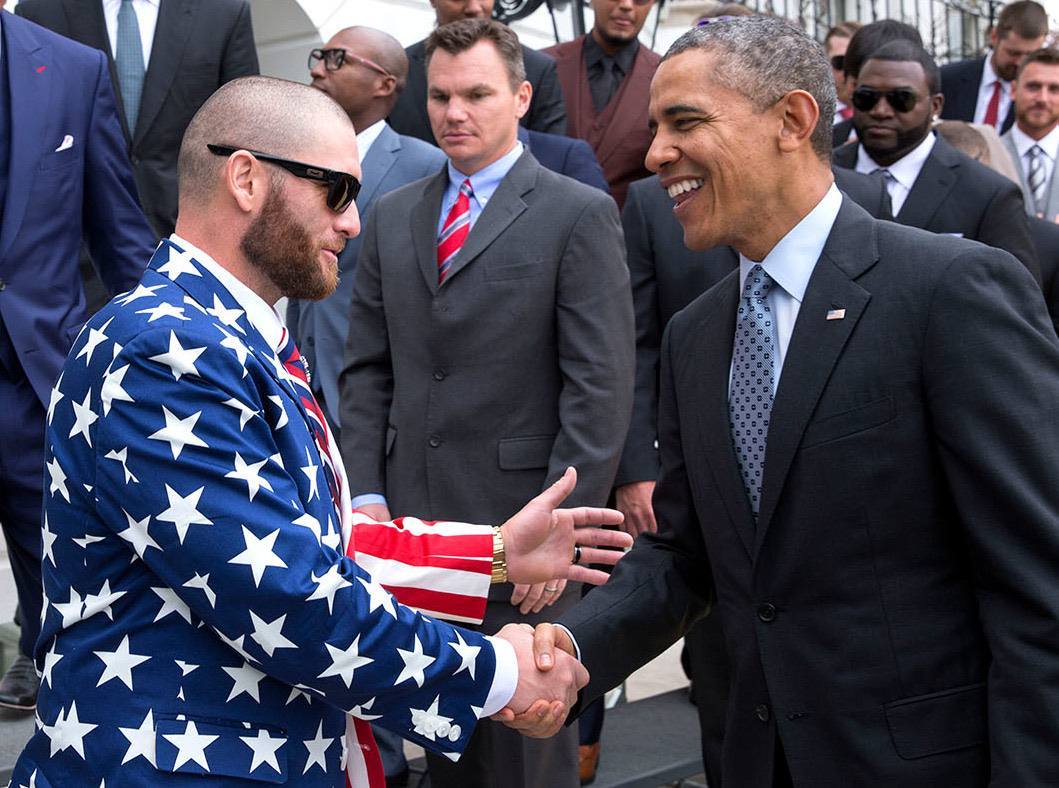
As the nation tuned into the latest congressional oversight hearing, the air was thick with anticipation. Would this be the moment when accountability finally reigned supreme? Or would it merely serve as a stage for political posturing, with lawmakers donning their team jerseys - ready to defend their party lines while evading the more pressing issues at hand?
During the proceedings, representatives from various institutions were called to testify about their actions and decisions in recent controversial events. Yet, as the questioning began, it became evident that many were more focused on protecting their organizations than on providing transparency to the American public. This instinct to shield oneself and one's institution from scrutiny can be seen from both sides of the aisle, highlighting a worrying trend that transcends party affiliation.
“When institutions prioritize self-preservation over accountability, the very fabric of democracy is at risk.”
On one hand, we have the left, which often champions the values of oversight and accountability. They have been vocal advocates for reforms in various sectors, calling for transparency and reforms in the face of bureaucratic malfeasance. However, when pressed on their own affiliations and the missteps of allies, the response can often be defensive. The tendency to circle the wagons around their own, rather than interrogate the failings of their comrades, reveals a duality that undermines their calls for accountability.
Meanwhile, the right has been equally guilty of this phenomenon. Their rhetoric often champions the individual and critiques systemic failings, yet when faced with the failures of their own institutions, there is a stark unwillingness to admit fault. Instead, the narrative often shifts to blaming external factors or political opponents, rather than addressing the shortcomings within their own ranks. This avoidance of responsibility serves only to perpetuate a cycle of distrust among the populace.
The Consequences of Institutional Shielding
As these hearings unfold, the public is left wondering: what happens when institutions care more about self-preservation than the truth? The consequences can be dire. A lack of accountability fosters an environment where misconduct can flourish, unchallenged by any meaningful oversight or reform. When lawmakers prioritize party loyalty over the greater good, the citizens they represent suffer the consequences.

In this environment, oversight hearings risk becoming mere theater. Witnesses often deflect responsibility, offering rehearsed responses that sidestep the heart of the issues. Lawmakers, instead of pushing for clarity, sometimes seem more interested in grandstanding than in obtaining the truth. Both sides of the aisle must recognize that the credibility of government institutions hinges on their willingness to confront uncomfortable truths, not just those that align with their political agendas.
It is essential for both sides to realize that accountability is not a partisan issue. It is a cornerstone of democracy that should be upheld by every elected representative. The American public deserves leaders who are willing to face the truth, no matter how uncomfortable, and who prioritize the health of our institutions over their own political survival.
Moving Beyond Partisan Loyalties
As we reflect on the events of the oversight hearings, it is crucial to ask ourselves how we can foster a culture of accountability that transcends partisan lines. It is not simply a matter of pointing fingers at the other side but rather a collective responsibility to demand integrity from our institutions.
We must call for reform that emphasizes transparency and accountability, ensuring that those in power are held to the highest standards. This is not only about the individuals who testify but also about the structures that allow misconduct to go unchecked. We need to advocate for mechanisms that encourage whistleblowers, support independent investigations, and prioritize the truth, rather than the protection of established powers.
✦ ✦ ✦