From the file. Written for the paper dated December 2018. Opened in the public stacks July 14, 2026.
As the political landscape in the United States continues to polarize, the concept of federalism is becoming both a battleground and a refuge. The clash of ideologies is not merely playing out in Congress or on the streets, but within the very institutions that are designed to uphold the framework of governance.
The Institutional Response
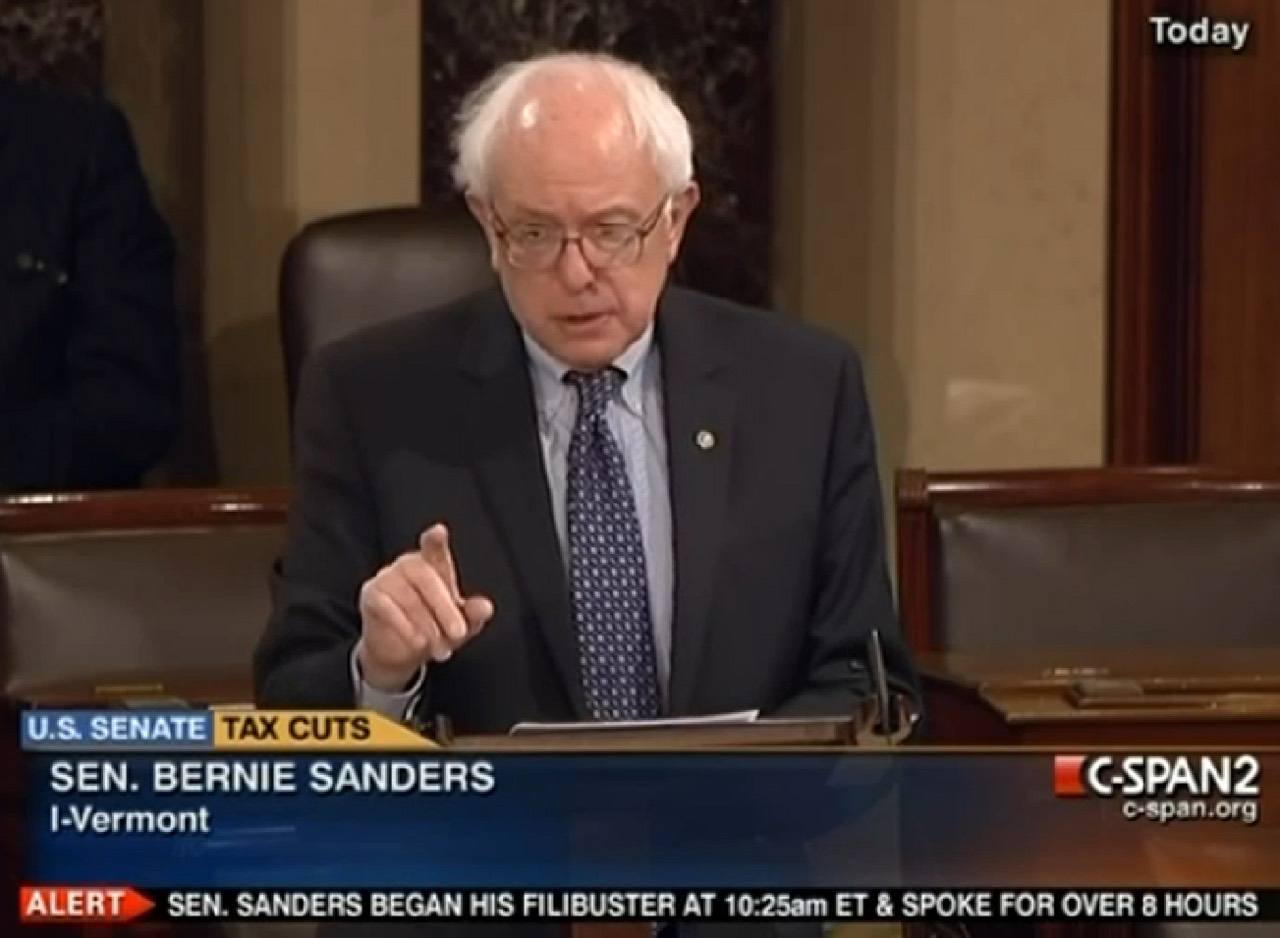
In recent months, we have witnessed alarming tensions between state and federal authorities, particularly in areas such as immigration enforcement, environmental regulations, and healthcare. These clashes have illuminated a fundamental truth: institutions often prioritize their own survival over the ideals they were created to uphold. This instinct can be seen across the political spectrum, as both left-leaning and right-leaning institutions dig in their heels.

On one hand, Democratic-controlled states have openly defied federal directives, championing their own policies on immigration and climate change. Leaders in California, for instance, have positioned their state as a sanctuary for undocumented immigrants, directly challenging federal immigration laws. This is not merely a moral stand; it is a calculated move to protect the very identity and values that many Californians hold dear. Yet, such defiance can sometimes devolve into an us-versus-them mentality, where the focus shifts from governance to ideological warfare.
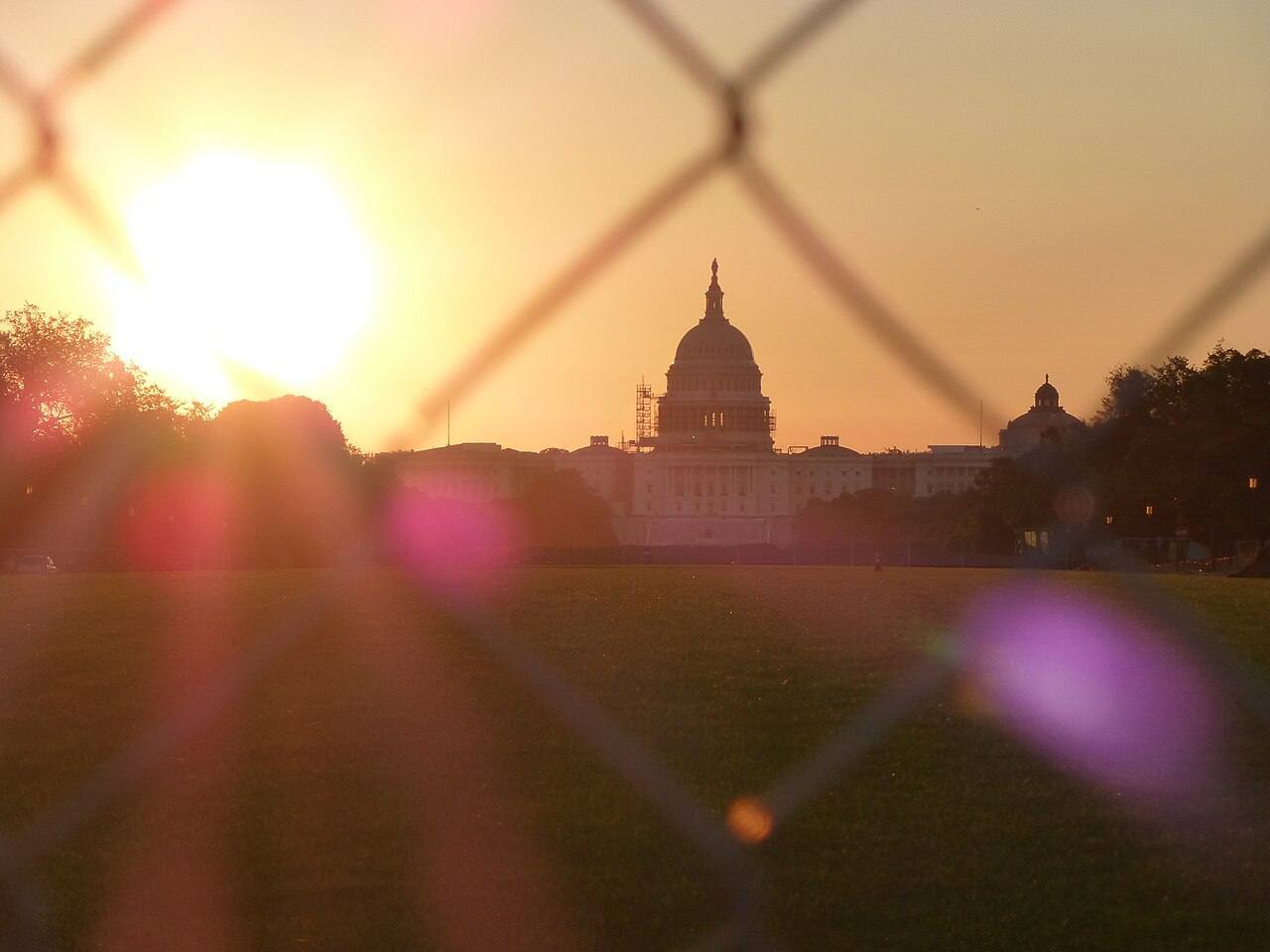
Conversely, Republican-led states are not without their own excesses. Many have embraced a rigid interpretation of states' rights, often to the detriment of broader national interests. The recent pushback against federal health care regulations, for instance, has led to a patchwork of healthcare policies that vary wildly from state to state. This not only creates confusion but also risks leaving vulnerable populations without necessary protections. The desire for autonomy can become an obsession that undermines the very social contracts that bind us as a nation.
“In the struggle for ideological dominance, institutions reveal their true colors, often prioritizing self-preservation over the common good.”
A Middle Ground?
Amid this turmoil, the question arises: can there be a middle ground? As we grapple with these federalism clashes, it is crucial for both sides to recognize the importance of dialogue and compromise. The Constitution, after all, was designed to balance power between the federal government and the states, allowing for both unity and diversity.
However, the current climate often feels devoid of this spirit. Partisan rhetoric has escalated to the point where cooperation is seen as betrayal. This is evident in the way both sides engage with one another; accusations fly, and the focus shifts from productive solutions to partisan scorekeeping. The result is a legislative gridlock that serves nobody’s interests.
Institutional Integrity at Risk
The integrity of our institutions is also at stake. When state and federal governments engage in constant skirmishes, the public's trust in these institutions erodes. Citizens become disillusioned, feeling that their leaders are more concerned with political posturing than with effective governance. This disillusionment can lead to apathy, further destabilizing the very framework that allows for democratic governance.
As institutions position themselves in opposition to one another, they risk losing sight of their primary mission: to serve the public good. The emergency of hyper-partisanship has led to a reluctance to engage with opposing views, creating an echo chamber where only like-minded voices are heard. This is dangerous for a democracy that thrives on diverse perspectives and constructive debate.
The Way Forward
To reclaim the spirit of federalism, we must encourage a culture of respect and understanding across party lines. Institutions should not just serve as bastions of ideological warfare but as platforms for collaboration. Engaging in civil discourse is not a sign of weakness; it is a hallmark of a mature democracy. Moreover, leaders must prioritize the needs of their constituents over their party agendas, recognizing that the citizens they represent deserve better than a perpetual state of conflict.
As we move into 2019 and beyond, the hope is that both sides can step back from the brink of polarization and foster a renewed commitment to the principles of federalism. Only then can we protect the integrity of our institutions and ensure they function as intended: as facilitators of governance that truly reflects the will of the people.
✦ ✦ ✦