From the file. Written for the paper dated November 2018. Opened in the public stacks July 14, 2026.
In an age where information spreads faster than wildfire, the fabric of our democracy is at risk, not just from misinformation but from the incentives that drive both left and right to amplify these rumors for their own ends.

The Political Landscape of Rumor
The current political climate is fraught with tension and division, and rumors have become a currency that both parties trade in to gain an upper hand. From unfounded allegations to exaggerated claims, the way information is circulated and consumed has transformed the political landscape into a battleground where truth often takes a backseat. The incentives for both sides are clear: sow discord among opponents and rally the base. However, the consequences of this strategy threaten to undermine the very foundations of our republic.
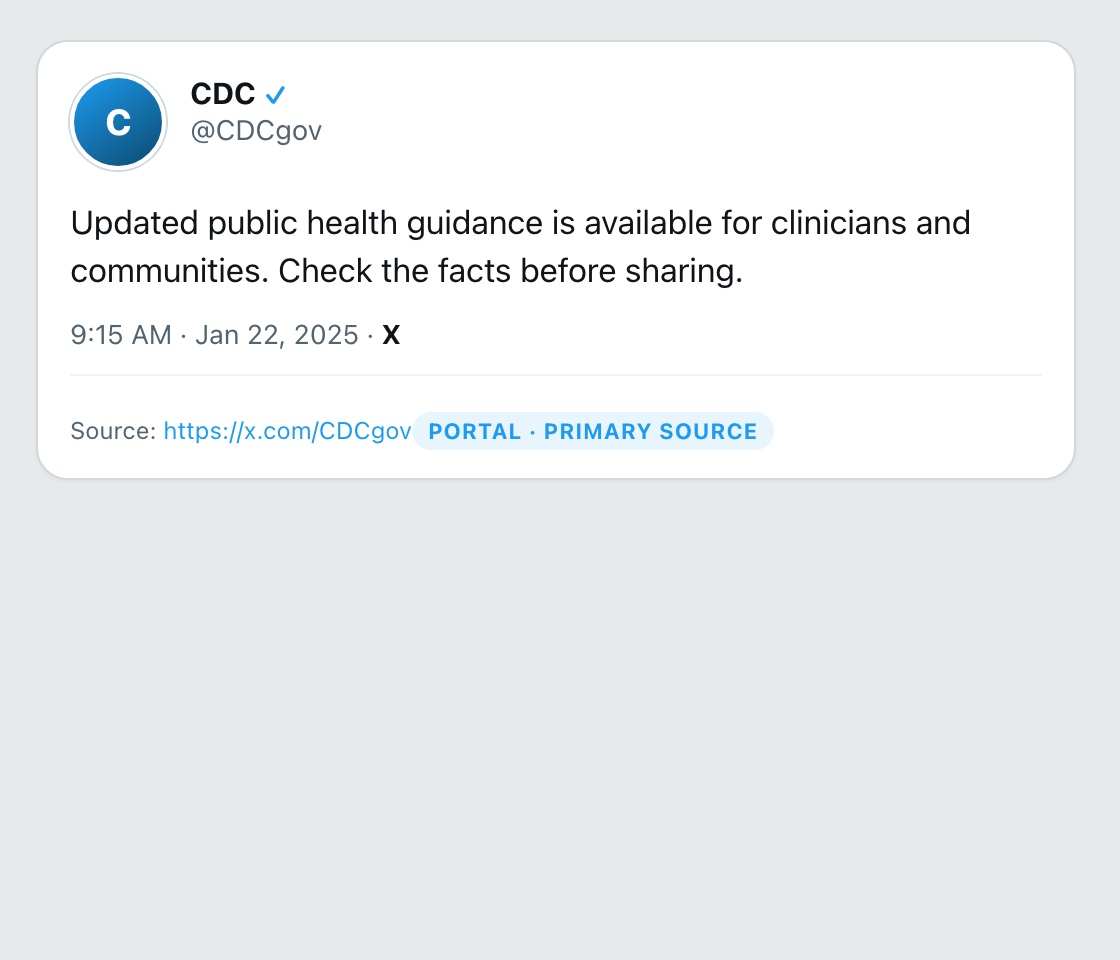
“In the theater of politics, the truth is often the first casualty.”
On the left, the incentive to combat perceived threats from the right has led to a culture of hyper-vigilance. The fear of extremist ideologies and regressive policies has prompted many progressives to embrace narratives that, while intended to protect democratic values, can sometimes straddle the line of truth. The amplification of rumors alleging collusion or conspiracy, without sufficient evidence, serves to energize the base but risks alienating moderates and independents who may find such tactics excessive.

Conversely, the right has cultivated an environment where dismissing any unfavorable narrative as "fake news" or a product of liberal bias has become commonplace. These responses are not just defensive mechanisms but rather strategic moves to delegitimize dissenting viewpoints. This tactic has created a feedback loop where facts are secondary to the perception of truth, further entrenching divisions and fostering a climate of distrust among the electorate.
The Role of Media
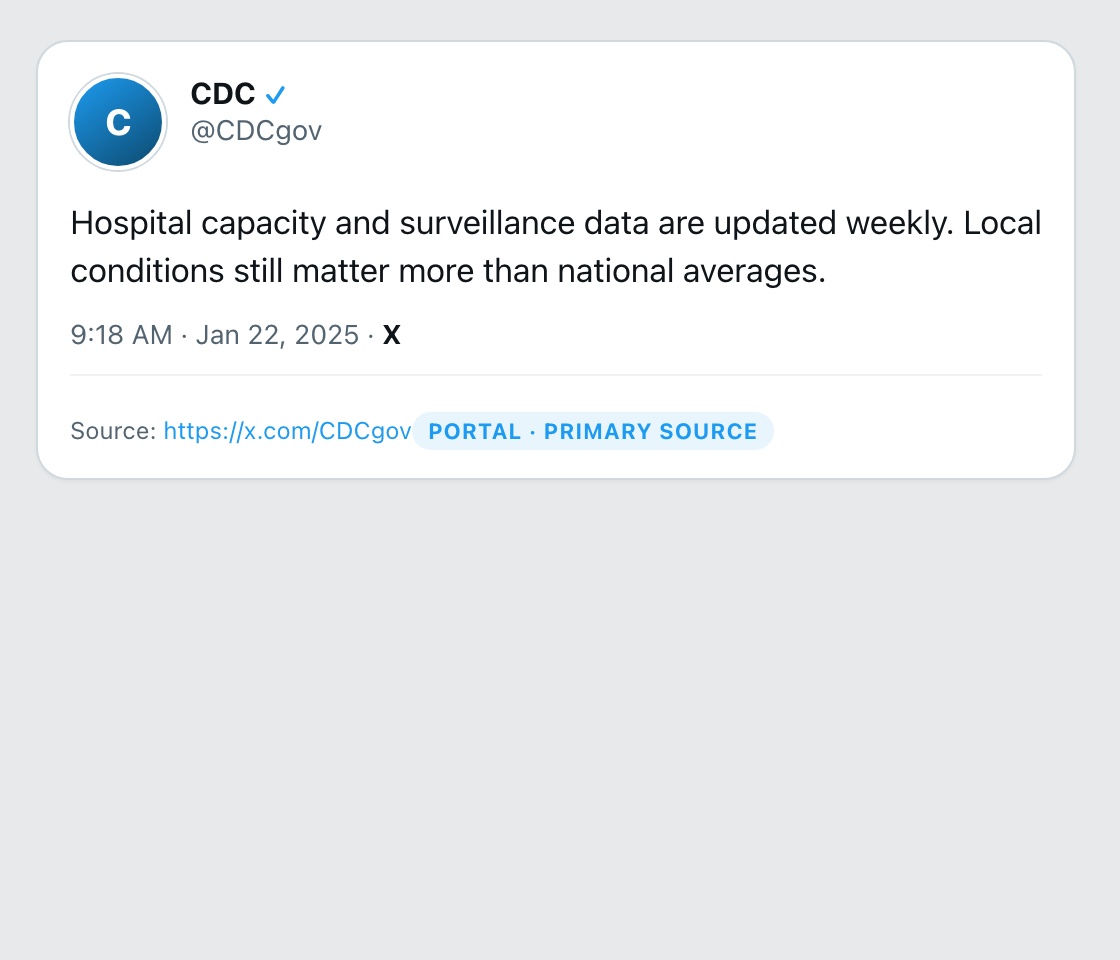
The media, too, plays a crucial role in this dynamic. Sensationalism and the pursuit of ratings often trump journalistic integrity. News outlets, in their quest for viewer engagement, have increasingly succumbed to the temptation of presenting rumors as headlines. The line between reporting and rumor-mongering has blurred, with many outlets prioritizing speed over accuracy. This not only misinforms the public but also fuels the fire of discontent among partisans who are eager to latch onto any narrative that reinforces their beliefs.
In an environment where the truth can be manipulated to serve political agendas, the responsibility lies not just with politicians but with the electorate as well. Voter engagement must be grounded in critical thinking, where individuals actively seek out the truth rather than accepting information at face value. The tendency to share sensational stories without verification only perpetuates the cycle of misinformation.
Bridging the Divide
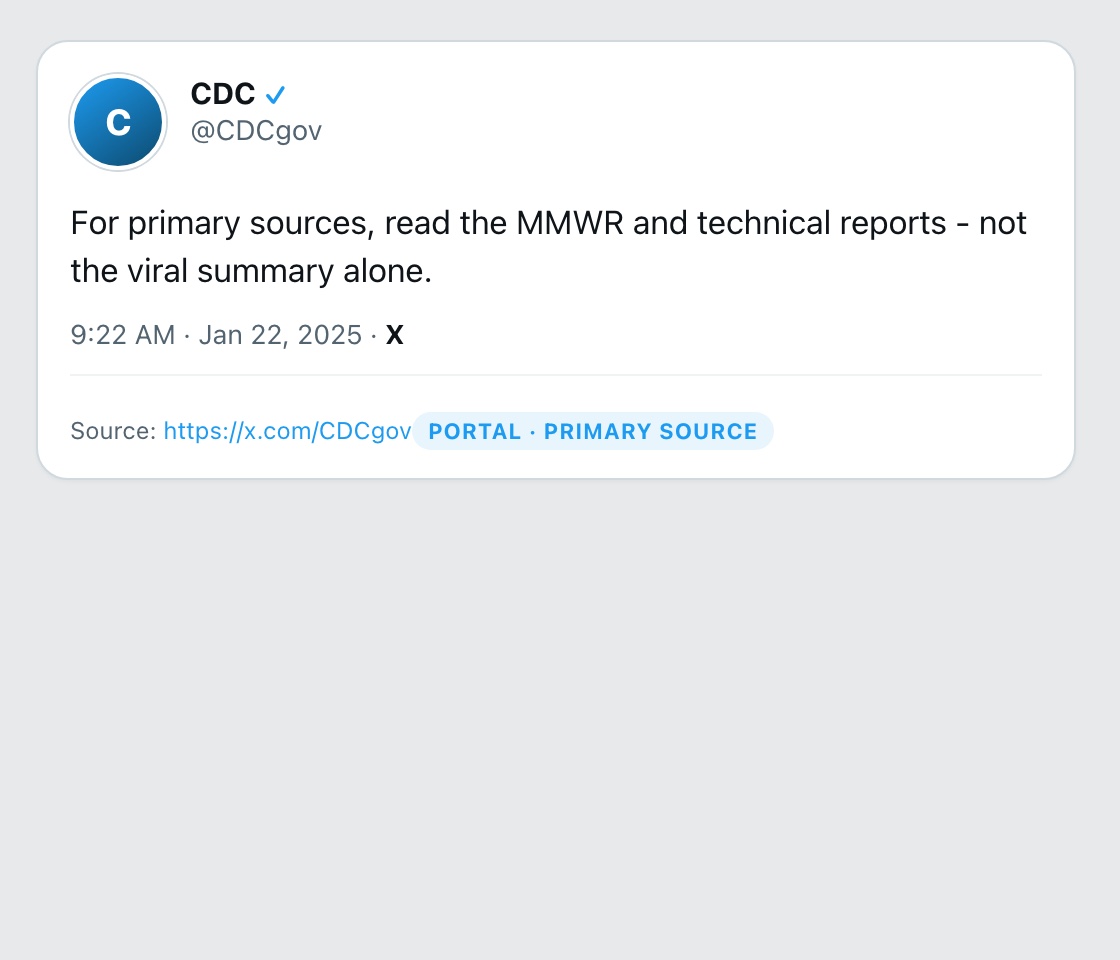
To counteract the detrimental impact of rumor-driven politics, a concerted effort is needed from both sides of the aisle. It is crucial for leaders to encourage a culture of accountability and transparency. Instead of weaponizing information, politicians should seek to foster dialogue and understanding. This is not merely an appeal to civility but a necessary step to restore faith in the political process, where facts matter, and informed debate prevails over ad hominem attacks and baseless accusations.
Moreover, media outlets must re-evaluate their role in shaping public discourse. A commitment to fact-based reporting, prioritizing substance over sensationalism, will be pivotal in rebuilding trust with the public. The media landscape must be a space where nuanced discussions thrive rather than a platform for the amplification of rumors and hyperbole.
The Path Forward
Ultimately, the challenge lies not just in combating the spread of misinformation, but in addressing the systemic incentives that encourage its proliferation. Both the left and right must grapple with the realities of their respective strategies and consider the long-term implications of their actions. In a democracy, the power of the people is rooted in informed decision-making. As we navigate this tumultuous period, it is crucial to prioritize truth over tactics, fostering a political environment where reasoned discourse can flourish.
✦ ✦ ✦