From the file. Written for the paper dated November 2018. Opened in the public stacks July 14, 2026.
As the political climate intensifies ahead of the midterm elections, the debate surrounding science funding has become a focal point, revealing stark contrasts and surprising alliances among lawmakers.

The Political Divide
In recent years, the funding of scientific research has become increasingly politicized, with both the left and right vying for dominance over budgetary allocations. On the left, there is a strong push for increased funding in areas such as climate change research, public health, and renewable energy technologies. Progressives argue that investing in science is not only a moral imperative, but also a pathway to economic growth and job creation. However, critics contend that the left's approach often prioritizes ideological agendas over objective scientific inquiry.
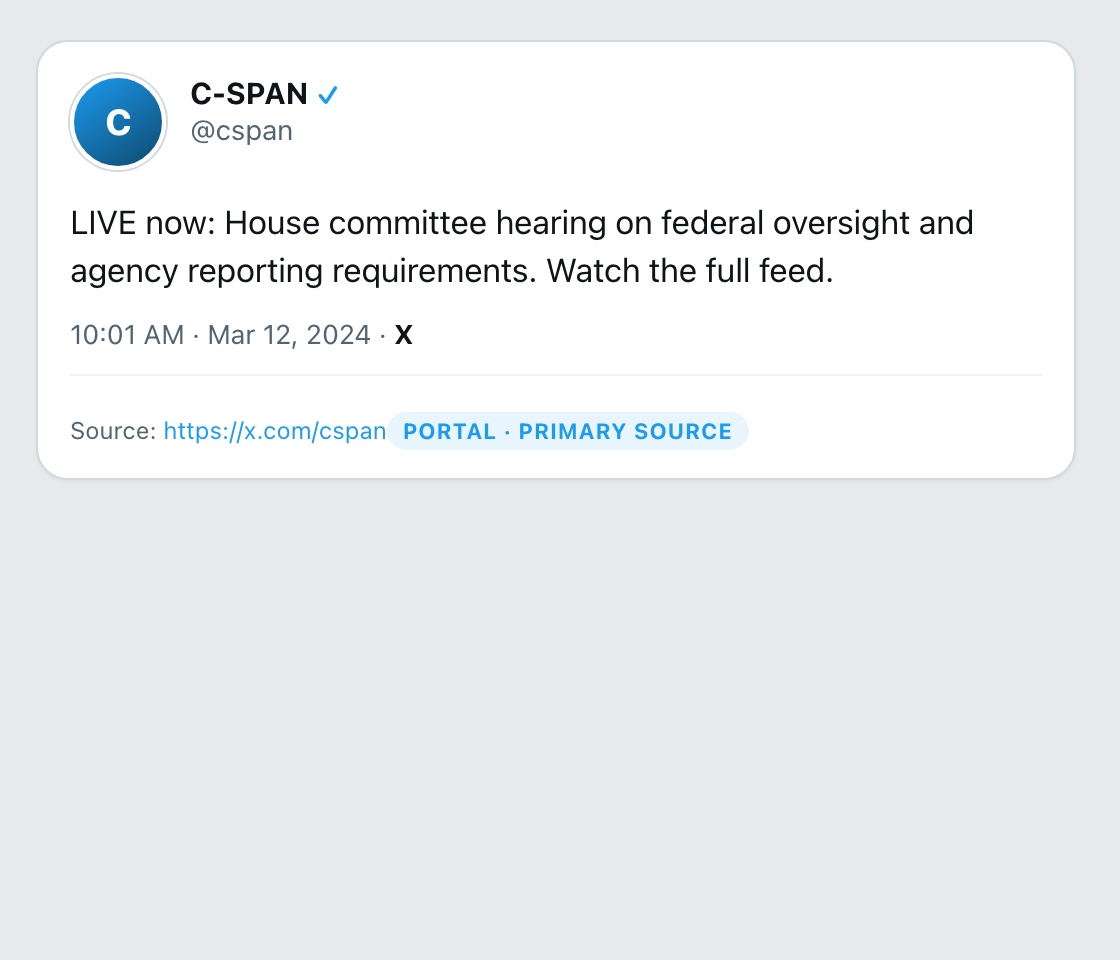
Conversely, right-leaning politicians often champion funding for defense-related research and technology, emphasizing the need for national security and innovation in military capabilities. While this focus can lead to advancements in important areas, it frequently comes at the expense of other scientific fields, particularly those that address pressing social issues. The result is a landscape where science funding is sometimes seen as a tool for political leverage rather than a means of advancing knowledge for the greater good.

Shared Interests Amidst Division
Despite the stark divisions, there are glimmers of bipartisanship when it comes to science funding. Some lawmakers from both parties recognize the importance of scientific research in addressing critical issues that affect all Americans. For example, the opioid crisis has garnered attention across party lines, leading to increased funding for research into addiction and mental health. This shared interest indicates a potential pathway for cooperation, highlighting that, even in a polarized environment, science can serve as a unifying force.

"The fight for science funding should transcend party lines, focusing instead on the greater human experience and our collective future."
The Role of Advocacy Groups
Advocacy groups play a pivotal role in shaping the narrative around science funding. Organizations such as the American Association for the Advancement of Science (AAAS) and the National Science Teachers Association (NSTA) work tirelessly to lobby for increased funding and to educate lawmakers on the importance of research. Yet, these groups often find themselves caught in the crossfire of partisan politics, as their efforts can be co-opted by one side or the other.
The tendency for advocacy groups to align with specific political ideologies can lead to a dilution of their message. When science is framed as a partisan issue, it risks alienating those on the other side of the aisle, creating a scenario where funding decisions are made based on political allegiance rather than scientific merit. This dynamic ultimately hampers the advancement of knowledge and innovation.

Public Perception and Support
Public support for science funding remains strong, with many Americans recognizing the vital role that research plays in improving quality of life. Polls indicate that a significant majority believe the government should invest more in scientific research. However, the challenge lies in translating this public sentiment into actionable policy. As midterm elections loom, candidates may be tempted to pander to their bases rather than genuinely address the funding needs of scientific disciplines.
Looking Ahead
The future of science funding hangs in the balance as lawmakers prepare for the upcoming elections. The stakes are high; the decisions made today will shape the trajectory of research for years to come. As both sides of the aisle continue to jockey for control, it is crucial that they recognize the shared benefits of investing in scientific research.
We must advocate for a funding model that prioritizes scientific integrity over political expediency. Only by fostering an environment where scientific inquiry can flourish, free from the constraints of partisan politics, can we hope to address the pressing challenges facing our society. The responsibility lies not just with lawmakers, but with all of us as citizens to demand a commitment to evidence-based policy and funding.
✦ ✦ ✦