From the file. Written for the paper dated November 2018. Opened in the public stacks July 14, 2026.
In the current political climate, reading primary sources is more crucial than ever. It allows us to sift through the noise and find the truth, while also revealing the incentives that drive both sides of the aisle.

The Importance of Primary Sources
In an age where information is abundant yet often misleading, primary sources serve as the bedrock of informed discourse. Whether it’s a legislative document, a speech, or firsthand accounts, these materials provide direct insights into the intentions and contexts behind political actions. However, both left and right factions have their respective incentives that can distort these narratives.

Left-Wing Incentives: The Quest for Justice
Progressives often utilize primary sources to advocate for social justice, equality, and reform. While the drive to shed light on marginalized voices is noble, the enthusiasm can lead to selective reading. For instance, when analyzing a policy proposal, there might be a tendency to highlight only the aspects that support a pre-existing agenda, overshadowing other relevant details. This creates an echo chamber where only certain interpretations are valid, potentially alienating those who might offer constructive criticism.

"Selective reading can turn a nuanced discussion into a polarized standoff."
Right-Wing Incentives: Preservation of Tradition
On the other hand, conservative factions often lean on primary sources to defend traditional values and uphold national identity. However, this reliance can sometimes manifest as a resistance to change, with a tendency to romanticize the past. While many historical documents are indeed valuable, interpreting them without consideration for contemporary realities can lead to a dangerous form of nostalgia. This can stifle the necessary evolution of policies that adapt to modern society’s needs, favoring instead a static view of governance.
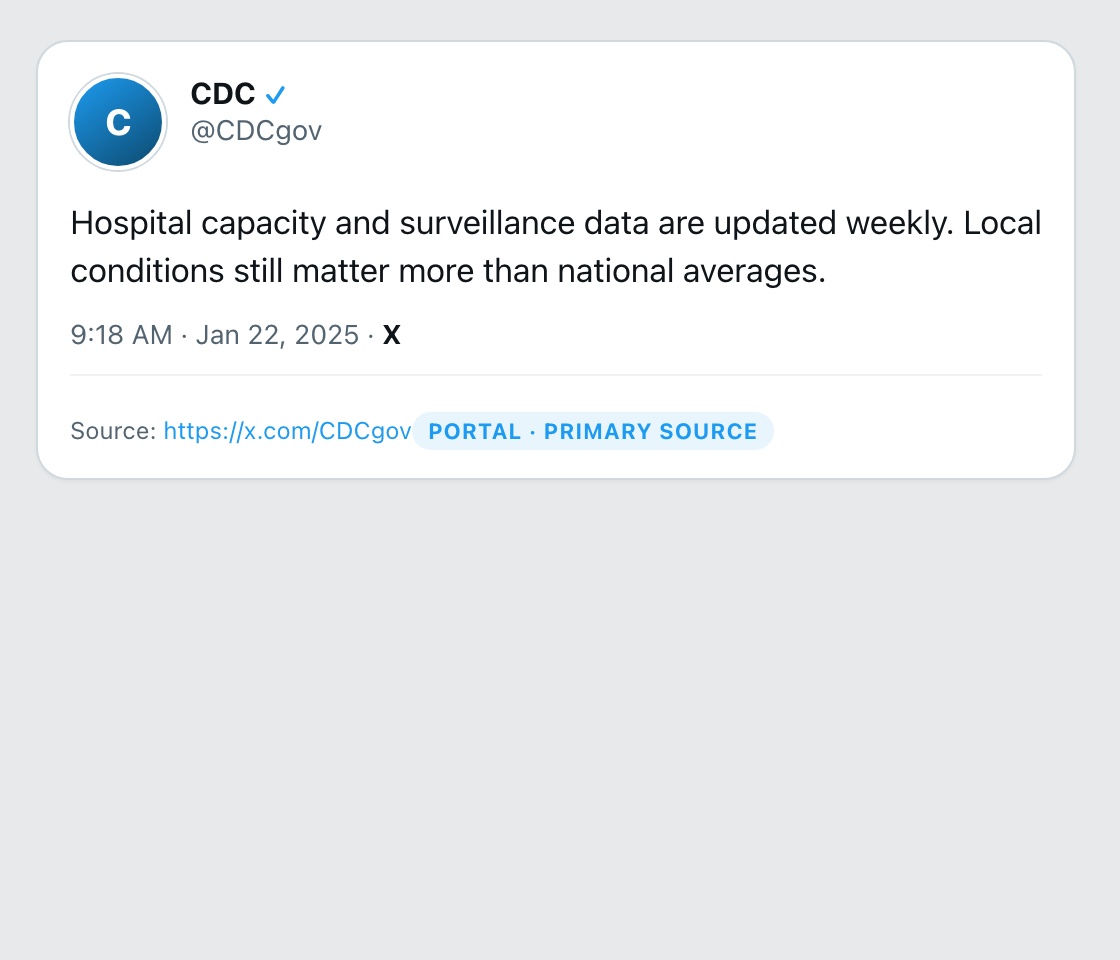
Finding Common Ground
Both sides, while operating under different incentives, risk prioritizing ideology over facts. The left may amplify narratives that resonate emotionally, while the right often clings to historical precedents that may not serve current realities. The challenge lies in balancing these perspectives and engaging with primary sources critically, rather than through a lens clouded by partisanship.
The Role of Critical Thinking
Critical thinking is essential for navigating the labyrinth of primary sources. It demands that we ask questions about the context, intent, and implications of the documents we engage with. For example, when reading a legislative proposal, one should consider who authored it, who benefits from it, and what historical precedents it draws upon. By fostering a culture of inquiry rather than blind acceptance, both liberals and conservatives can move toward a more nuanced understanding of the issues at hand.

Encouraging Dialogue
Moreover, encouraging dialogue across the aisle can lead to richer interpretations of primary sources. When individuals from different ideological backgrounds come together to discuss and dissect these documents, they can uncover layers of meaning that might otherwise go unnoticed. This collaborative effort can bridge the divide and foster a more comprehensive understanding of complex issues.
Conclusion: A Call for Inclusivity in Interpretation
As we continue to navigate the political landscape, it’s imperative to approach primary sources with an open mind and a willingness to engage with diverse perspectives. By acknowledging the incentives that drive both the left and the right, we can strive toward a more inclusive interpretation of the documents that shape our society. This approach not only enriches our understanding but also fosters a healthier political discourse.
✦ ✦ ✦