From the file. Written for the paper dated November 2018. Opened in the public stacks July 14, 2026.
As the nation grapples with rising commodity prices, the political landscape reveals a complex web of incentives that are shaping the discourse surrounding this critical economic issue.
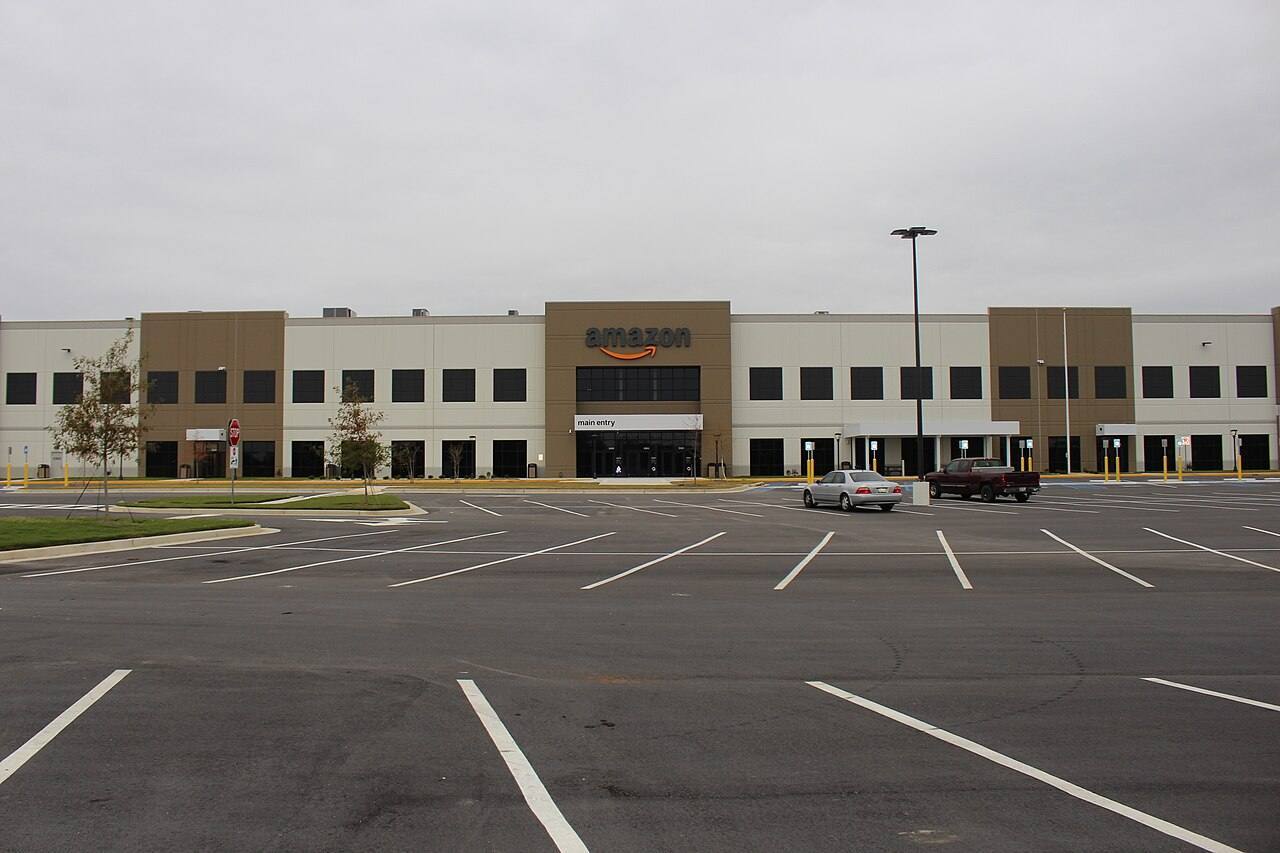
The Current State of Commodities
In recent months, various commodities have seen significant price hikes, affecting everything from grocery store shelves to construction costs. Factors such as weather disruptions, trade tensions, and geopolitical uncertainties have contributed to this spike, prompting a flurry of responses from both sides of the political aisle. While Democrats and Republicans often find themselves at odds, the current situation is revealing how both parties are leveraging these rising costs to fuel their agendas.
Republican Rhetoric: "Free Market Solutions"
On the right, Republicans rapidly seize the opportunity to tout their commitment to free-market principles as the solution to rising commodity prices. They argue that government intervention often exacerbates issues rather than alleviating them. Proponents of this view advocate for deregulation and reduced tariffs, claiming that such measures would allow market forces to stabilize prices naturally.
"The best way to combat rising prices is to let the market do its job. Government interference only leads to higher costs for consumers."
However, this perspective fails to acknowledge the immediate concerns facing everyday Americans who may struggle to afford basic necessities as prices climb. While free-market solutions may ultimately benefit the economy in the long run, they can leave vulnerable populations to bear the brunt of short-term hardships.

Democratic Solutions: Calls for Intervention
In contrast, many Democrats are pushing for government intervention as a means to combat the rising costs. Their proposals often include calls for increased subsidies for farmers, price caps on essential goods, and enhanced regulations on commodity trading to prevent speculation that could drive prices even higher.
"When families are struggling to afford food and fuel, we must step in to protect the most vulnerable among us. This is not just an economic issue; it’s a moral one."
This approach, while well-intentioned, raises questions about the effectiveness of government intervention. Critics argue that such measures can disrupt market dynamics and create inefficiencies that may worsen the situation in the long run. Moreover, the potential for unintended consequences, such as reduced supply due to lower profit margins for producers, cannot be overlooked.

The Middle Ground: Finding Common Solutions
Amid the heated debate, there is a glaring need for both parties to find common ground. Instead of doubling down on ideological extremes, a collaborative approach could yield practical solutions. For instance, bipartisan efforts could focus on investing in agricultural technology to improve crop yields and reduce costs in the long run. Additionally, fostering trade agreements that prioritize stability over protectionism could help alleviate price pressures on both sides.
Conclusion: Excesses on Both Sides
The current commodity spike serves as a crucial reminder of the stakes involved in economic policy. While both sides of the aisle may have valid points, their extremes often obscure the complexities of the issue. Republicans should recognize the tangible struggles that their free-market ideology can exacerbate, while Democrats must be wary of overreaching government intervention that could stifle economic growth.
Ultimately, a balanced approach that considers the immediate needs of consumers while also promoting long-term resilience is essential. In a time of economic uncertainty, it is the responsibility of both parties to rise above partisan divides and work together for the common good. As the political landscape continues to evolve, let us hope that reason prevails over rhetoric, and practical solutions emerge from the chaos of rising commodity prices.
✦ ✦ ✦