From the file. Written for the paper dated October 2018. Opened in the public stacks July 14, 2026.
In an era increasingly defined by division, vaccine policy has emerged as a contentious battleground, with both sides of the political spectrum leveraging the topic to bolster their narratives. Yet, in this fray, essential discussions about public health are often sidelined.

The Polarized Landscape of Vaccine Policy
The debate surrounding vaccines has morphed into a reflection of broader societal divisions. On one side, advocates argue passionately for mandatory vaccinations, emphasizing herd immunity and public health benefits. On the other, a vocal minority raises concerns about parental rights and individual autonomy. What gets lost amid the fervor are the nuances that could lead to a more constructive dialogue.
When political entities take a team jersey approach to vaccine policy, they often ignore the complexities of scientific research and public sentiment. This binary view can stifle healthy conversation and compromise the effectiveness of vaccination programs.
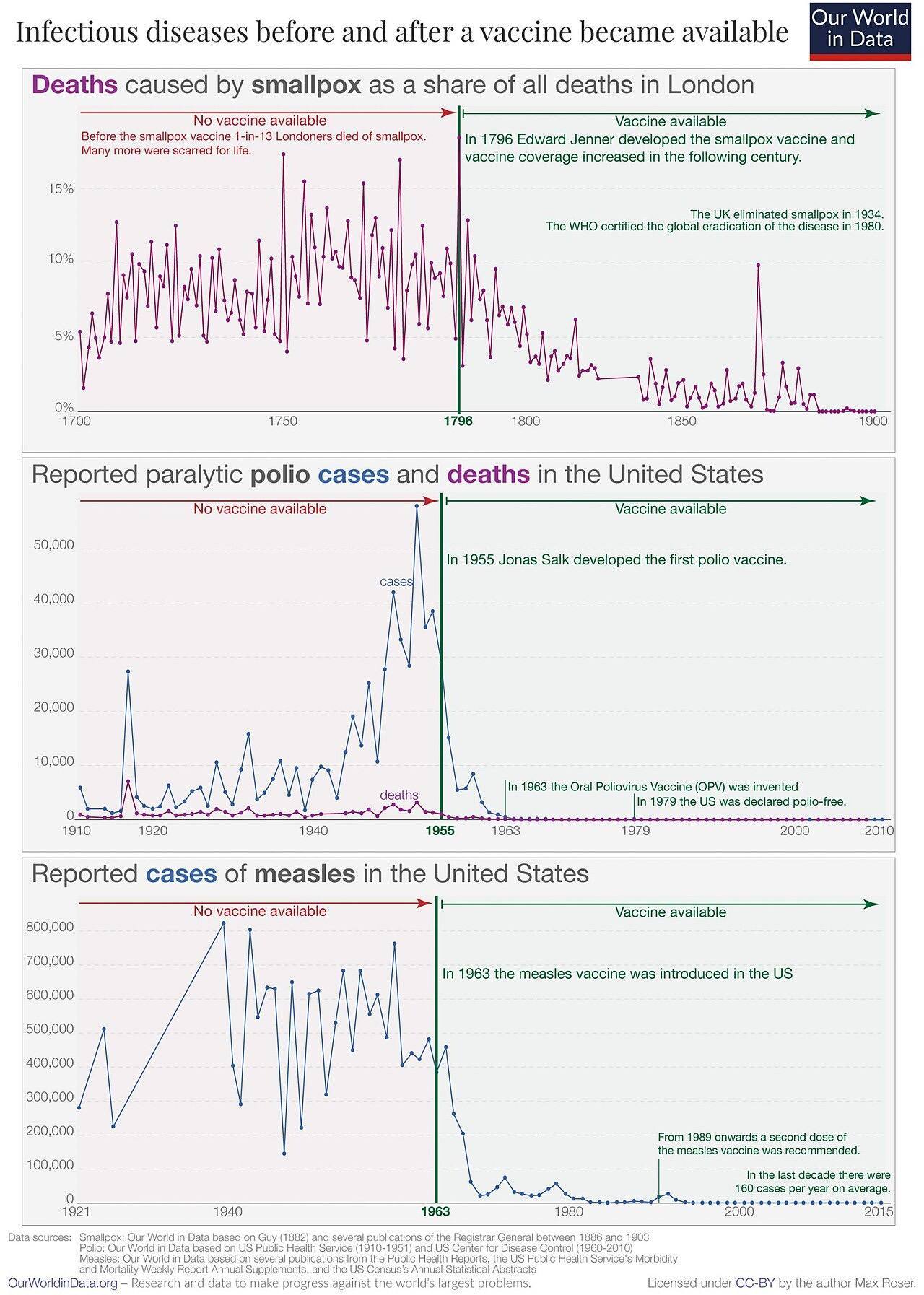
Science vs. Sentiment
At the crux of the vaccine debate is the tension between scientific consensus and public perception. The scientific community overwhelmingly supports vaccines as safe and effective tools for preventing disease. Yet, recent surveys indicate that a significant percentage of the population harbors doubts. Some people cite anecdotal evidence or misinformation as reasons for their hesitancy, while others question the motives of pharmaceutical companies.
"The truth often gets lost when we allow fear to drive our conversations about vaccines."
The challenge lies in reconciling these sentiments with established science. Public health officials must navigate a landscape where fear and misinformation can spread rapidly. The failure to engage with the public's concerns often results in increased resistance, rather than the intended compliance.
Political Opportunism on Both Sides
Both the left and right have their own vested interests when it comes to vaccine policy. Some Democrats frame the push for vaccinations as a social justice issue, arguing that access to vaccines is crucial for marginalized communities. However, this approach can inadvertently alienate those who fear governmental overreach and advocate for personal choice.

Conversely, certain Republicans may capitalize on vaccine skepticism to rally their base, promoting the notion of personal freedom over collective responsibility. This can create a false dichotomy, suggesting that individuals must choose between their rights and the well-being of their communities.
The Role of Misinformation
In this information age, misinformation can spread like wildfire. The anti-vaccine movement has gained traction, often leveraging emotional narratives over factual data. This phenomenon is not merely an inconvenience but a public health crisis. A recent outbreak of measles in several U.S. states serves as a stark reminder of the potential consequences of vaccine hesitancy.
It is imperative for public health officials to address these fears directly, using clear, empathetic communication to dispel myths. However, as has been seen, this is easier said than done. Engaging with the public in a meaningful way requires patience and a willingness to listen - qualities that are often in short supply in today’s polarized climate.
Finding Common Ground
Rather than framing the vaccine conversation as a battle between two polarized sides, there is an opportunity for unity. Public health advocates could focus on shared goals: reducing disease, protecting vulnerable populations, and ensuring informed choices. By fostering an environment of collaboration, rather than confrontation, there is a greater chance of achieving consensus.
The Path Forward
As we move forward, it is critical to approach vaccine policy without the constraints of political allegiances. This means prioritizing public health over partisan interests. Engaging with communities, listening to their concerns, and providing accessible, fact-based information can help bridge the gap between science and sentiment.
In conclusion, the vaccine debate is not merely about policy; it is emblematic of our larger societal challenges. To foster a healthier public discourse, we must rise above the divisions that cloud our judgment and focus on the shared responsibility of protecting public health. Only then can we hope to create a future where vaccination rates rise, outbreaks decline, and communities thrive.
✦ ✦ ✦