From the file. Written for the paper dated October 2018. Opened in the public stacks July 14, 2026.
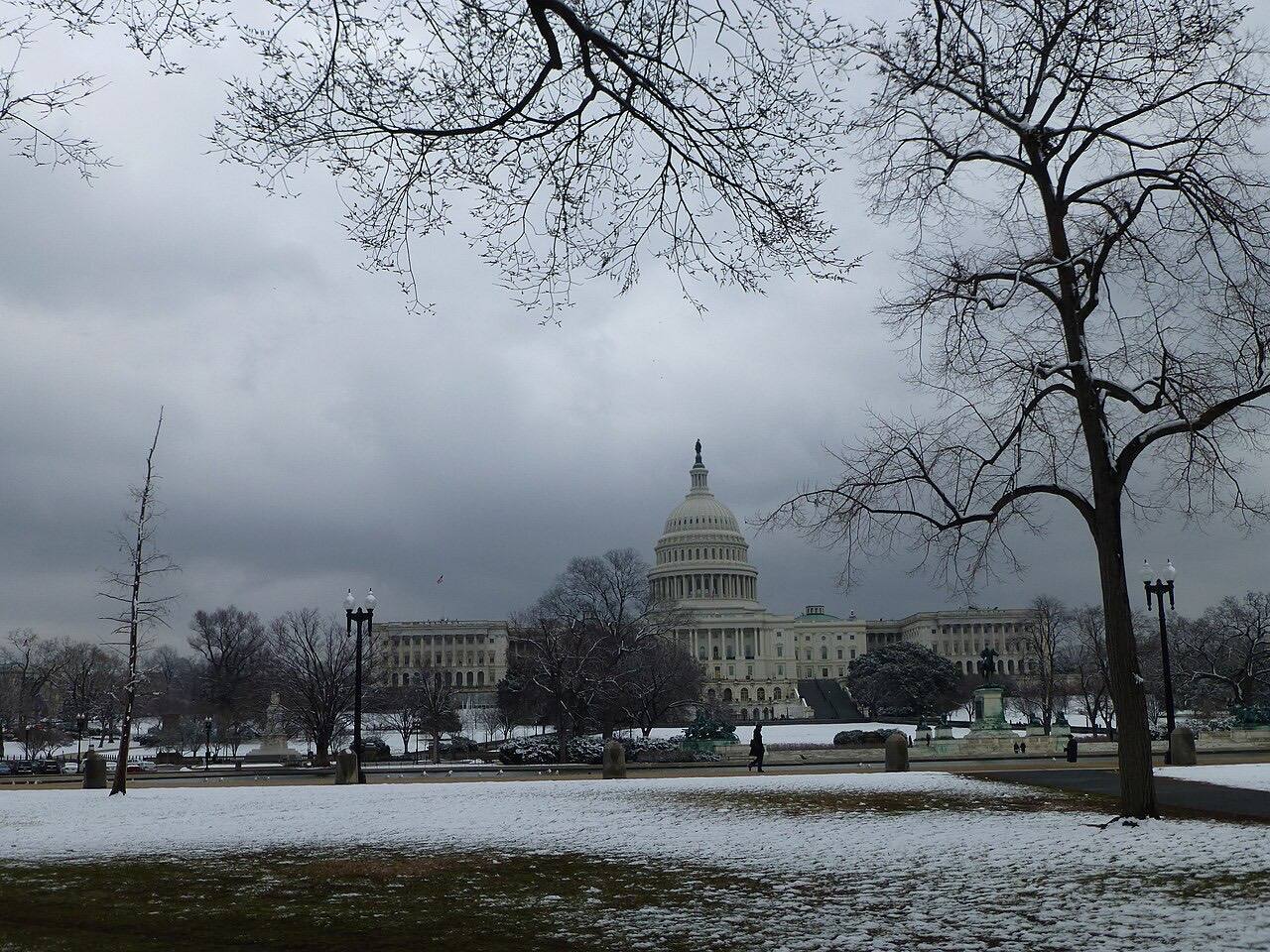
In a season defined by political theatrics and partisan bickering, the recent oversight hearing has brought to light not only the issues at stake but also the glaring omissions that frequently accompany such events.
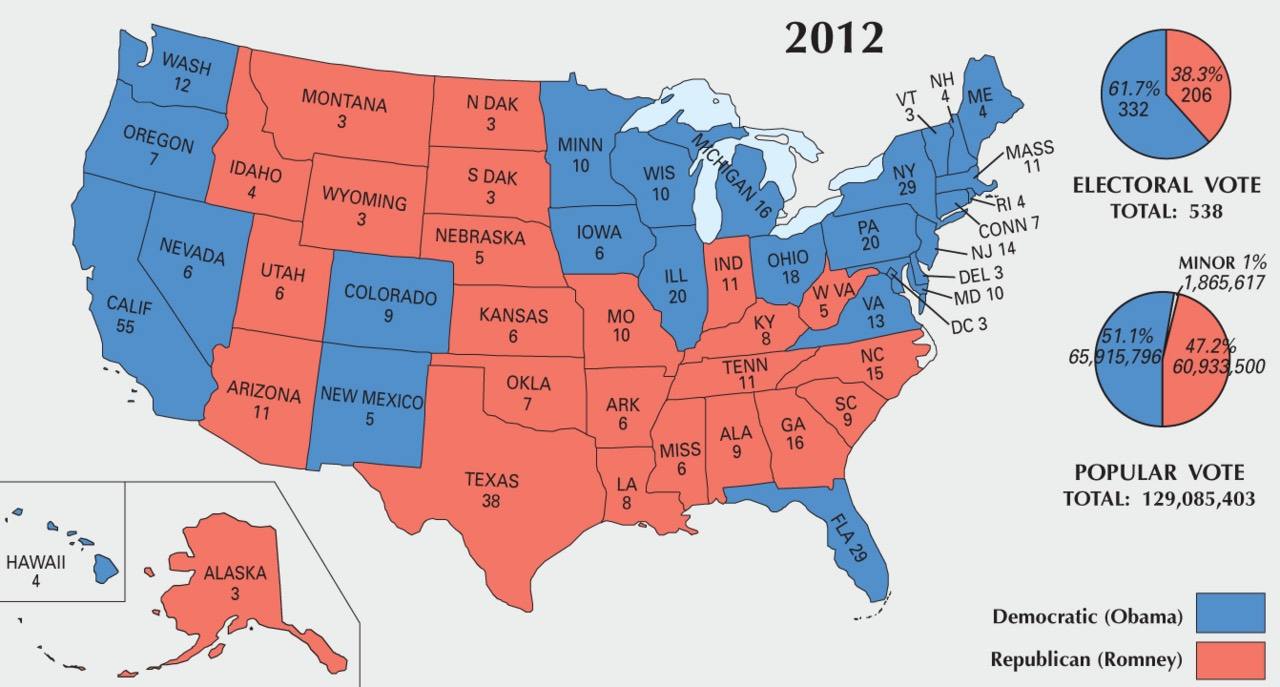
The Theater of Oversight
Oversight hearings have become a staple of American political life, often marked by grandstanding and partisan posturing. However, as representatives take their turns at the microphone, the real concerns often get sidelined by the pursuit of sound bites and applause lines. The most recent hearing showcased this phenomenon, revealing how both sides of the aisle can prioritize spectacle over substance.
On one hand, the left emphasizes accountability and reform, often focusing on systemic issues that require long-term solutions. Yet, in their eagerness to criticize the opposing party, they sometimes overlook the complexities of the problems they seek to address. The conversation can quickly devolve into blame-shifting, with each side vying to showcase their moral superiority rather than engaging in meaningful dialogue.
Conversely, the right often frames their arguments in terms of defending institutions and upholding traditional values. However, this defense can sometimes morph into a refusal to acknowledge legitimate concerns raised by their counterparts. The insistence on a team mentality - where loyalty to party trumps honest evaluation - leaves many pressing issues inadequately explored. It raises the question: are we more interested in winning debates than solving problems?
"The theater of politics has overshadowed the need for genuine oversight."
What Gets Left Out?
During the most recent hearing, several critical issues were conspicuously absent from the discussions. For instance, the implications of proposed policy changes on everyday Americans failed to receive the attention they deserved. Instead of dissecting how legislation would impact healthcare, education, and the economy, representatives found themselves entrenched in partisan disputes.
This lack of focus on practical outcomes is frustrating for constituents who crave real answers. The public expects their representatives to not only point out flaws but also propose actionable solutions. However, this expectation often gets lost in the shuffle when the primary goal appears to be a display of political prowess rather than collaborative problem-solving.
Moreover, the oversights can lead to a disconnect between the political elite and the average citizen. Many Americans feel disillusioned, questioning whether their concerns are ever truly considered in the halls of power. When the loudest voices drown out the more nuanced discussions, it creates an environment where the interests of the few overshadow the needs of the many.
Call for Accountability
As we move deeper into the political season, the need for genuine accountability becomes ever more pressing. Both sides must recognize that while they are competing for dominance, they share a responsibility to address the concerns of their constituents. The electorate deserves a government that prioritizes their needs over political gamesmanship.
Many citizens are calling for more transparency in government processes, urging representatives to engage in meaningful discussions rather than resorting to theatrics. This call for accountability is not a partisan issue; it is about ensuring that the voices of the people are heard and respected.
In this context, it is essential for lawmakers to resist the temptation to turn oversight hearings into a spectacle. Instead, they should strive for an environment where collaboration and compromise are valued. If representatives cannot come together to address pressing issues, the public is left wondering if their best interests are being served at all.
Moving Forward
As we reflect on the recent oversight hearing, it is clear that the stakes are high. Both sides of the aisle must recognize that the political theater cannot replace genuine oversight and accountability. In a democracy, the health of the political process depends on the willingness of representatives to engage in honest dialogue and prioritize the needs of their constituents. Only then can we hope to bridge the growing divide and tackle the pressing issues facing our nation.
The call for more meaningful oversight is not merely a plea for better governance; it is a demand for respect and recognition of the electorate's needs. As we approach the upcoming elections, it is crucial for voters to hold their representatives accountable for the promises they make and the actions they take. The time for change is now, and it begins with a commitment to substantive oversight that prioritizes the well-being of all Americans.
✦ ✦ ✦