From the file. Written for the paper dated October 2018. Opened in the public stacks July 14, 2026.
In the tumultuous climate of October 2018, oversight hearings take center stage, yet often leave critical issues unaddressed, revealing the limitations of our political discourse.
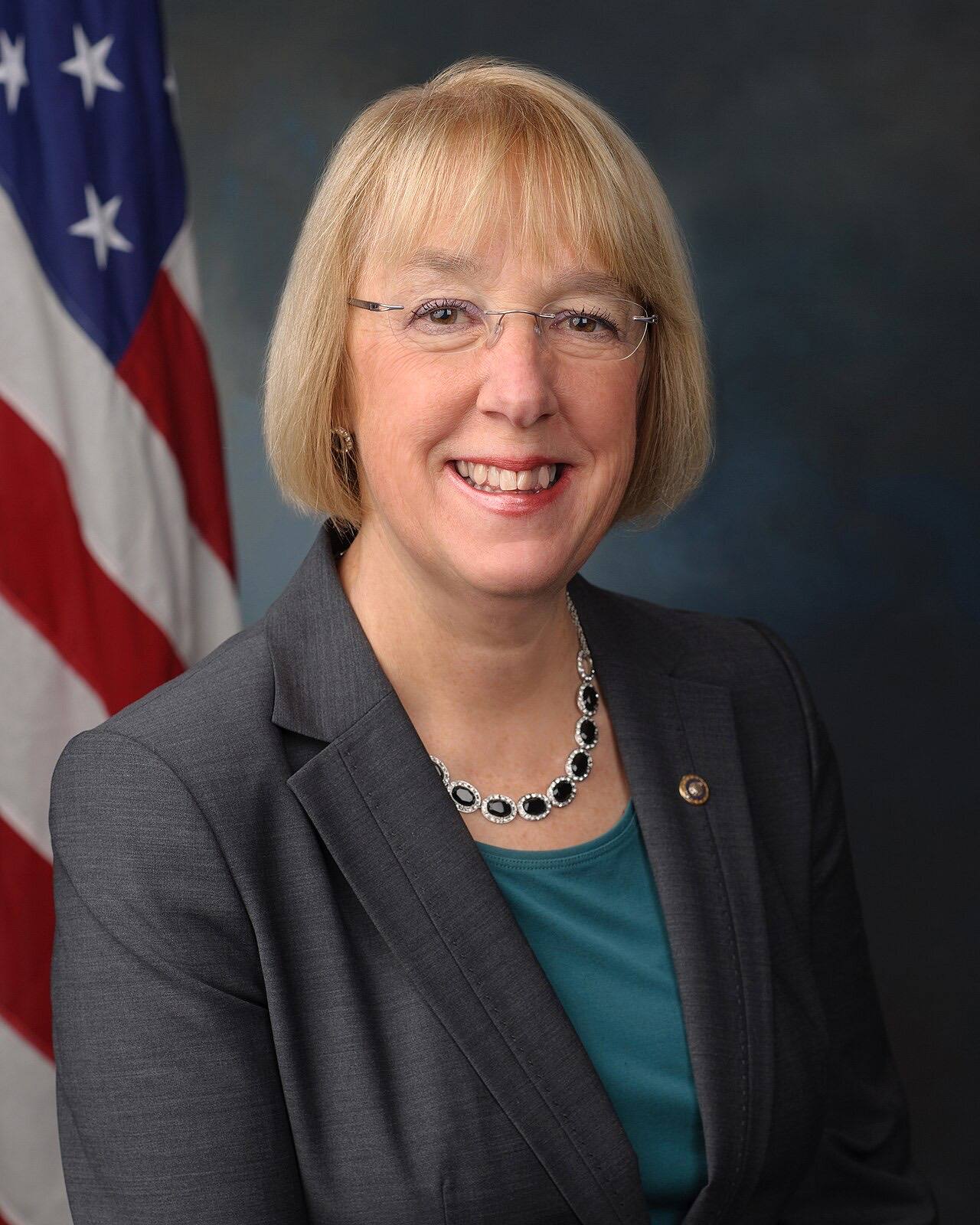
What’s on the Table?
The recent oversight hearing, a spectacle designed to showcase accountability and transparency, feels more like a scripted theater than a genuine examination of policy and governance. Both sides of the aisle have their narratives, yet a closer look reveals what is conspicuously absent from the discussions. The focus on partisan talking points overshadows the substantive issues that require bipartisan attention.
“When did oversight become a sport? It’s as if both sides are more interested in scoring points than addressing the problems at hand.”
As the hearing unfolded, it was evident that the primary focus was on discrediting the opposition rather than engaging in constructive dialogue. Republicans and Democrats alike wield their prepared remarks like weapons, aiming to land a blow on their adversaries while neglecting the broader implications of their policies. This performance art, executed in front of cameras and a captivated audience, distracts from the pressing needs of the American people.
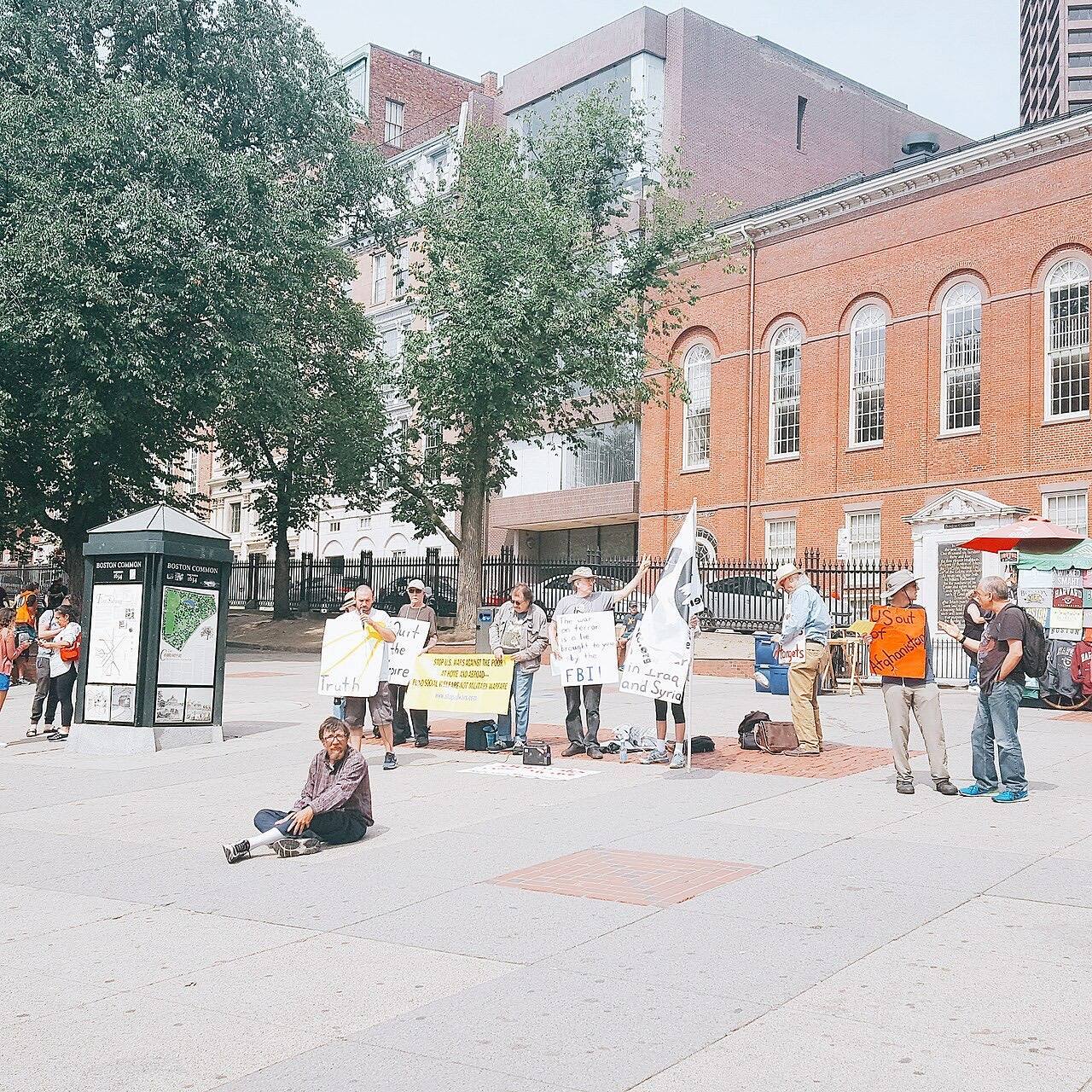
Missing Voices
One of the most glaring omissions from these hearings is the absence of voices from those directly affected by the policies under scrutiny. The people who struggle with healthcare access, education inequality, and economic instability are seldom invited to the table. Instead, we hear from experts and officials, often shielded from the realities that everyday Americans face. This disconnect fosters an environment where solutions are proposed without a comprehensive understanding of their real-world impacts.
Partisan Theater
It is troubling to witness how both parties have leaned into this culture of partisan theater. The Republicans frame their agenda as a crusade against what they perceive as bureaucratic overreach, while Democrats respond with a narrative of defending the vulnerable from the excesses of capitalism. This binary view simplifies complex issues into digestible sound bites, allowing them to sidestep the nuanced discussions necessary for real reform.
The excesses on both sides not only alienate moderate voters but also contribute to a growing sense of disillusionment among the electorate. Many Americans feel that their concerns are lost in the noise of political grandstanding. As a result, trust in government institutions continues to erode, and the divide between the political elite and the citizens they are meant to serve widens.
The Cost of Oversight
The emphasis on political performance comes at a cost. With time and resources wasted on theatrical exchanges, opportunities for meaningful oversight are squandered. Important issues such as climate change, immigration reform, and poverty alleviation remain unresolved, overshadowed by the latest political skirmish. As the clock ticks down on legislative sessions, the urgency for action grows, yet the political machinery seems more focused on scoring points than on finding solutions.
“It’s not just about winning debates; it’s about solving real problems.”
Looking Ahead
As the nation moves closer to the midterm elections, the stakes are higher than ever. Voters are increasingly aware of the shortcomings in oversight and the need for genuine engagement with the issues that matter. The question remains: will our leaders respond to this call for accountability, or will they continue to prioritize their political survival over the needs of their constituents?
The answer lies in the willingness to transcend partisan divides and foster an environment where all voices are heard. It requires a commitment to not just show up for the hearings but to engage in the difficult work of governance that goes beyond the sound bites and the spotlight.
A Call for Genuine Oversight
The path forward is clear: we need oversight that reflects the diverse perspectives of the American populace, not just the interests of a select few. If we are to reclaim trust in our institutions, both sides must acknowledge their excesses and strive for a more collaborative approach to governance. The time for political theater is over; it is time for meaningful oversight that prioritizes the needs of the people.
✦ ✦ ✦