From the file. Written for the paper dated October 2018. Opened in the public stacks July 14, 2026.
As factory orders ebb and flow, the numbers often tell a tale of growth or decline. However, the narrative behind these statistics frequently gets lost in the shuffle, revealing a complex interplay of factors that merit deeper examination.
The Numbers Game
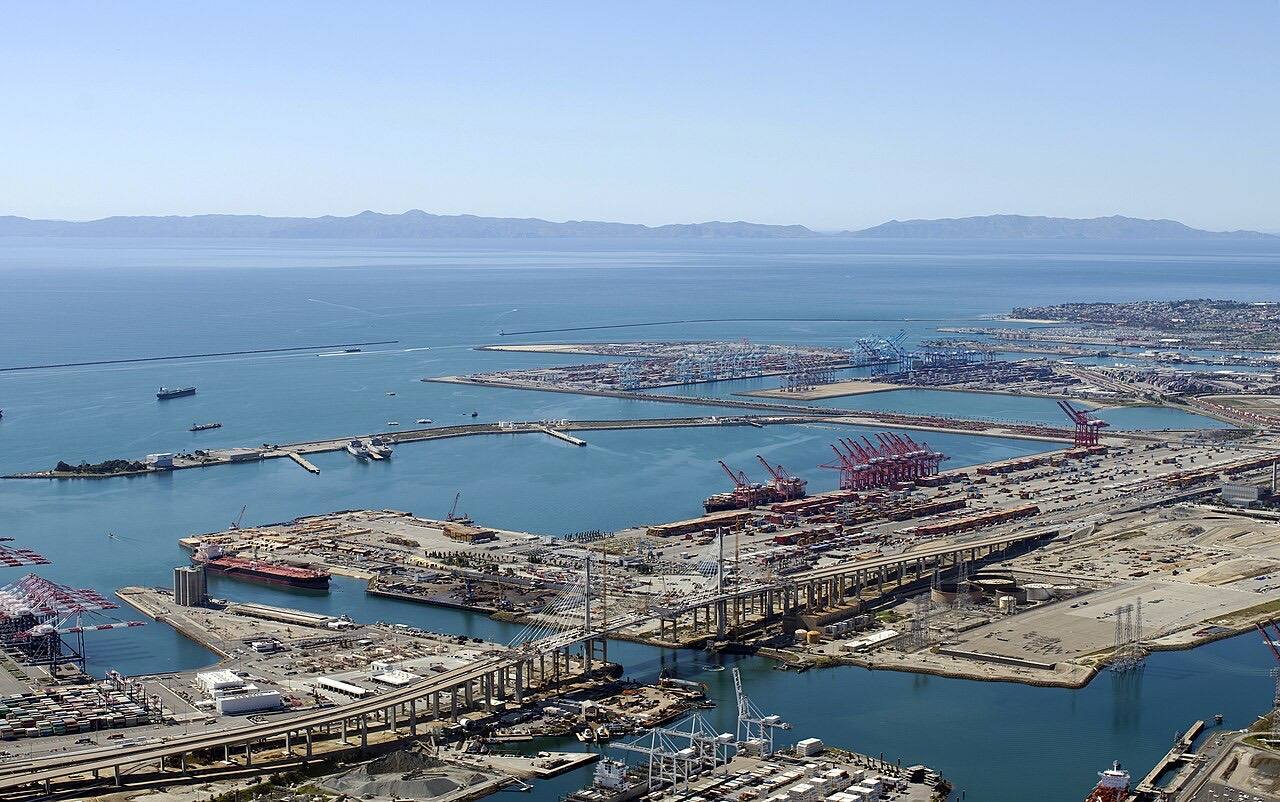
Factory orders in the U.S. have been a topic of interest in recent months, piquing the curiosity of economists, policymakers, and the public alike. According to the latest reports, factory orders have seen fluctuations, with some months exhibiting growth while others indicate a slowdown. The figures are often presented in a vacuum, devoid of context, leaving many to wonder what these numbers truly signify.

While on the surface, an increase in factory orders can be interpreted as a sign of a robust economy, it is essential to consider the broader implications. For example, the growth may be concentrated in certain sectors, such as technology or automotive manufacturing, while other industries may be struggling. This uneven distribution raises questions about sustainability and long-term economic health.

What’s Missing from the Briefings
One of the most glaring omissions in the discussion surrounding factory orders is the impact of international trade. The current political climate, characterized by tariffs and trade negotiations, has created uncertainty for manufacturers. Businesses are caught in the crossfire of policy decisions that can influence their bottom lines. Without addressing these complexities, briefings on factory orders run the risk of oversimplifying a multifaceted issue.
Moreover, the conversation often neglects the labor market dynamics at play. An increase in factory orders does not necessarily translate to job creation. Automation and technological advancements can lead to higher production with fewer workers, challenging the narrative that every uptick in orders will benefit the workforce. This disconnect raises critical questions about the future of employment in manufacturing sectors.
“The numbers may look good, but what do they mean for real people?”
The disconnect between statistical reports and lived experiences cannot be overstated. For many factory workers, the reality is one of uncertainty and anxiety. Paychecks may not be increasing in tandem with order volumes, and many are left wondering how long their jobs might last in an evolving marketplace. It’s vital that we consider the human element behind the numbers.
Political Polarization and its Effects
The current political landscape also plays a significant role in shaping perceptions around factory orders. On the left, there is a tendency to criticize policies that support manufacturers without considering the implications for small businesses and entrepreneurs. Conversely, the right often touts factory order increases as a sign of economic triumph while neglecting the challenges faced by the workforce.
This polarization results in a lack of nuanced discussion about how policies affect various stakeholders. The reality is that neither side has a monopoly on the truth, and by ignoring the complexities, we risk alienating those most affected by these economic shifts.
Looking Beyond the Surface
To fully understand the implications of factory orders, it is crucial to look beyond the surface numbers. We must consider the underlying economic conditions, labor market trends, and the global landscape of trade. Only then can we begin to unravel the intricate web of factors that influence manufacturing in America.
For policymakers, the challenge lies in crafting solutions that benefit a diverse array of stakeholders. This requires a willingness to engage in bipartisan dialogue, recognizing that the economy does not operate in a binary fashion. Rather, it is a complex system that requires thoughtful consideration and collaboration.
The Path Forward
As we move forward, we must strive for a more comprehensive understanding of factory orders and their implications. This includes not only analyzing the numbers but also engaging with the people behind them. By fostering a dialogue that encompasses a range of perspectives, we can work towards policies that support both growth and stability in the manufacturing sector.
In conclusion, the discourse surrounding factory orders must be nuanced and inclusive. We cannot allow ourselves to be swept away by the allure of statistics without understanding the broader narrative they represent. A balanced approach is essential to ensure that economic growth translates into tangible benefits for all stakeholders involved.
✦ ✦ ✦