From the file. Written for the paper dated September 2018. Opened in the public stacks July 14, 2026.
In a world increasingly driven by opinion and narrative, the importance of engaging directly with primary sources cannot be overstated. As political divisions deepen, the need for clarity in understanding the data behind the rhetoric is paramount.

The Challenge of Interpretation
In recent months, we have witnessed a surge in the use of statistics to support various political agendas. Both the left and the right have adopted numbers as weapons in their ideological battles, often leading to confusion and misinterpretation. The way these figures are presented can significantly influence public perception, making it essential for us to question not only the numbers themselves but also the context in which they are presented.

For instance, take the recent debates surrounding unemployment rates. While some commentators on the right have touted the drop in unemployment as a success of current policies, others on the left have pointed out that the same figures can mask underemployment and wage stagnation. This disparity in interpretation highlights the necessity of scrutinizing primary sources and understanding the broader economic context before forming conclusions.

"We must not let the allure of numbers distract us from the underlying human stories they represent."
Statistics as Tools of Persuasion
It seems that with every election cycle, the stakes get higher, and the manipulation of data becomes more blatant. Political ads are filled with statistics that, when taken at face value, can be persuasive. However, when delving deeper into primary sources, one often finds that the truth is more complex than a single statistic can convey.
Take, for example, the contentious issue of healthcare. The left may cite the number of uninsured Americans as a failure of the current administration, while the right may highlight the rising costs of premiums as evidence of a broken system. Both sides can find numbers that support their claims, but unless we examine the full range of data - including historical trends, demographic shifts, and policy changes - we risk overlooking the nuances that should inform our opinions.
Primary Sources: A Path to Clarity
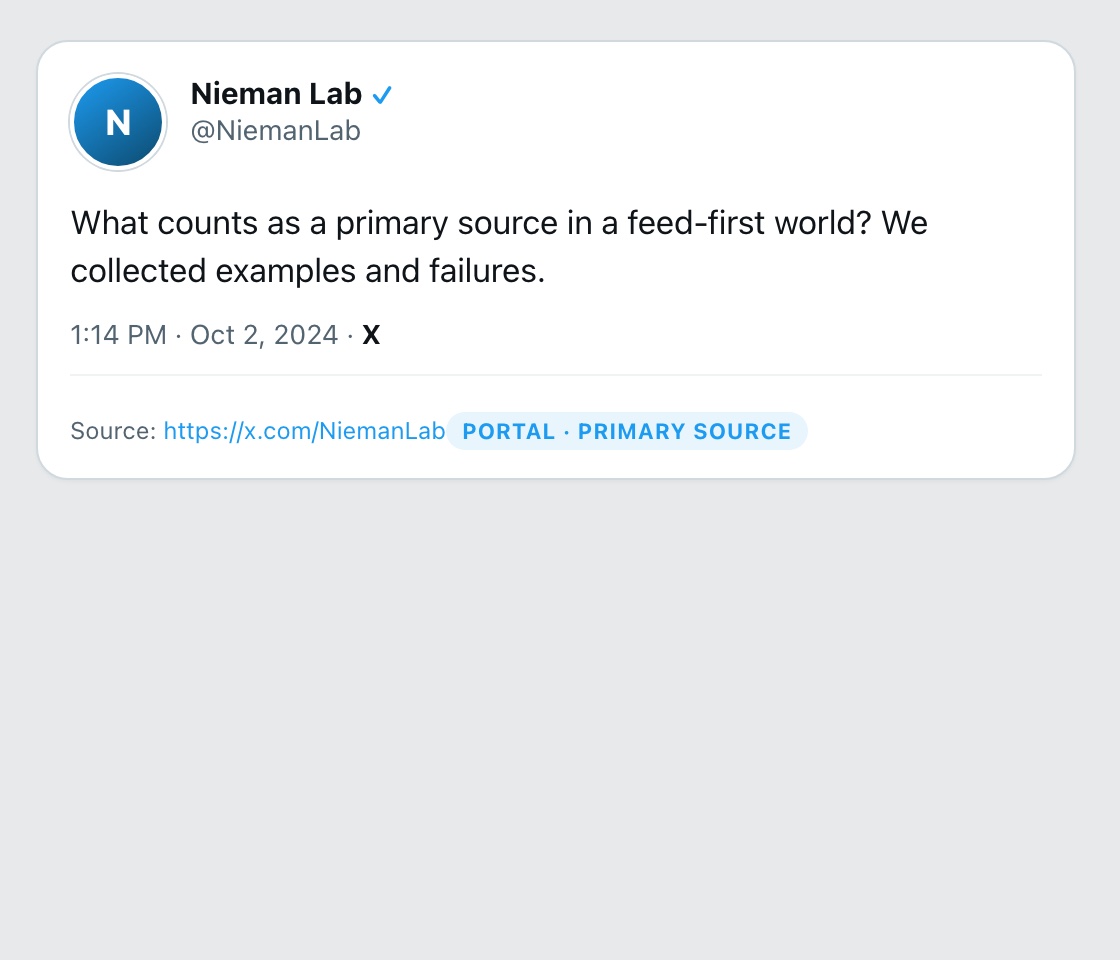
To combat this trend of selective interpretation, we must prioritize engagement with primary sources. These documents, whether they are government reports, academic studies, or raw data sets, provide the foundation for informed debate. They allow us to cut through the noise and assess the validity of claims made by politicians and pundits alike.
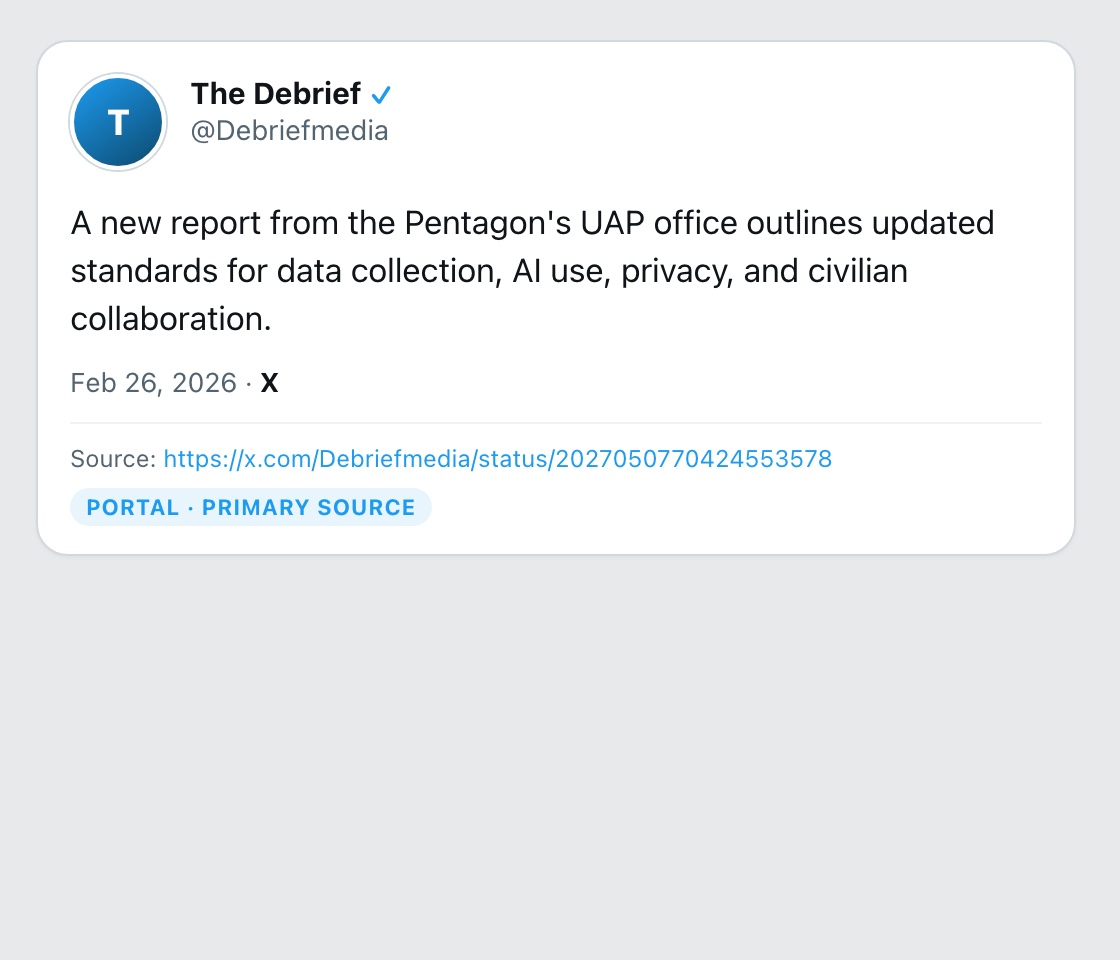
Furthermore, understanding how to read and interpret these sources is critical. Statistics can be manipulated in myriad ways, from cherry-picking data to misleading visual representations. A responsible reader must ask questions: What methodology was used? Who conducted the research? What biases might the authors have? These considerations are essential for anyone looking to form a well-rounded opinion based on facts rather than rhetoric.
Bridging the Divide
As we navigate this complex landscape, it is important to recognize that both sides of the political spectrum have their own narratives that can obscure the truth. The left may emphasize social justice and equity, while the right often prioritizes economic growth and personal responsibility. Both viewpoints are valid, but when they devolve into extreme positions, the potential for meaningful dialogue diminishes.
By focusing on empirical evidence and primary sources, we can foster a more constructive conversation. It is possible to advocate for social change while also recognizing the importance of economic realities. Similarly, one can support fiscal conservatism without dismissing the need for social programs that aid the most vulnerable among us.
Conclusion: The Power of Knowledge
In this age of information overload, the responsibility falls on each of us to sift through the noise and find the truth. Engaging with primary sources is not merely an academic exercise; it is a civic duty. By doing so, we empower ourselves to participate in the democratic process with a clearer understanding of the issues at hand, rather than being swayed by sensationalized narratives.
As we approach a pivotal moment in American politics, let us commit to reading the data and understanding the context behind it. Only then can we hope to bridge the divide and engage in a more rational, informed discourse that serves the best interests of our society as a whole.
✦ ✦ ✦