From the file. Written for the paper dated September 2018. Opened in the public stacks July 14, 2026.
Hospital costs in the United States have become a contentious topic, sparking debates across the political spectrum. As we delve into the numbers, it is essential to separate fact from fiction to understand the true landscape of healthcare expenses.

The Rising Tide of Hospital Expenses
Over the past decade, hospital costs have escalated significantly, often cited as a primary contributor to the rising burden of healthcare on American families. A recent report from the American Hospital Association reveals that hospital expenses have increased by over 20 percent since 2010. Critics argue that this growth is unsustainable and indicative of a system in crisis.
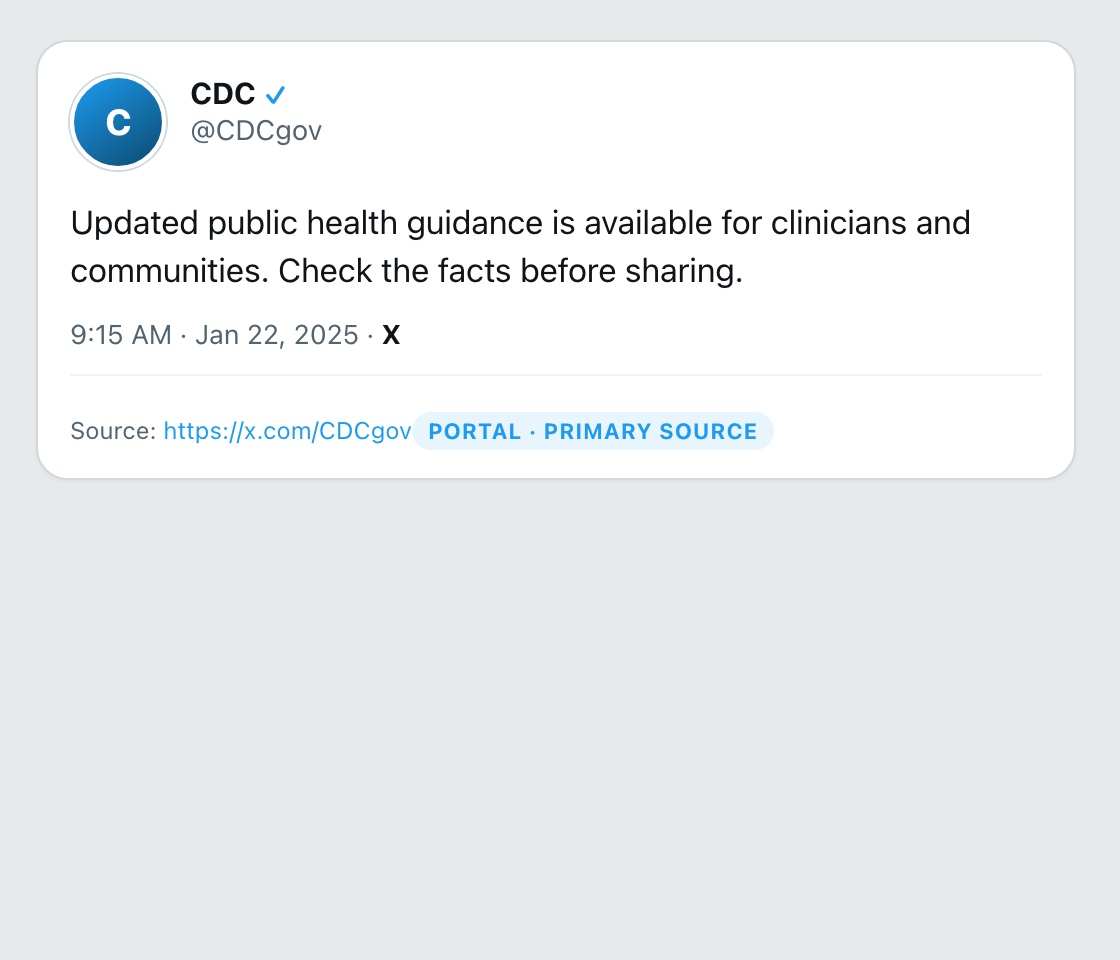
However, while the numbers are alarming, they do not tell the whole story. The rising costs can be attributed to several factors, including advances in medical technology, an aging population, and the increasing prevalence of chronic diseases. These elements drive up the demand for services, forcing hospitals to invest in new equipment and treatments, ultimately leading to higher costs passed on to patients.

Understanding the Data
One common criticism from the left is that hospitals are prioritizing profits over patient care. The data does show that many hospitals have substantial operating margins; however, it is crucial to consider the context. Hospitals often operate on thin margins, and many community-based facilities struggle to stay afloat. The complexities of insurance reimbursement rates and the high costs associated with uninsured patients contribute to the financial strain on hospitals.
“We have to balance the need for profitability with the obligation to provide care for everyone.”
On the flip side, some voices on the right argue that government intervention and regulation are the root causes of these rising costs. They point to layers of bureaucracy and red tape as impediments that inflate hospital expenses. While it is true that regulations can add costs, the notion that deregulation alone would solve the problem is overly simplistic. A healthcare market left entirely to its own devices may lead to exploitation and further disparities in access to care.
Price Transparency: A Double-Edged Sword
One proposed solution for addressing hospital costs is increased price transparency. Advocates argue that if patients have access to clear pricing information, they can make more informed choices about their care. This could potentially foster competition among hospitals, driving prices down.
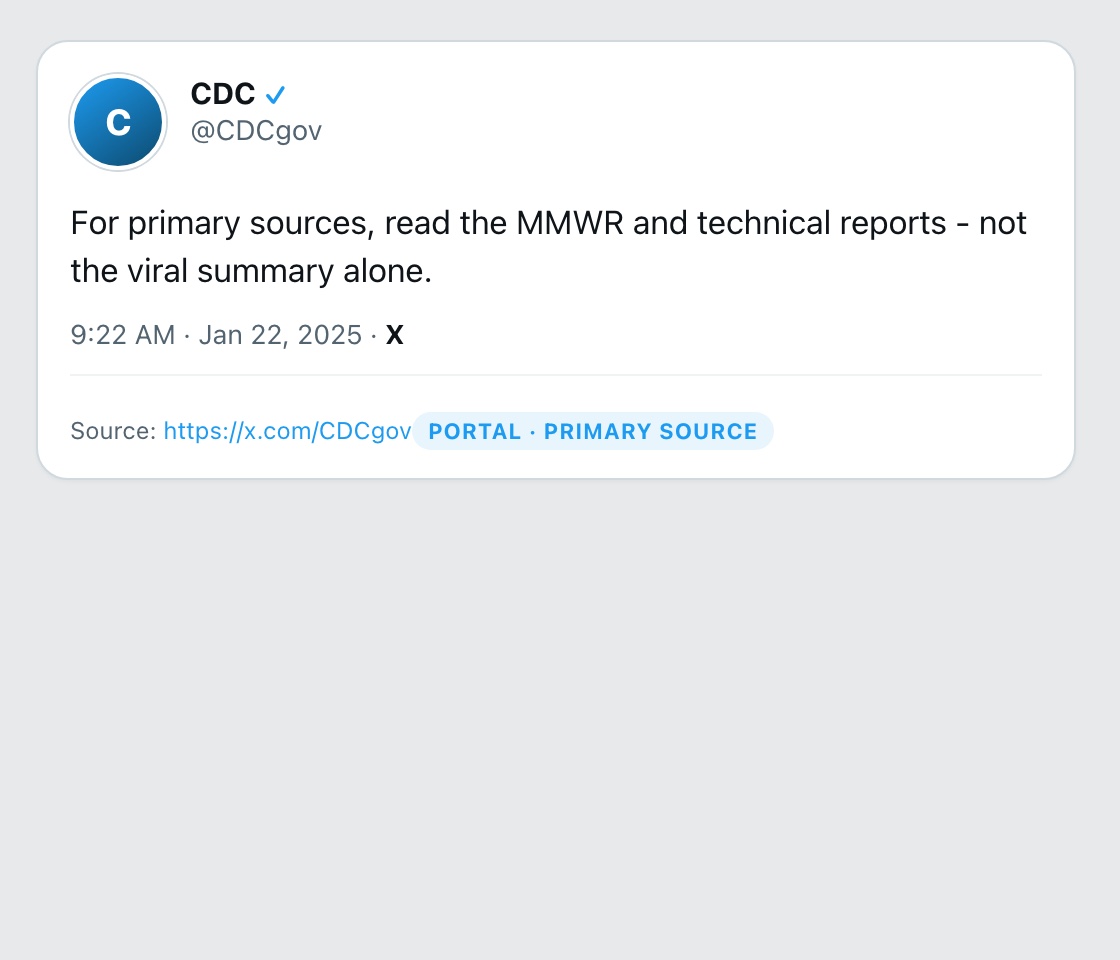
Yet, while transparency is a noble goal, its implementation is fraught with challenges. For one, many healthcare services are highly variable, and prices can differ greatly depending on a patient’s specific needs and the complexity of their case. Moreover, requiring hospitals to disclose prices without a robust framework for understanding those costs can lead to confusion and frustration for patients rather than empowerment.
The Role of Insurance Companies
Insurance companies also play a critical role in the dynamics of hospital pricing. Many patients are unaware of how much their insurance plans cover, and this lack of understanding often leaves them vulnerable to unexpected bills. Critics are rightly concerned that insurance companies may prioritize their bottom line over the best interests of patients. However, it is essential to recognize that the insurance landscape is complicated, and not all companies operate in the same manner.
Moreover, the debate often overlooks the fact that insurance is not a panacea. Even with coverage, many patients find themselves burdened with high deductibles and out-of-pocket costs that can be financially crippling. This reality highlights the need for comprehensive reform that addresses both hospital costs and insurance practices.
Policy Solutions Moving Forward
As we consider potential policy solutions, it is vital to engage in a balanced dialogue that includes perspectives from both sides of the aisle. The left often calls for single-payer systems or universal coverage, arguing that these models could streamline costs. Conversely, the right advocates for market-driven approaches that promote competition and innovation.
While each approach has its merits, a nuanced strategy that incorporates elements from both sides may be the most effective way to address hospital costs. For instance, a mixed model that ensures coverage for all while promoting competition among providers could strike the right balance.
Ultimately, the conversation surrounding hospital costs must move beyond partisan rhetoric. By focusing on collaborative solutions that address the root causes of rising expenses, we can work towards a healthier and more equitable healthcare system for all Americans.
✦ ✦ ✦