From the file. Written for the paper dated August 2018. Opened in the public stacks July 14, 2026.
As the midterm elections approach, the topic of redistricting has risen to the forefront of political discourse, generating fervent debates across the country. The stakes are high, with both major parties vying for a tactical advantage in shaping electoral boundaries that could determine control of Congress for the next decade.
Understanding Redistricting
Redistricting occurs every ten years after the census and involves redrawing the boundaries of electoral districts. This process is intended to ensure fair representation based on population shifts. However, it has become increasingly politicized, with instances of gerrymandering - where districts are drawn to favor one party over another - growing more common. Both sides of the aisle have been accused of manipulating district lines to secure their political power.

The Current Landscape
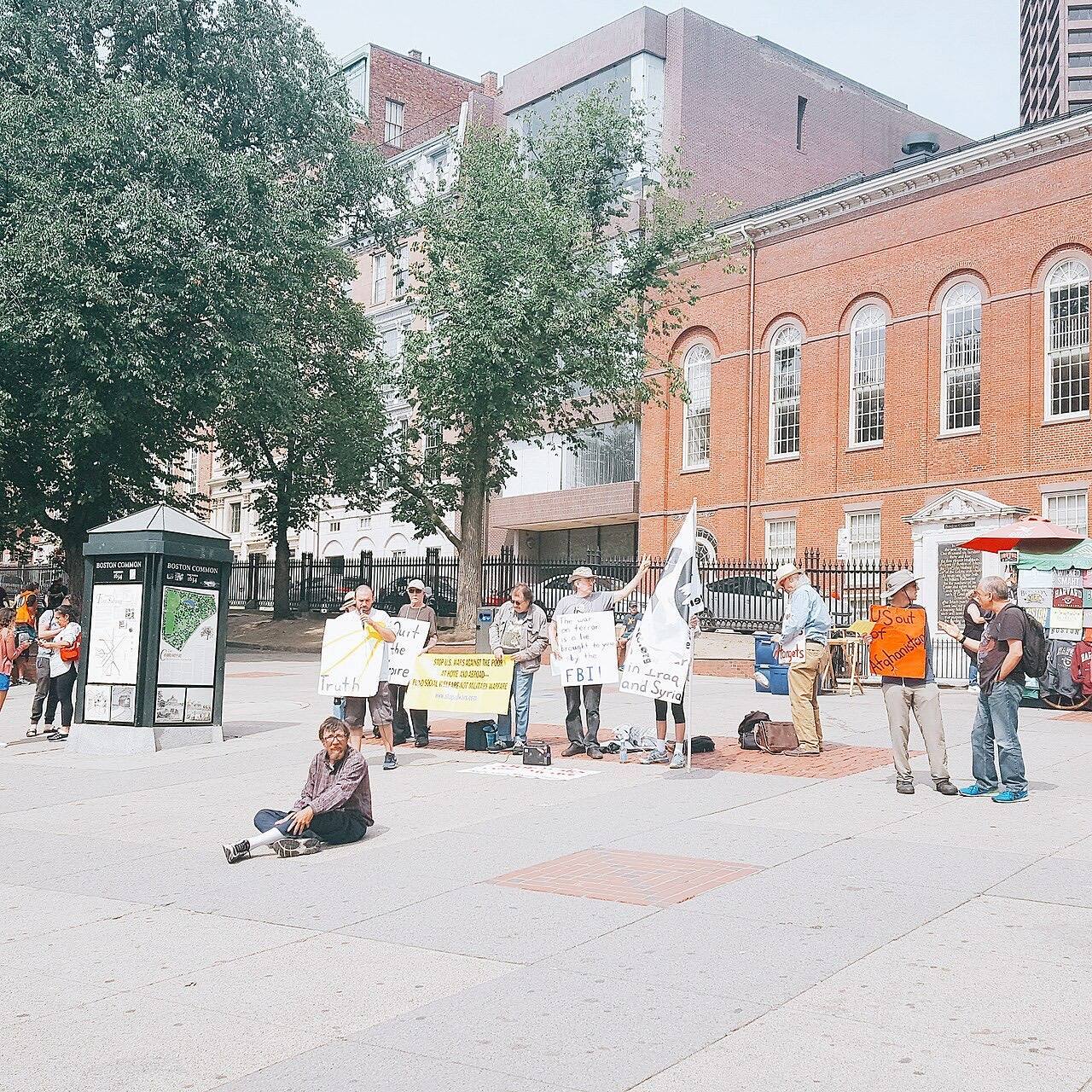
As we stand in August 2018, the nation is witnessing a political climate rife with division. On one side, Democrats are mobilizing against perceived Republican overreach in redistricting, while Republicans are defending their actions as necessary for maintaining political control. This tug-of-war has led to a proliferation of certainty among voters who feel compelled to align with one party or the other, often without questioning the underlying motives.
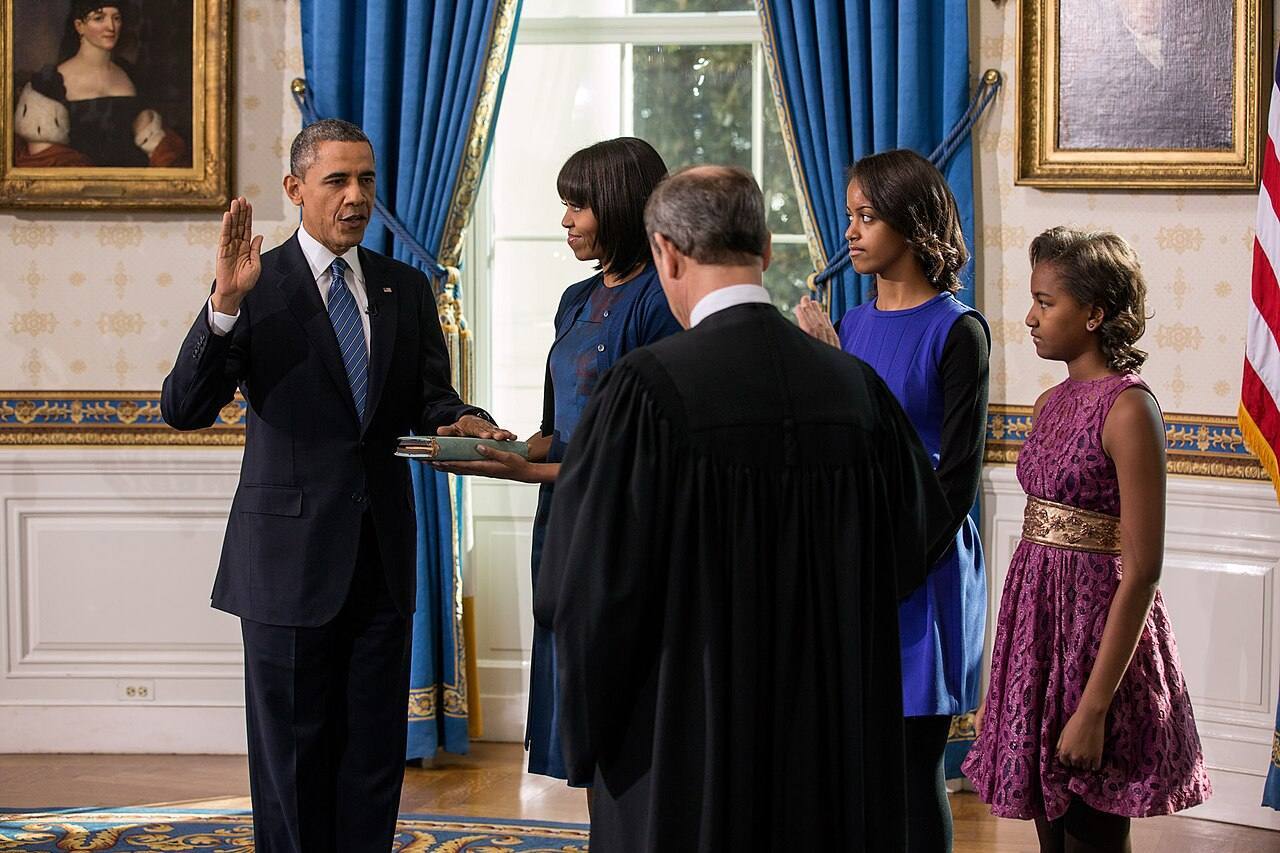
"Redistricting should be about fair representation, not partisan advantage."
Left-Wing Certainty
On the left, there is a palpable sense of urgency among progressives to dismantle what they view as the Republican stranglehold on redistricting practices. Activists argue that the current maps unfairly dilute votes and disenfranchise communities, particularly in urban areas where diversity and progressive values thrive. The Democratic Party is rallying behind initiatives to promote independent commissions for redistricting, which they argue could reduce partisanship and ensure a more equitable process.
However, this push for reform can sometimes veer into excessive rhetoric, with some progressives painting all Republicans as villains in the redistricting saga. This creates an oversimplified narrative that neglects the nuances of the issue. Not every Republican supports gerrymandering, and not every Democrat is an innocent bystander in this game of political chess.
Right-Wing Resistance
Conversely, Republicans are staunchly defending their redistricting strategies, claiming they are essential to maintaining competitiveness in a landscape that increasingly favors Democrats. Many on the right argue that the Democratic push for reform is a thinly veiled attempt to undermine their electoral successes. They assert that the party's real goal is to gain an advantage by changing the rules of the game, rather than engaging in legitimate political competition.

This narrative, however, often ignores the broader implications of gerrymandering. While it is true that party interests drive both sides, it is crucial to recognize that the health of democracy itself is at stake. The more entrenched each side becomes in their respective narratives, the less likely they are to engage in constructive dialogue about potential reforms that could benefit the electorate as a whole.
The Middle Ground
What is increasingly evident is that the discourse surrounding redistricting has become polarized, with both sides entrenched in their positions. This polarization is detrimental not only to the political process but also to the American public, who are left to navigate a system that increasingly feels rigged against them.
Political certainty, while comforting to many, often comes at the cost of critical thinking and compromise. It is essential to recognize that the issue of redistricting transcends party lines. A healthy democracy relies on the ability of its citizens to engage in meaningful discussions about the structures that govern them, rather than succumbing to the allure of team jerseys that only serve to further divide.
Looking Ahead
As we approach the 2018 midterms, the conversation around redistricting is more relevant than ever. The outcomes of these elections could very well shape the political landscape for years to come. The challenge lies in encouraging voters to move beyond party allegiance and to demand accountability and transparency in the redistricting process.
Ultimately, the future of American democracy hinges on our ability to engage in thoughtful discourse about the systems that govern us. It is not merely a battle of left versus right; it is a collective responsibility to ensure that every voice is heard and represented fairly.
✦ ✦ ✦