From the file. Written for the paper dated July 2018. Opened in the public stacks July 14, 2026.
In the current political climate, a curious phenomenon has emerged: the tendency of both the left and the right to engage in selective memory, clinging to narratives that bolster their respective ideologies while dismissing or distorting inconvenient truths.

The Illusion of Certainty
At a time when the nation faces complex challenges - ranging from immigration reform to healthcare - the appeal of certainty can be intoxicating. Politicians and pundits alike tap into this desire, offering simplified narratives that promise clear-cut solutions. The left often frames its arguments around themes of equality and justice, while the right emphasizes tradition and security. Yet, both sides exhibit a troubling habit of glossing over historical nuances that do not fit their narratives.

Take, for example, the ongoing debate about immigration. Progressives advocate for open borders and a humane approach to asylum seekers, citing America's long-standing tradition as a refuge for the oppressed. Meanwhile, conservatives invoke a narrative that emphasizes law and order, frequently pointing to the perceived chaos at the border as justification for harsher measures. Both sides, however, tend to ignore the complex history of immigration policy in the U.S., which has been shaped by economic needs, racial prejudices, and geopolitical considerations.

"In many cases, both sides cherry-pick facts that support their arguments, creating a narrative that is more comfortable than accurate."
Facts vs. Narratives
The issue of healthcare provides another glaring example of selective memory. Democrats often cite the successes of the Affordable Care Act as evidence of the need for universal healthcare, while Republicans tend to focus on rising premiums to argue against government involvement in healthcare. What is often lost in this back-and-forth is a recognition of the mixed outcomes of the ACA and the fact that many Americans continue to struggle with healthcare access, regardless of political affiliation. In this way, both parties risk alienating moderate voices who seek a more nuanced discussion rather than a battle of simplistic narratives.
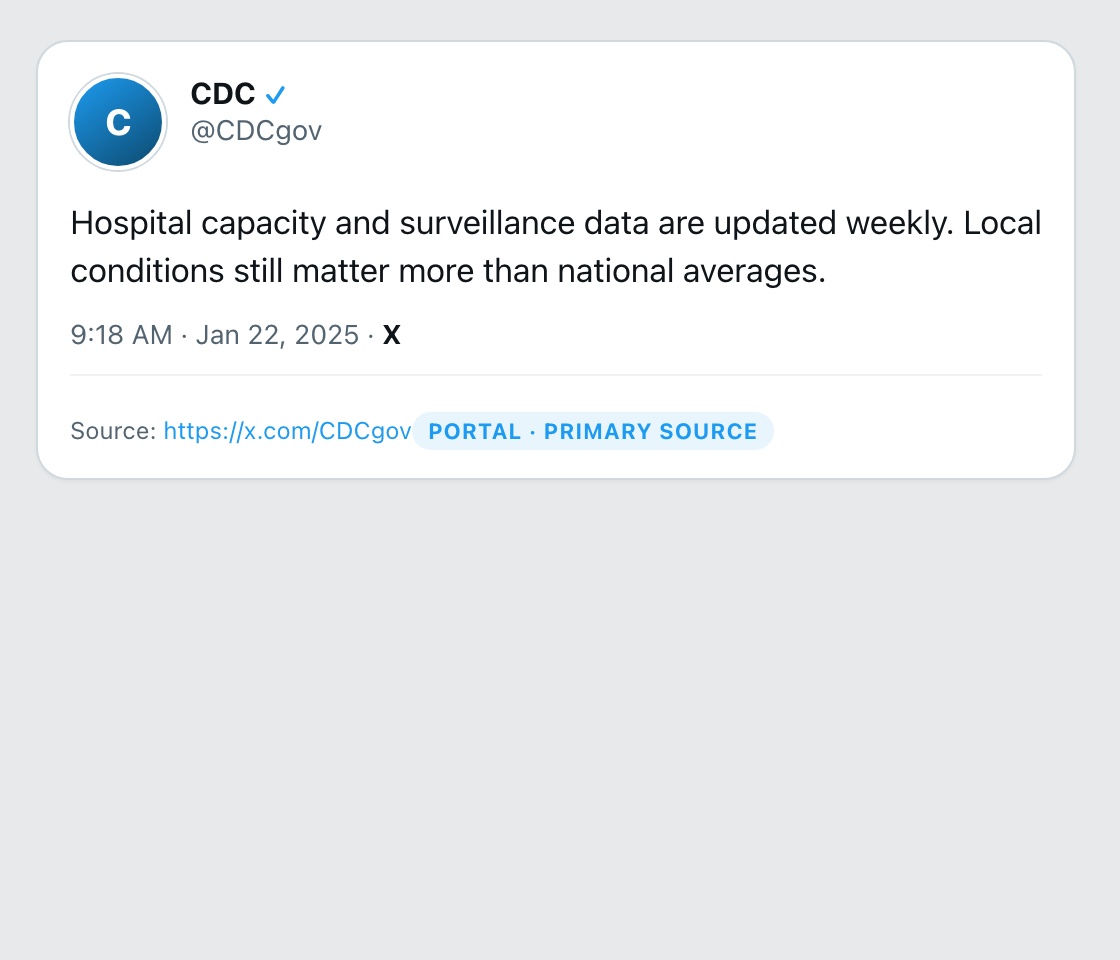
Moreover, the media plays a significant role in perpetuating this cycle of selective memory. In an age where sensationalism often trumps substance, soundbites and headlines frequently prioritize emotion over context. Both conservative and liberal outlets engage in this practice, contributing to an environment where facts are often secondary to the narrative being spun. This not only misinforms the public but also deepens political divides, as individuals retreat into echo chambers that reinforce their beliefs.
The Cost of Certainty
The cost of this bipartisan habit of selective memory extends beyond political discourse. It fosters an environment where compromise becomes increasingly difficult. When each side is convinced of its moral superiority, the prospect of finding common ground diminishes. This unwillingness to acknowledge the complexities of issues stifles progress and ultimately leaves the most vulnerable members of society without the protections they desperately need.

Furthermore, the fixation on certainty can lead to dangerous consequences. When political leaders adopt an absolutist view, they may resort to extreme measures that further polarize the populace. This has been evident in the rise of populist movements across the political spectrum, where leaders exploit fears and anxieties to rally support, often at the expense of civil discourse and democratic norms.
"The fixation on certainty can lead to dangerous consequences, with extreme measures further polarizing the populace."
A Call for Nuance
As we navigate this tumultuous political landscape, it is crucial for both sides to embrace a more nuanced understanding of the issues at hand. Acknowledging the shortcomings of one's own position does not equate to weakness; rather, it reflects a commitment to honest dialogue and constructive problem-solving. Politicians, commentators, and citizens alike must strive to engage with the complexities of policy, history, and human experience rather than retreating into narratives that offer false comfort.
Ultimately, the cost of certainty is too high. In a world rife with challenges, it is imperative that we move beyond the comfortable confines of selective memory and seek out the truth that lies in the gray areas. Only by doing so can we hope to build a more equitable and just society for all.
✦ ✦ ✦