From the file. Written for the paper dated May 2018. Opened in the public stacks July 14, 2026.
The ongoing backlog within the Department of Veterans Affairs (VA) has become a pressing issue, drawing criticism from both sides of the political spectrum. As the nation grapples with how best to care for its veterans, the debate often spirals into extremes, obscuring the nuanced reality of the situation.
Understanding the Backlog
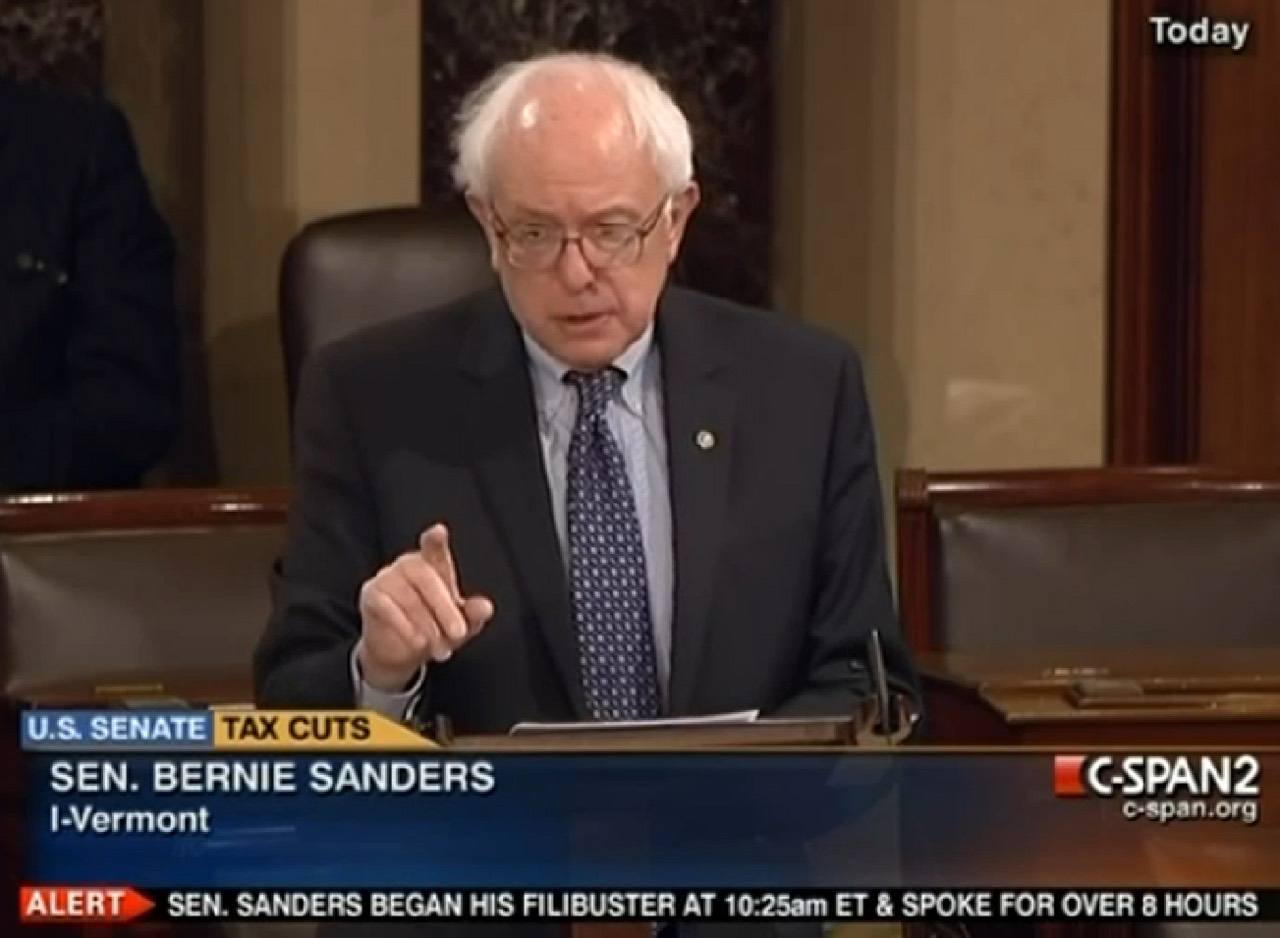
The VA backlog, which has persisted for years, is a symptom of deeper systemic issues within the agency. As of May 2018, reports indicate that veterans are waiting an average of several months to receive decisions on their claims. This delay is not just an administrative inconvenience; it impacts the well-being of those who have served our country, many of whom are aging and suffering from service-related injuries.
On one end of the spectrum, some politicians argue that the VA needs to be completely overhauled or even privatized. They claim that the government cannot effectively manage veterans' healthcare and that the solution lies in transferring responsibilities to the private sector. This perspective, while seemingly attractive to advocates of limited government, overlooks the complexities of veterans' needs and the unique challenges they face in transitioning to civilian life.

Conversely, there are those who advocate for increased funding and expansion of VA services, often without acknowledging the inefficiencies that have plagued the agency for years. The assumption that simply pouring more money into the system will resolve the backlog ignores the operational failings that need addressing. It is essential to reimagine how the VA functions rather than merely increasing its budget.
“The debate on veterans' care should not be a partisan battleground but a united front to improve lives.”
Political Responses
The response from lawmakers has been varied, with some focusing on short-term fixes while others propose broader reforms. Recent initiatives have included attempts to streamline the claims process and enhance staffing at the VA. However, these efforts often amount to band-aid solutions that fail to tackle the underlying causes of the backlog.
Critics on the left argue for comprehensive reforms, emphasizing the necessity of a robust public healthcare system that prioritizes veterans’ needs. Yet, their rhetoric can sometimes come off as overly idealistic, failing to engage with the practical realities of implementing such sweeping changes. Meanwhile, those on the right push for privatization, often without considering the potential consequences for veterans who may struggle to navigate a fragmented private healthcare system.

Finding Common Ground
In an ideal world, the conversation surrounding veterans' affairs would steer clear of partisan divides. Instead of framing the issue as a battle between right and left, we should recognize it as a shared responsibility. Veterans have sacrificed for their country, and it is incumbent upon us to ensure they receive the care and support they deserve.
One potential path forward involves fostering collaboration between public and private sectors to create a more integrated approach to veterans' healthcare. This could entail leveraging private partnerships to enhance services while maintaining the VA’s core mission. By combining resources and expertise, we could work toward reducing the backlog and improving care for veterans without resorting to the extremes of either side.
Conclusion
The veterans affairs backlog is not merely a bureaucratic issue; it is a human one that affects real lives. As we move forward, it is vital to remain focused on solutions that prioritize the well-being of veterans rather than allowing partisanship to dictate our approach. By seeking common ground and acknowledging the complexities of the situation, we can work towards meaningful reform that truly serves those who have served us.
✦ ✦ ✦