From the file. Written for the paper dated May 2018. Opened in the public stacks July 14, 2026.
This week, the excitement surrounding space exploration reached new heights as several key launches were scheduled, showcasing both the promise and the challenges of humanity's ventures beyond Earth.

Balancing Ambition and Reality
In an era where both governmental and private entities are vying for dominance in the final frontier, the recent announcements of various space missions paint a picture of a rapidly evolving landscape. NASA's planned launch of the InSight lander to Mars is a significant step in understanding our neighboring planet's geology and climate. Alongside this, SpaceX continues to push the envelope with its Falcon 9 rocket, which aims to reduce the costs associated with space travel.

However, amid the excitement, it is essential to address the excesses that have begun to emerge from both sides of the political spectrum. On one hand, the fervor of private companies like SpaceX has led some advocates to suggest that the commercialization of space will single-handedly solve issues like climate change and overpopulation. The idea that private enterprise can replace governmental oversight in space exploration is an oversimplification that ignores the complexities involved.
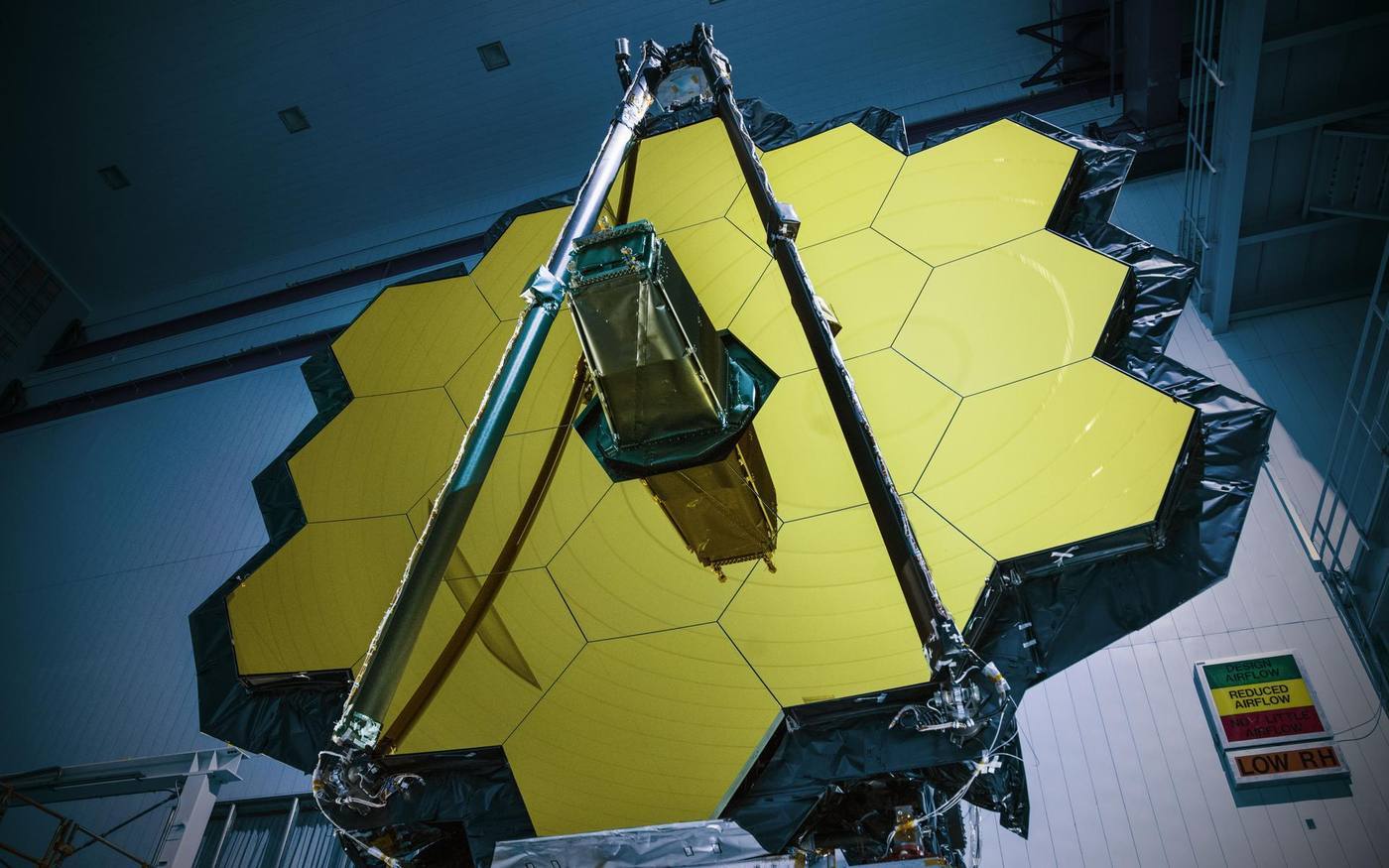
Conversely, the more traditional voices in the scientific community often express concerns over the privatization of space. They argue that without strict regulations and oversight, crucial scientific missions could be jeopardized by profit-driven motives. This reactionary stance can sometimes overlook the potential for innovation and collaboration that private companies bring to the table.
The Role of Public Perception
Public interest in space exploration has surged, fueled by educational programs and media portrayals. Yet, this enthusiasm can sometimes foster unrealistic expectations. The public's desire for immediate results can clash with the scientific community’s understanding that exploration is often a slow and meticulous process.
"Space exploration is not about instant gratification; it is about laying the groundwork for future generations."
As we celebrate the ambitious plans for interplanetary exploration, we must also temper our excitement with the understanding that these missions require time, funding, and a commitment to scientific integrity. It is vital for both supporters and critics to engage in a balanced discourse that appreciates the nuances of space exploration.
Looking Forward: The Need for Collaboration
The future of space exploration will undoubtedly require collaboration between public agencies and private companies. While it is understandable for the government to want to maintain oversight, it is equally important to leverage the innovative spirit of private enterprises. The recent tension between these two entities could hinder progress if not addressed with a spirit of cooperation.
As we look forward to the upcoming launches, let us remember that the goal of space exploration transcends political divides. It is a quest for knowledge and discovery that can unite us as a species. To harness the full potential of our endeavors, we must be willing to engage in respectful dialogue and consider perspectives from both sides of the aisle.
A Call for Rational Discourse
In these politically charged times, it is crucial to foster a rational discourse surrounding science and exploration. Both extremes often overlook the fact that science should not be a battleground for ideological wars. The pursuit of knowledge and the exploration of space are inherently apolitical endeavors, deserving of support across the spectrum.
As we witness this new age of exploration unfold, let us strive for a balanced approach that emphasizes collaboration, accountability, and a long-term vision for the future of humanity in space. We can achieve great things, but it requires a commitment from all parties to engage thoughtfully with the challenges and opportunities ahead.
✦ ✦ ✦