From the file. Written for the paper dated May 2018. Opened in the public stacks July 14, 2026.
As discussions around civil service reform intensify, a careful examination of the rhetoric and actions from both sides of the political spectrum reveals a troubling trend of excess that threatens the integrity of public service.

Understanding Civil Service Reform
The debate over civil service reform is gaining traction in Washington, as both political parties grapple with the effectiveness and efficiency of government employees. Proponents argue that reform is essential to modernize a system that they believe has become bloated and resistant to change. Conversely, opponents fear that such reforms could undermine the principles of meritocracy and accountability that have historically defined the civil service.
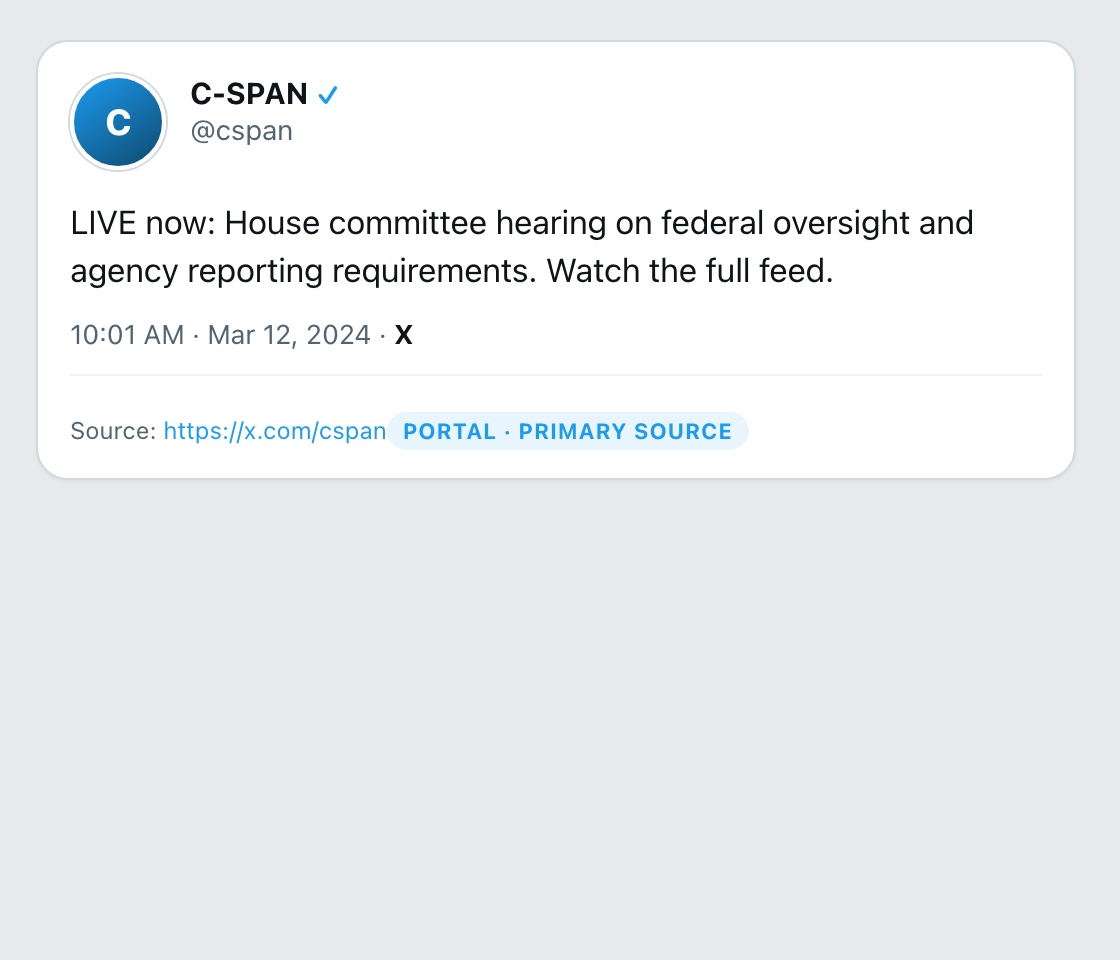
On one side, we see a push from conservative factions advocating for the dismantling of certain protections that civil servants currently enjoy. This approach often frames government employees as part of a larger bureaucratic problem, suggesting that their job security and benefits are emblematic of a wasteful system. The rhetoric is designed to appeal to an electorate frustrated by perceived inefficiencies in government, but it risks oversimplifying a complex issue. By casting civil servants as the enemy, reform advocates may overlook the dedication and expertise that many bring to their roles.

Meanwhile, the left responds with a defensive posture, emphasizing the importance of protecting workers' rights within the civil service. They argue that any attempt at reform is simply a veiled effort to undermine labor unions and erode job security. This reaction, however, sometimes leads to an overly emotional response that can stifle necessary conversations about improving government operations. The left’s insistence on preserving the status quo, without acknowledging areas for improvement, does a disservice to the very workers they seek to protect.

The Middle Ground: Seeking Solutions
In this charged atmosphere, it is crucial to seek a middle ground that balances the need for reform with the protection of workers’ rights. A thoughtful approach to civil service reform should focus on enhancing efficiency while also recognizing the value of a stable and skilled workforce. This involves finding ways to streamline operations and eliminate redundancies without resorting to drastic measures that could destabilize the workforce.
"A thoughtful approach to civil service reform should focus on enhancing efficiency while also recognizing the value of a stable and skilled workforce."
One possible solution lies in targeted reforms that address specific inefficiencies rather than sweeping changes that could jeopardize job security. For example, investing in training programs for civil servants can lead to improved performance while also demonstrating a commitment to employee development. Additionally, leveraging technology to enhance service delivery can streamline processes and improve outcomes for the public.

Another important aspect of reform is increasing transparency and accountability within the civil service. Establishing clear performance metrics and regular evaluations can help identify areas for improvement and ensure that government employees are held to high standards. This approach not only benefits the public but also fosters a culture of excellence among civil servants.
The Role of Public Opinion
Public sentiment plays a significant role in shaping the discourse around civil service reform. As citizens express frustration with government inefficiencies, it is essential for leaders on both sides to listen and respond thoughtfully. Engaging in open dialogues can help demystify the workings of the civil service and build trust between the public and government employees.
Moreover, it is vital to recognize that the civil service is not a monolithic entity. It encompasses a diverse range of roles and responsibilities, each contributing to the overall function of government. Generalizing the entire workforce as ineffective overlooks the dedication of countless individuals committed to public service.
A Call for Balanced Discourse
As we navigate this critical conversation about civil service reform, it is imperative that both sides avoid falling into the traps of excess. The right should refrain from demonizing civil servants, recognizing that their expertise is invaluable to effective governance. The left, on the other hand, must be open to discussions about reform that can enhance efficiency without compromising worker rights.
In conclusion, civil service reform is not merely a political issue; it is a matter that impacts the lives of millions of Americans who rely on government services every day. By fostering a balanced discourse that encourages collaboration rather than division, we can move toward a more effective and equitable civil service system.
✦ ✦ ✦