From the file. Written for the paper dated April 2018. Opened in the public stacks July 14, 2026.
The backlog of claims at the Department of Veterans Affairs (VA) remains a pressing concern, yet the systemic issues fueling this crisis are often swept under the rug in favor of partisan bickering.
The Unseen Crisis
As April 2018 unfolds, the issue of the veterans affairs backlog continues to plague the nation, affecting countless men and women who have served their country. With reports indicating that hundreds of thousands of claims are pending, it is crucial to address not only the numbers but the deeper procedural issues that contribute to this crisis. Both sides of the political aisle have their own narratives, but few are willing to confront the uncomfortable truths that lie beneath the surface.

Political Posturing
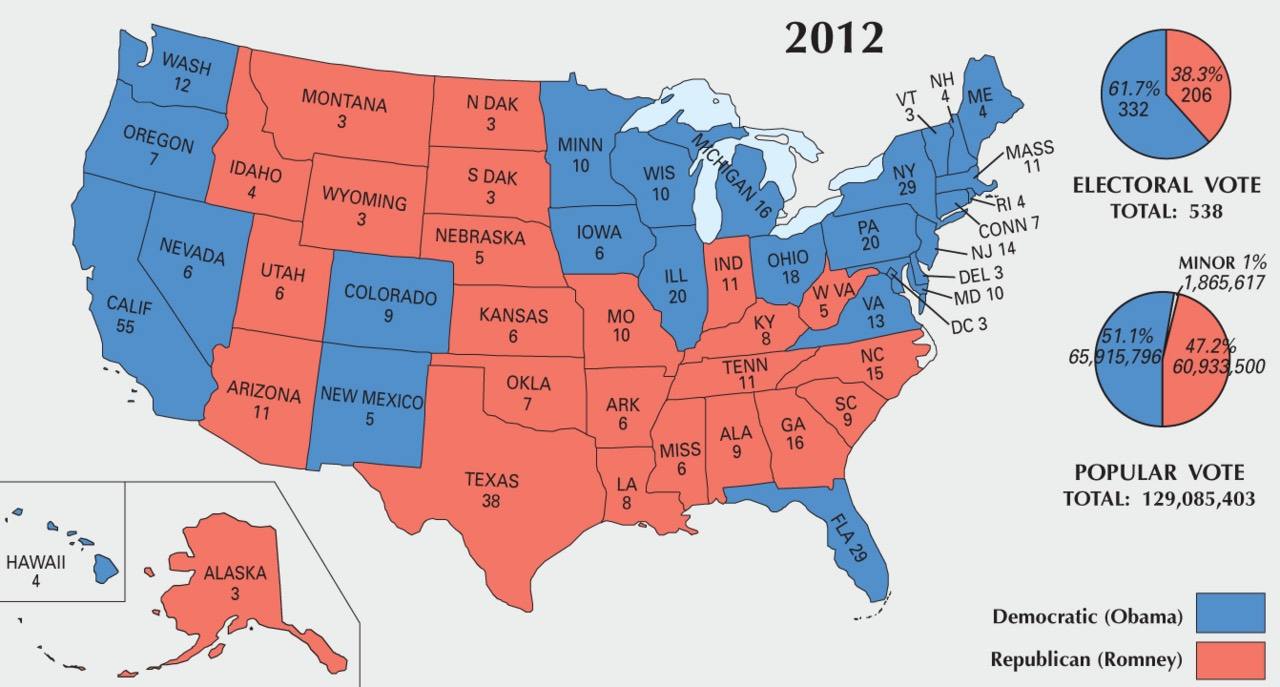
In recent months, we have witnessed a surge in political theatrics surrounding veterans' issues. On one side, Democrats have taken a traditional stance, calling for increased funding and resources for the VA. Meanwhile, Republicans have countered with proposals aimed at privatization, suggesting that competition with private healthcare providers could alleviate the backlog. However, this oversimplification of the issue fails to address the fundamental flaws in the VA's operational structure.
"Both parties must confront the underlying issues instead of leaning on partisan rhetoric."
What is often ignored in this debate is that the VA's bureaucracy is laden with inefficiencies that cannot be resolved by merely throwing money at the problem or shifting responsibility to the private sector. The culture within the VA has been resistant to change, and the layers of administrative red tape have only exacerbated the situation. Both parties must confront the underlying issues instead of leaning on partisan rhetoric.
The Human Toll
The backlog of claims is not just a statistic; it represents real lives and real suffering. Veterans waiting for months - and in some cases years - are not merely numbers in a report; they are individuals seeking the benefits they earned through their service. The impact of this backlog extends beyond financial assistance, affecting mental health, access to healthcare, and the overall quality of life for these individuals. The human toll of this crisis cannot be overstated.
Procedural Inertia
At the core of the backlog issue lies a procedural inertia that hinders progress. The claims process is convoluted, with multiple steps that often lead to confusion and delays. Veterans frequently find themselves trapped in a labyrinthine system, where their claims are lost, mismanaged, or simply left unattended. This lack of accountability has fostered an environment where veterans' needs are secondary to the system's own bureaucratic survival.

Solutions Beyond Politics
What we need now is a collaborative approach, one that transcends party lines. Advocating for comprehensive reforms that streamline the claims process and enhance transparency is vital. This includes investing in technology that can simplify the submission and tracking of claims, as well as providing better training for VA employees to ensure they are equipped to handle claims efficiently.
Moreover, it is essential to engage veterans themselves in the conversation about how to improve the system. Their firsthand experiences can provide invaluable insights into the specific pain points that need addressing. Creating a task force that includes veterans, VA employees, and policy experts could pave the way for innovative solutions that prioritize the needs of those who have served.
A Call to Action
The veterans affairs backlog is a multifaceted problem that requires a multifaceted solution. It is time for both parties to put aside their differences and focus on what truly matters: the well-being of our veterans. This is not just a political issue; it is a moral obligation. We owe it to those who have sacrificed so much to ensure that they receive the care and benefits they deserve.
As we reflect on the state of veterans affairs in April 2018, let us remember that this is not merely a bureaucratic issue. It is a humanitarian crisis that impacts the lives of real people. We must demand accountability from our leaders and advocate for meaningful change that addresses the root causes of the backlog.
✦ ✦ ✦