From the file. Written for the paper dated March 2018. Opened in the public stacks July 14, 2026.
The aftermath of the recent State of the Union address has once again ignited the flames of political discourse across the nation. Yet, beneath the superficial noise of partisan bickering, there lies a boring but essential mechanism that drives our political conversations.
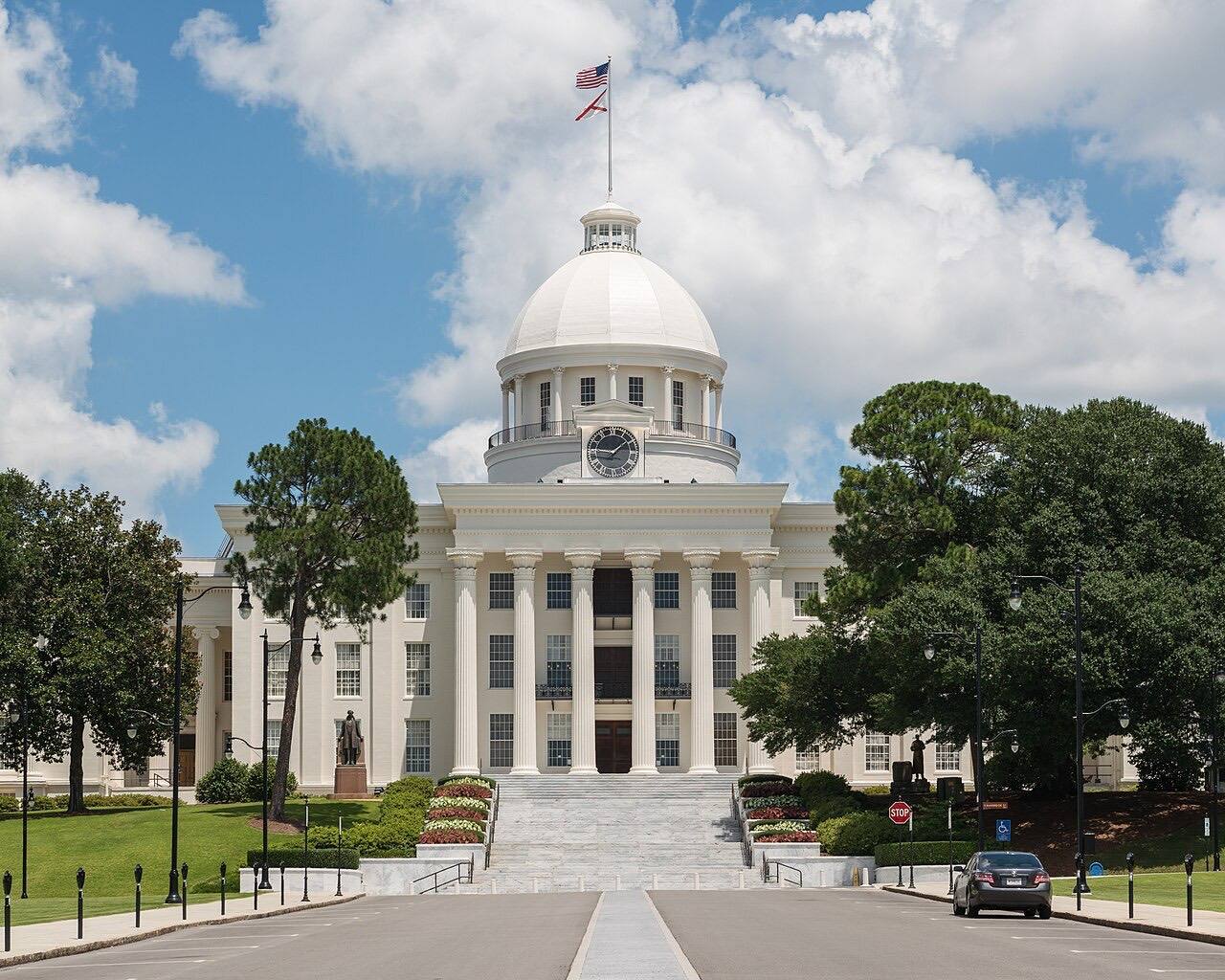
The Ritual of Response
Each year, the State of the Union speech serves as a meticulously crafted showcase of presidential priorities and a grand opportunity for the opposition party to respond. This year was no different. The President's address was filled with sweeping declarations and bold promises, while the Democratic rebuttal offered a counter-narrative filled with critiques and alternative visions. However, as is often the case, the substance of these messages is drowned out by the cacophony of partisan outrage and media soundbites.
The ritual of response has become almost predictable. The President delivers a speech designed to rally support, while the opposition seeks to highlight failures and missteps. What often gets lost in this back-and-forth is the actual policy discussion that could emerge from these speeches. Instead of a constructive dialogue, we witness a predictable cycle of accusation and counter-accusation.
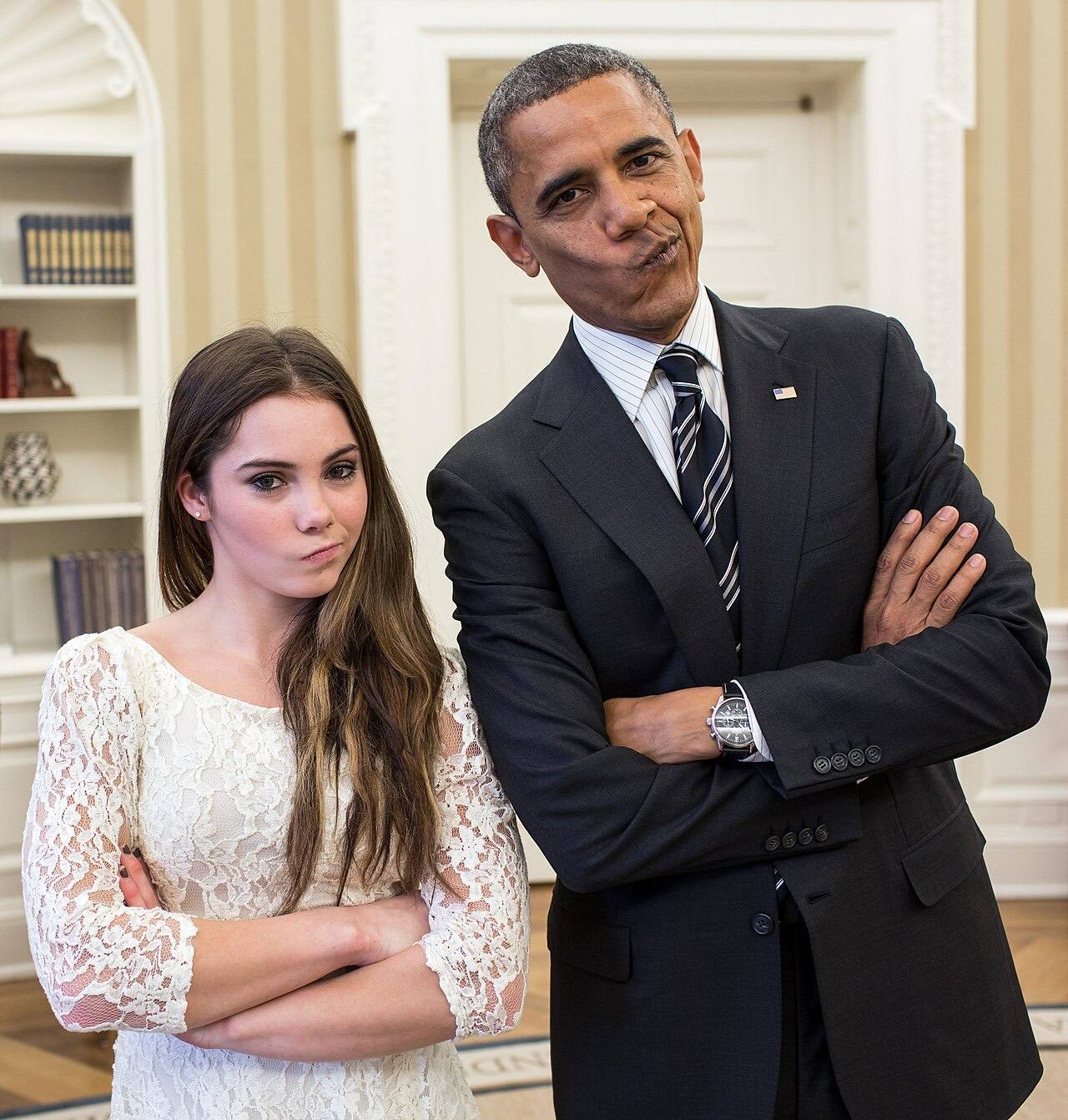
"In the din of political theater, genuine discourse is overshadowed by the theatrics of dissent."
Media Amplification
The role of the media in this process cannot be overstated. Commentators and pundits dissect every word, phrase, and gesture, often stripping away context to fit their narratives. This amplification of soundbites creates an environment where hyperbole reigns supreme, and substantive discussions become increasingly rare. Instead of examining the implications of proposed policies or the validity of the criticisms, the media focuses on the emotional reactions evoked by these speeches.
Both left and right outlets contribute to this phenomenon. Liberal media often emphasizes the emotional resonance of the President's statements, while conservative outlets highlight the flaws in the opposition's arguments. This binary approach to coverage leaves little room for nuanced discussion, further entrenching the divisions that characterize our political landscape.
Partisan Polarization
As we witness the political pendulum swing between the two major parties, the polarization grows more pronounced. The rhetoric from both sides often resembles a battle of identities rather than a debate over policies. Each party is quick to label the other as misinformed or even malicious, leading to an "us versus them" mentality that stifles collaboration and compromise.
The consequences of this polarization are far-reaching. Critical issues such as healthcare, immigration, and infrastructure become battlegrounds where ideology trumps practicality. Instead of working together to find common ground, both parties retreat into their corners, armed with the talking points that resonate with their respective bases.
Seeking Common Ground
Amidst this backdrop of noise and conflict, there remains an opportunity for individuals to seek out common ground. Grassroots movements and local organizations often spring up in response to the national climate, providing a space for dialogue and collaboration outside the confines of party politics. These efforts offer a glimmer of hope amidst the chaos, as citizens come together to address issues that affect their communities directly.
However, these movements struggle to gain traction in the broader political narrative. The attention of the media and the political elite remains fixated on the spectacle of partisan conflict, rendering these grassroots efforts invisible. Until we shift our focus from the noise to the meaningful work being done at the local level, the cycle of division will continue unabated.
Conclusion
The aftermath of the State of the Union address reminds us of the critical importance of engaging with the political process beyond the noise. While the mechanisms of partisanship and media amplification can be disheartening, they also serve as a call to action for those who wish to foster genuine discourse. By prioritizing substance over spectacle, we can begin to bridge the divides that threaten our unity as a nation.
✦ ✦ ✦