From the file. Written for the paper dated March 2018. Opened in the public stacks July 14, 2026.
As the world watches with bated breath, the spectacle of a space launch often overshadows the intricate, and at times mundane, mechanisms that make it all possible. In March 2018, we dive into the less glamorous aspects of space exploration - the engineering and logistics behind these awe-inspiring events.
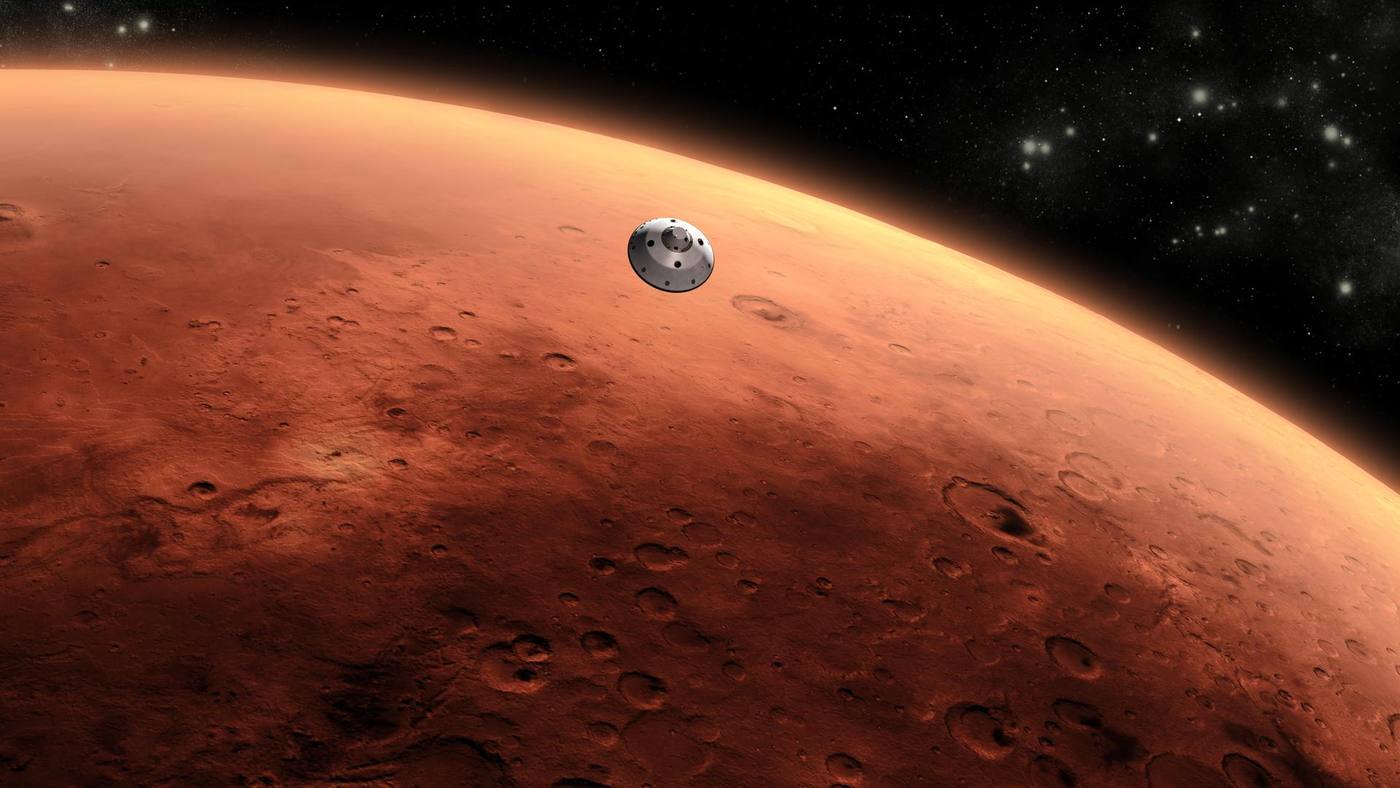
The Mechanics of Launch
When we think of a rocket launch, images of fiery propulsion and breathtaking ascents fill our minds. Yet, behind the spectacle lies a complex orchestration of systems designed to ensure successful missions. The process begins long before the rocket ever ignites its engines. Engineers spend years designing, testing, and refining every component. From the engines that burn rocket fuel to the navigation systems that guide the craft, every piece plays a critical role.

Take the engines, for example. They must withstand extreme temperatures and pressures while producing enough thrust to escape Earth’s gravitational pull. This isn’t just a matter of throwing fuel into a combustion chamber; it involves advanced materials science, thermodynamics, and fluid dynamics. The engineering precision needed is staggering, turning what might seem like a simple ignition into a symphony of scientific achievement.

Logistical Challenges
Alongside the technical aspects, logistical challenges present another layer of complexity. Launch sites must be carefully chosen, often based on geographical and political factors. For instance, proximity to water bodies allows for safer launches, as it minimizes the risk of falling debris. This can complicate matters when it comes to site access and environmental concerns, leading to clashes with local communities and environmental advocates.

“The excitement of a launch often masks the logistical and mechanical challenges that define the success of space missions.”
Moreover, the timeline from concept to launch can span decades. Each delay, whether due to technical failures, funding issues, or political considerations, can be frustrating for both engineers and the public. This frustration is compounded by the media’s penchant for sensationalizing launches, creating a perception that space travel is an easily accessible venture, rather than a complex and costly endeavor.
The Role of Public Perception
Public interest in space exploration is at an all-time high, fueled by commercial ventures and high-profile missions. However, this enthusiasm sometimes leads to unrealistic expectations. The average person may not grasp the rigorous testing and validation processes that precede a launch, viewing it as simply a matter of pressing a button and taking off. This mentality can generate pressure on agencies and companies to deliver results faster, which may compromise safety and thoroughness.

The Balance of Risks
Despite the challenges, the pursuit of space exploration continues to push boundaries. The recent partnerships between government agencies and private companies have opened new avenues for innovation. Yet, this has raised concerns about prioritizing profit over safety. As companies race to be the first to achieve milestones, the pressure to cut corners can lead to tragic consequences. The industry must find a balance between innovation and risk management, ensuring that safety remains paramount.
Critics from both sides of the political spectrum often exaggerate their views on space exploration. The left may argue that resources spent on space could be better allocated to pressing social issues, while the right may champion space as a means of American exceptionalism and military dominance. Both perspectives miss the mark by failing to acknowledge the broader benefits of space exploration, including technological advancements that have practical applications on Earth.
A Future in Space
As we look toward the future of space launches, it is essential to recognize the 'boring' mechanisms that underpin the excitement. The engineers, technicians, and support staff working tirelessly behind the scenes deserve acknowledgment for their contributions. Their efforts ensure that when the countdown reaches zero, it is not just a moment of awe but a celebration of human ingenuity and collaboration.
In conclusion, while the spectacle of a launch captivates audiences worldwide, the reality is far more intricate. From the engineering marvels that power the rockets to the logistical planning that ensures success, every launch is a testament to human determination and creativity. The challenges and complexities should not deter us from the pursuit of knowledge and exploration; instead, they should inspire a deeper appreciation for the work that goes into making the impossible, possible.
✦ ✦ ✦