From the file. Written for the paper dated March 2018. Opened in the public stacks July 14, 2026.
In a world buzzing with technological advancements, the field of materials science often remains overshadowed by flashier disciplines. However, it is precisely the unglamorous mechanics behind the materials we use every day that deserve our attention.

The Backbone of Innovation
Materials science is the study of the properties and applications of materials of all types. From the metals that build our infrastructures to the polymers in our everyday products, materials science is the backbone of innovation. Yet, while it plays a crucial role in the development of new technologies, it rarely garners the spotlight it deserves.

At first glance, it may seem that the science of materials is merely an exercise in chemistry and physics. However, it is much more than that. The interactions at the atomic and molecular levels can lead to significant breakthroughs in various sectors, including electronics, energy, and healthcare. This is where the boring mechanism behind the noise comes into play.
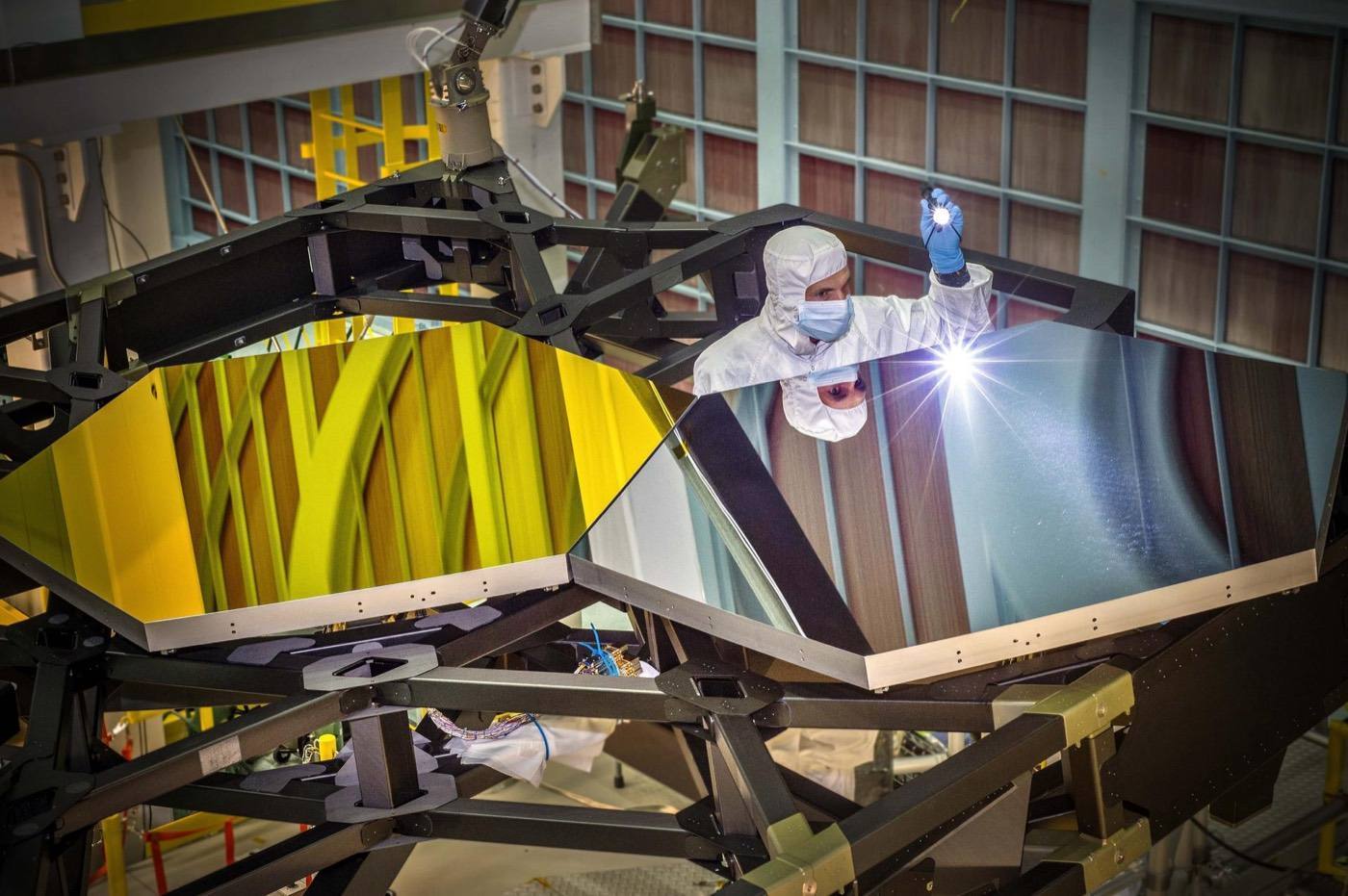
Understanding the Basics
At its core, materials science is about understanding how materials behave under different conditions. This involves not only studying the structure of materials but also their mechanical, thermal, and electrical properties. The goal is to develop materials with desirable characteristics, whether it be strength, flexibility, or conductivity.

The Role of Interdisciplinary Research
One of the most exciting aspects of materials science is its interdisciplinary nature. It draws on knowledge from various fields, fostering collaboration among scientists and engineers. For example, researchers are increasingly exploring nanotechnology, which involves manipulating materials at the atomic level to create new products with enhanced properties.
This interdisciplinary approach is crucial for solving some of the most pressing challenges of our time, such as energy storage and environmental sustainability. Battery technology, for instance, has seen significant advancements thanks to materials scientists working alongside chemists and engineers to develop new, more efficient materials.

"The future of technology lies in the materials we choose to develop today."
The Noise of Innovation
While the breakthroughs in materials science are often understated, the noise surrounding technological innovation is deafening. From the latest gadgets to cutting-edge biomedical devices, the focus tends to be on the final product rather than the materials that make them possible. This has led to a culture where the importance of foundational research is frequently overlooked.
Both the left and right of the political spectrum have contributed to this phenomenon. On one hand, there is a tendency among progressives to champion flashy technologies that promise instant results, often neglecting the foundational work required to support them. On the other hand, conservatives may prioritize short-term economic gains, overlooking the long-term benefits of investing in research and development in materials science.
Striking a Balance
In this age of rapid technological change, it is essential to strike a balance between innovation and foundational research. Investing in materials science is not merely an academic pursuit; it has tangible implications for the economy and society as a whole. The right policies should encourage investment in this field, recognizing its potential to drive sustainable growth and improve quality of life.
Moreover, fostering an appreciation for the quiet achievements of materials scientists can help shift the narrative away from the sensationalism that often dominates discussions about technology. It is crucial to highlight the importance of the "boring" work behind the scenes, as these are the scientists who provide the tools necessary for the next wave of innovation.
Conclusion
In conclusion, while materials science may not always command the attention it deserves, its contributions are vital to our understanding of the physical world and our ability to innovate. By acknowledging the foundational work of materials scientists, we can foster a culture that values long-term research and development, ensuring that the noise of innovation is supported by a solid basis of science.
✦ ✦ ✦