From the file. Written for the paper dated February 2018. Opened in the public stacks July 14, 2026.
The recent debates surrounding lobbying disclosure have revealed a deep divide among politicians and activists, with both sides displaying an alarming tendency to prioritize identity over evidence. In a world where truth often takes a backseat to partisanship, it is crucial to unpack the complexities of lobbying and advocate for reforms that focus on transparency.

Understanding Lobbying in the Current Political Climate
Lobbying is an integral component of our political system, a mechanism through which various interest groups attempt to influence legislation and policy. Unfortunately, the term has become synonymous with corruption in the eyes of many Americans. This perception has been amplified by media coverage and political rhetoric that often frames lobbying as a sinister activity dominated by shadowy figures and corporate interests. However, the reality is more nuanced.

As we navigate the murky waters of lobbying, it is essential to recognize that not all lobbying is inherently bad. Advocacy groups representing workers, environmental interests, and public health also engage in lobbying efforts. The key issue is not lobbying itself, but rather the lack of transparency surrounding it. Calls for reform have grown louder, yet the focus often shifts from the systemic issues to the identities of those involved.
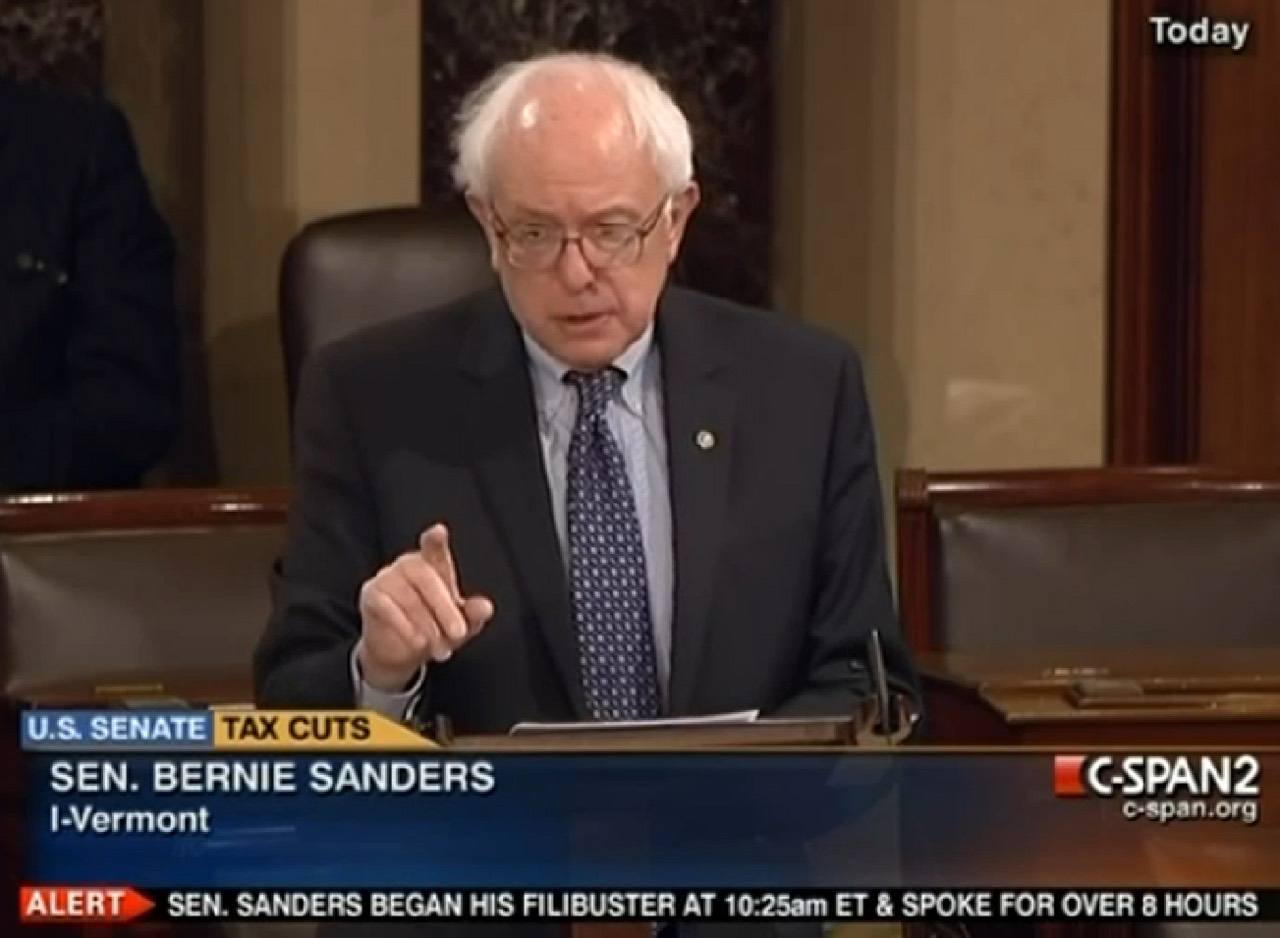
“We cannot allow identity to overshadow the need for evidence-based reforms in lobbying practices.”
The Left's Overreach: Identity Politics and Lobbying
On the left, there is a tendency to paint all lobbyists with the same brush, categorizing them as part of a corrupt establishment. This oversimplification neglects the fact that many individuals and organizations engage in lobbying to advocate for critical issues affecting marginalized communities. By demonizing lobbyists, the left risks alienating potential allies who share their values but also believe in the importance of advocacy.

Furthermore, the fixation on identity politics can distort the conversation surrounding lobbying reform. When discussions are framed around the identities of those involved - be it race, class, or profession - rather than the evidence of their actions, we miss a vital opportunity to address the systemic flaws in the lobbying process itself. This approach can inadvertently reinforce a binary perspective that divides rather than unites.
The Right's Reaction: Defending the Status Quo
Conversely, the right often defends the current lobbying landscape, arguing that it is a fundamental aspect of democracy and free speech. While the principle of free speech is undeniably important, this defense can lead to complacency regarding the transparency and accountability of lobbying practices. The right's reluctance to confront the potential for undue influence undermines the very democratic values they champion.
By dismissing calls for reform as an attack on free speech, the right risks perpetuating a system that favors the wealthy and well-connected. This is particularly concerning when considering the increasing concentration of wealth and power in the hands of a few corporations, which can drown out the voices of average citizens. The failure to engage with evidence-based arguments for reform only serves to exacerbate public distrust in the political system.
Finding Common Ground: A Call for Evidence-Based Reform
Instead of allowing identity politics to dominate the conversation, we must shift our focus to evidence-based reforms that enhance transparency in lobbying practices. This includes implementing stricter disclosure laws that require lobbyists to reveal their funding sources, clients, and the specific issues they are advocating for. Only through clarity and openness can we begin to rebuild trust in our democratic processes.
Furthermore, engaging in bipartisan discussions about lobbying reform can yield more productive outcomes than the current polarized approach. By recognizing that both sides of the aisle have valid concerns regarding lobbying, we can work toward solutions that prioritize the needs of the public over partisan interests.
It is time for politicians and activists alike to rise above the noise of identity politics and focus on the evidence that will lead to meaningful change. By demanding transparency in lobbying practices, we can foster an environment where all voices are heard, and democracy truly serves the interests of the many, not just the few.
✦ ✦ ✦