From the file. Written for the paper dated February 2018. Opened in the public stacks July 14, 2026.
In the polarized landscape of contemporary politics, where allegiance to party often overshadows objective analysis, the recent intelligence estimate provides a crucial reminder: evidence should take precedence over identity.
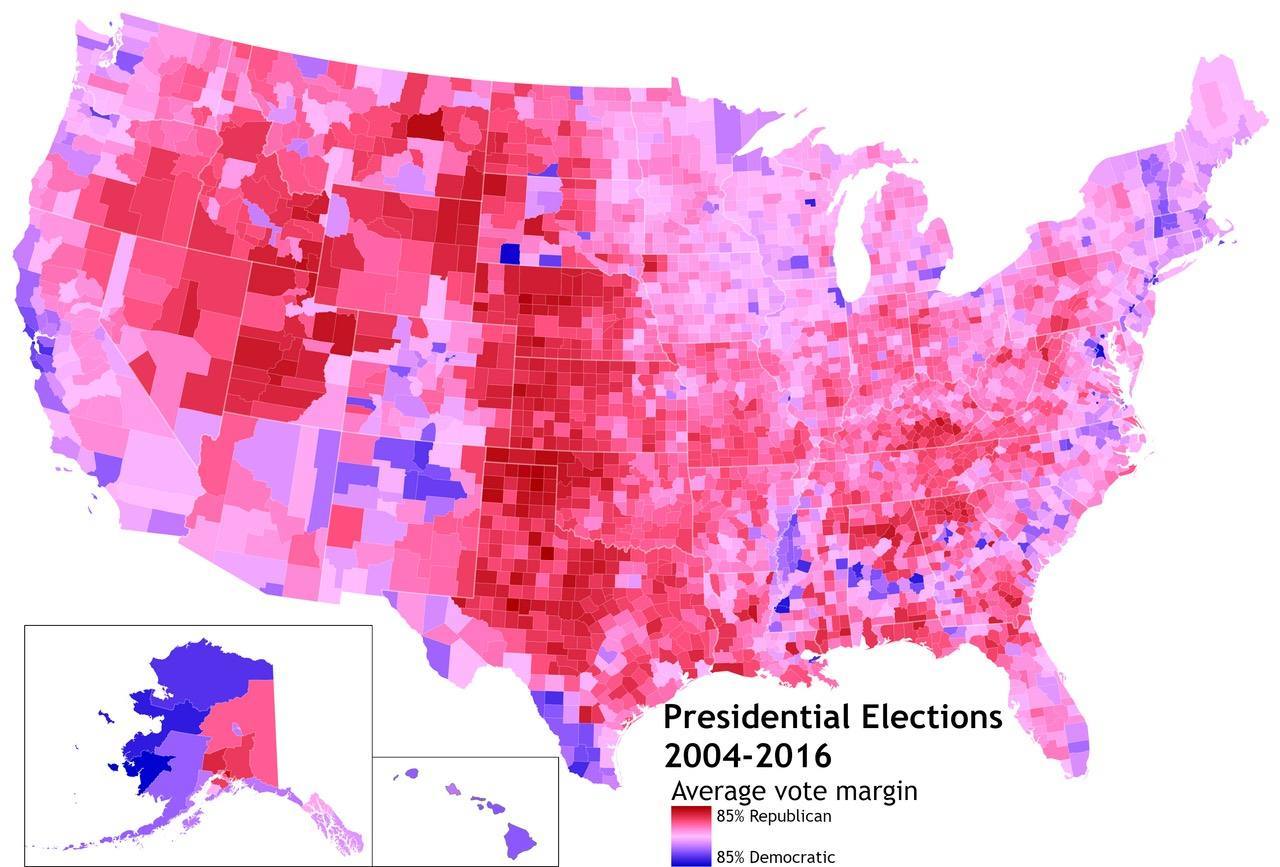
Understanding the Intelligence Estimate
The intelligence estimate released earlier this month serves as a pivotal document for understanding national security threats. However, the way it has been received by various factions illustrates the troubling trend of interpreting information through a partisan lens. Critics on both the left and the right have been quick to align the findings with their pre-existing narratives, even when the evidence may suggest a more nuanced reality.

For instance, while some members of the left are eager to highlight the estimate's concerns regarding foreign interference in elections, they often neglect to acknowledge the estimate’s broader implications about domestic challenges as well. Conversely, those on the right may downplay genuine threats identified in the report, opting instead to cling to a narrative that dismisses the intelligence community as biased or politically motivated.

Partisanship Over Objectivity
This moment in our political discourse raises an essential question: how do we cultivate a culture where intelligence and analysis can be viewed through a lens of objectivity rather than partisanship? The stakes are high, as the implications of these intelligence estimates can inform not only policy decisions but also public perception of threats. When both sides prioritize their political agendas over the evidence laid out in these documents, we risk undermining the very fabric of informed citizenship.

"When partisanship clouds our judgment, the truth about national security becomes a casualty."
Consequences of Excessive Partisanship
The consequences of this excessive partisanship are far-reaching. For example, the left's tendency to frame the intelligence community as a bastion of truth can lead to an uncritical acceptance of all assessments produced by the agencies. This can create a scenario where dissenting voices within the intelligence community, often crucial to a balanced view, are silenced or ignored. On the other hand, the right's inclination to dismiss the intelligence community as a "deep state" conspiracy can hinder necessary scrutiny of legitimate threats, thereby endangering national security.
Both extremes fail to recognize that the intelligence community is not monolithic. It is composed of professionals who strive to present the facts as they see them, often under immense pressure and scrutiny. In a climate where findings are interpreted solely through the lens of political allegiance, we lose sight of the complexities that characterize real-world threats.
The Role of Evidence in Political Discourse
To re-establish a sense of balance, we must cultivate an environment that values evidence-based discourse. This requires a commitment from both sides of the aisle to prioritize factual analysis over ideological posturing. It also necessitates a public that demands accountability from its leaders, pushing them to engage with intelligence reports in a constructive and bipartisan manner.
Moreover, news outlets and commentators have a responsibility to present these findings in a manner that underscores their importance, rather than sensationalizing them to fit a narrative. By fostering a culture that values nuance and critical thinking, we can ensure that intelligence estimates serve as the foundation for informed debate, rather than becoming weapons in a partisan struggle.
A Call for Bipartisanship
Ultimately, the key to overcoming the current impasse lies in fostering genuine bipartisanship. This will require leaders from both sides to engage in honest dialogue, acknowledging the validity of each other's concerns while also being willing to confront uncomfortable truths. The intelligence estimate should be a starting point for this dialogue, a reminder that our common security is at stake.
In the coming weeks and months, as debates surrounding the intelligence estimate evolve, the challenge will be to resist the urge to retreat into echo chambers. By prioritizing evidence over identity, we can move toward a more informed and constructive political discourse that serves the interests of all Americans.
✦ ✦ ✦