From the file. Written for the paper dated January 2018. Opened in the public stacks July 14, 2026.
In a political climate rife with hyperbole and unwavering certainty, the distance between public claims and the actual record has never been more pronounced. As we navigate the turbulent waters of January 2018, it is essential to scrutinize the narratives being spun by both sides of the aisle.
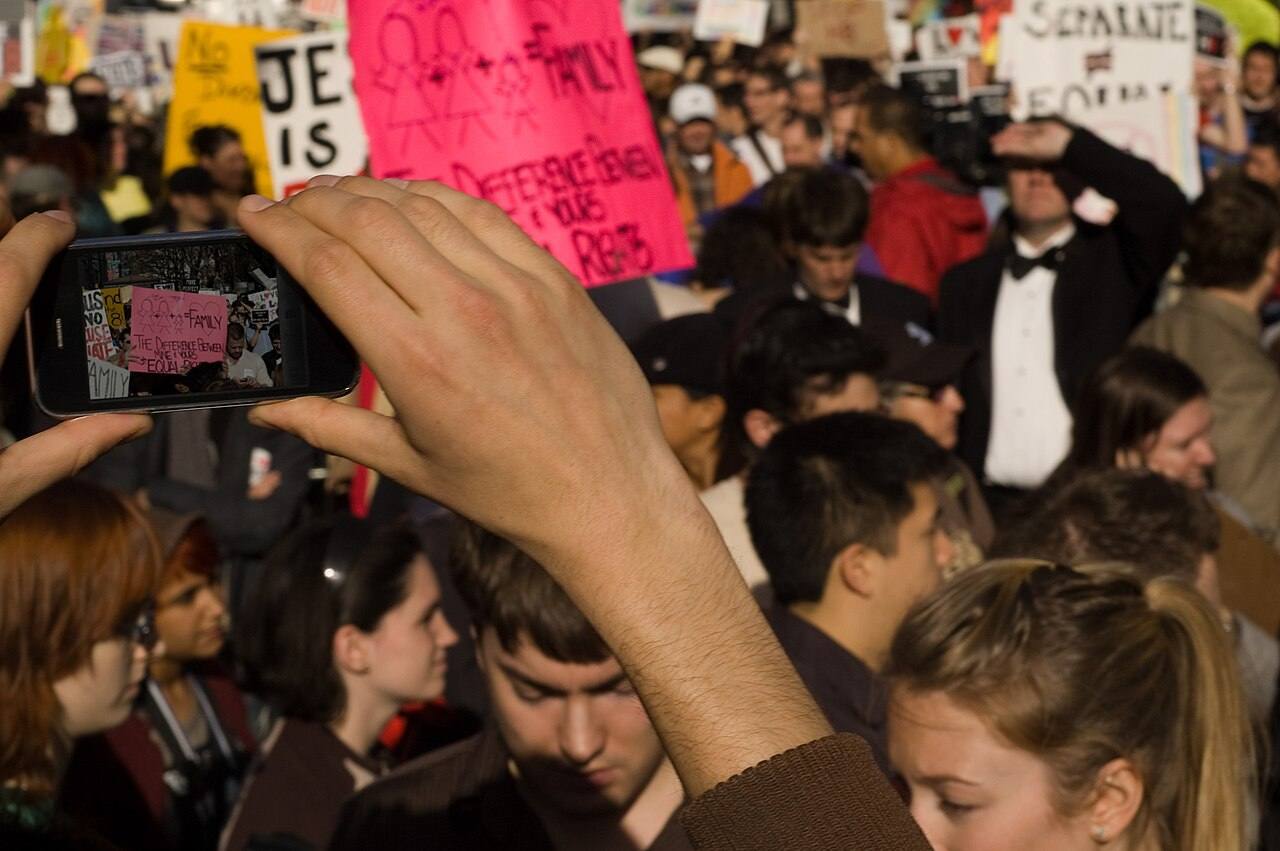
The Illusion of Certainty
In recent years, we have witnessed an alarming trend where certainty has become a commodity - something politicians trade on to bolster their positions and attract followers. The allure of unwavering conviction is potent; it provides comfort in a world rife with complexity and ambiguity. However, this relentless pursuit of certainty often leads to a disconnect between what is proclaimed and what is true.
On the left, we see an array of voices confidently asserting that progressive policies will unequivocally lead to a fairer society. While the ideals of social justice and equity are commendable, the execution of such policies often falls short of the promises made. For instance, calls for universal healthcare are met with fervent declarations of success, yet the practical realities of implementation are frequently glossed over. The complexity of healthcare systems and the potential for unintended consequences are often dismissed in favor of emotionally charged rhetoric.

Meanwhile, the right counters with its own brand of certainty, portraying tax cuts as the panacea for economic growth. The narrative suggests that slashing taxes for corporations and the wealthy will automatically stimulate job creation and increase wages for the average American. However, the historical record is rife with instances where such measures have failed to deliver on their promises. The gap between rhetoric and reality widens when the benefits of these policies disproportionately favor those at the top, leaving the working class to shoulder the burden of economic instability.
Polarization and the Erosion of Discourse
This fixation on certainty breeds polarization, further eroding the discourse necessary for a healthy democracy. As both sides retreat into their echo chambers, the willingness to engage in constructive dialogue diminishes. Each faction increasingly resorts to demonizing the other, rather than seeking common ground. This not only stifles innovation but also prevents the exploration of nuanced solutions to complex problems.
"In the pursuit of certainty, we risk losing sight of the truth."
Moreover, the fervor with which these narratives are defended often leads to the dismissal of legitimate concerns raised by opponents. When faced with evidence that contradicts their claims, both sides can be quick to label dissenters as uninformed or malicious. This environment fosters mistrust, making it increasingly difficult for citizens to discern fact from fiction.

The Cost of Certainty
What is the cost of this unwavering certainty? It manifests itself in public policy failures, social unrest, and disillusionment with governance. Citizens become frustrated when they realize that the bold promises made during campaigns do not materialize into meaningful change. This discontent can lead to apathy, skepticism, and even radicalization, as individuals seek alternative narratives that validate their experiences.
Furthermore, the consequences extend beyond politics into social dynamics. The insistence on certainty can stifle individuality and suppress diverse perspectives. People may feel pressured to conform to the prevailing narrative of their chosen political tribe, leading to a homogenization of thought that is detrimental to the richness of public discourse.
Seeking a Middle Ground
The challenge we face in 2018 is to embrace uncertainty as a source of strength rather than a weakness. Acknowledging the complexity of issues allows for more robust discussions and innovative solutions. Instead of clinging to the notion that we possess absolute truths, we should foster an environment where questioning and critical thinking are encouraged.
Political leaders must take responsibility for bridging the gap between claims and reality. This requires a commitment to transparency and accountability, as well as a willingness to engage with opposing viewpoints. Citizens, too, must demand better from their representatives and hold them accountable for their promises.
It is time to recognize that certainty can be a double-edged sword. While it may offer solace in a chaotic world, it often leads us astray. As we navigate this complex political landscape, let us strive for a more nuanced understanding of our challenges - a pursuit that honors the diversity of thought and experience that defines our nation.
✦ ✦ ✦