From the file. Written for the paper dated January 2018. Opened in the public stacks July 14, 2026.
As the world continues to grapple with the implications of recent health crises, the discourse surrounding pandemic readiness has reached a fever pitch. Public claims made by political leaders and health organizations are often at odds with the reality of our preparedness.

Examining the Public Narrative
The narrative surrounding pandemic readiness is predominantly shaped by a chorus of voices from both the left and the right. On one hand, officials from the left tout the advancements made in public health systems, emphasizing funding increases and improved surveillance methods. On the other hand, the right often critiques these claims, arguing that governmental overreach and inefficiencies have hampered true preparedness.
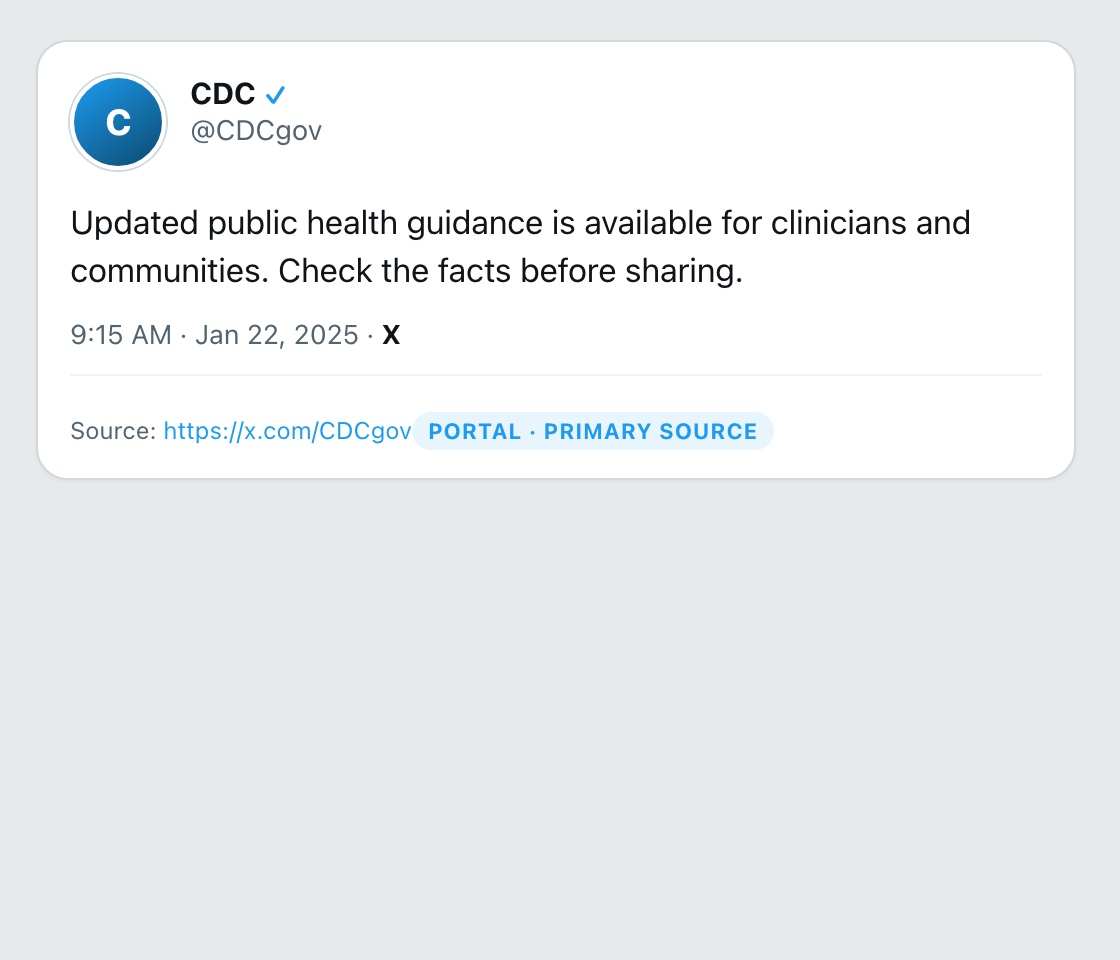
In this polarized environment, it is essential to sift through the rhetoric and examine the actual readiness of our health systems. The claims of preparedness made by politicians often come adorned with a sheen of optimism that does not always match the underlying infrastructure. For instance, while it is true that some resources have been allocated to improve health responses, the reality is that many systems remain underfunded and ill-equipped for a severe outbreak.

The Reality of Health Systems
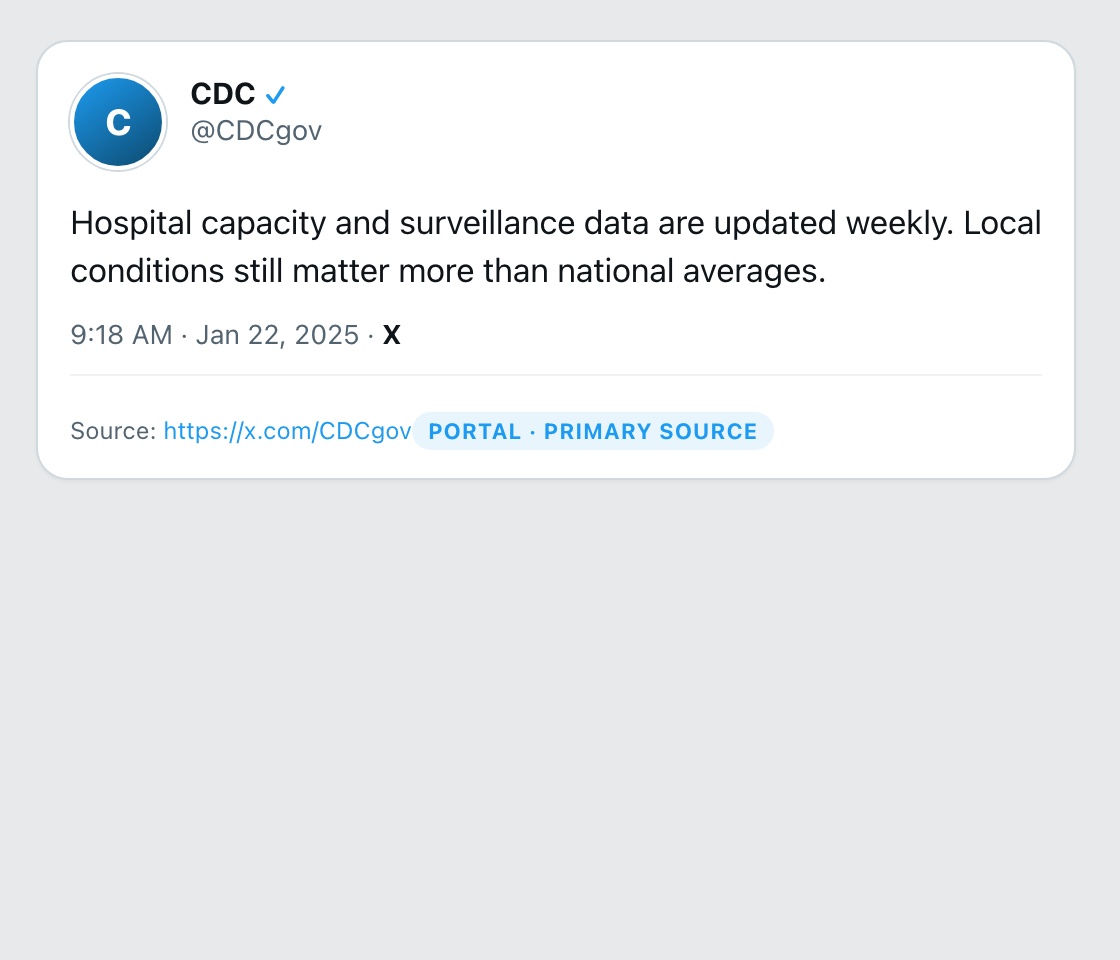
Reports suggest that many public health agencies are struggling with staffing shortages, outdated technology, and insufficient training. A significant portion of the workforce is not prepared for the scale of a potential pandemic. This is particularly concerning given the increased frequency of global travel and the potential for disease to spread rapidly across borders.
"Our public health infrastructure is like a house of cards - while it may seem stable, one strong gust can bring it all crashing down."
Moreover, the emphasis on emergency preparedness plans often glosses over the need for consistent, year-round funding and training. The focus on response rather than prevention has led to a situation where health officials scramble to address outbreaks when they arise, rather than having a robust system in place to manage them proactively.
Political Gamesmanship
Both sides of the political spectrum have engaged in gamesmanship, using pandemic readiness as a tool for point-scoring rather than genuine concern. The left often emphasizes the need for more government funding and oversight, while the right counters with calls for deregulation and privatization of health services. This tug-of-war distracts from the fundamental need for a cohesive, well-supported health system that prioritizes the wellbeing of the public.
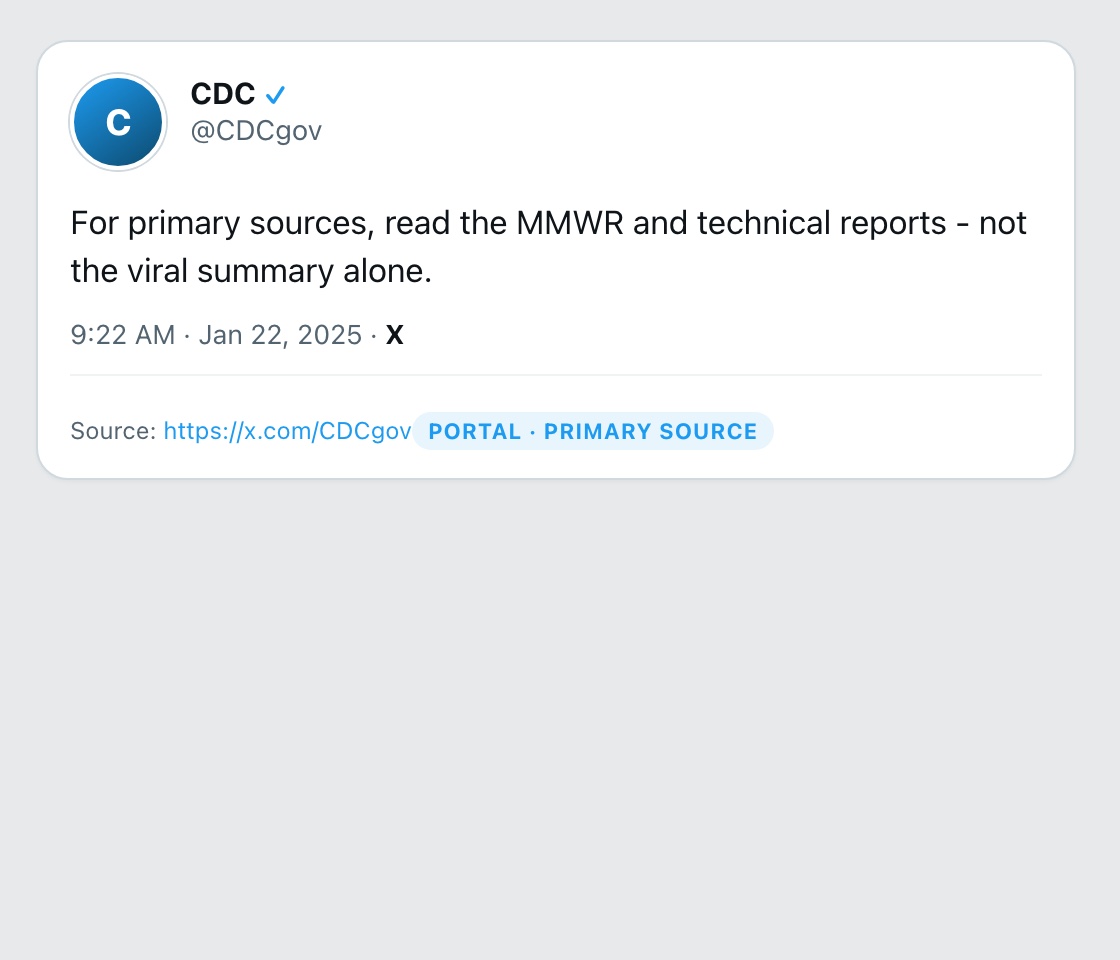
Critics argue that the partisan nature of this discourse has led to a failure to acknowledge the true challenges facing our health systems. Instead of engaging in constructive dialogue, both sides often resort to hyperbole and fear-mongering, which can undermine public trust in health recommendations and preparedness efforts.
Lessons from Recent Outbreaks
The Ebola outbreak in West Africa and the Zika virus spread in the Americas serve as stark reminders of our vulnerability. While these events triggered discussions about readiness, the lessons learned have not always translated into meaningful action. The short memory of political leaders often leads to a cycle of inaction until the next crisis strikes.
Furthermore, the global nature of health threats means that no country is an island when it comes to pandemic readiness. International cooperation is imperative, yet it is often sidelined by nationalistic rhetoric and policies that prioritize borders over collaboration. This is a glaring oversight in a time when diseases can spread with unprecedented speed.
Moving Toward Genuine Preparedness
To achieve true pandemic readiness, a shift in approach is necessary. Both political parties must transcend their partisan divides, focusing instead on building robust health systems that can withstand the pressures of a globalized world. This involves investing in public health infrastructure, supporting healthcare professionals, and fostering international collaboration on health issues.
Moreover, the public must be engaged in these discussions. Misinformation and fear must be countered with transparent, factual communication. A well-informed public is more likely to support necessary health initiatives and policies, ultimately leading to better outcomes during health crises.
In conclusion, as we stand at a critical juncture in our approach to pandemic preparedness, it is essential that we reconcile public claims with the reality on the ground. The health of the population depends not on political posturing but on a unified commitment to building a resilient healthcare system that can rise to the challenges of the future.
✦ ✦ ✦