From the file. Written for the paper dated January 2018. Opened in the public stacks July 14, 2026.
As the nation grapples with its foundational principles, the ongoing clash over federalism pits public claims against the historical record, revealing the tensions that lie beneath the surface of American governance.

Federalism in the Spotlight
The concept of federalism, the division of power between national and state governments, is being fiercely debated across the United States. On one side, proponents of state rights argue that local governments should have the final say on issues like healthcare, education, and immigration. On the other side, defenders of a strong central government contend that a unified approach is essential to address national challenges effectively.
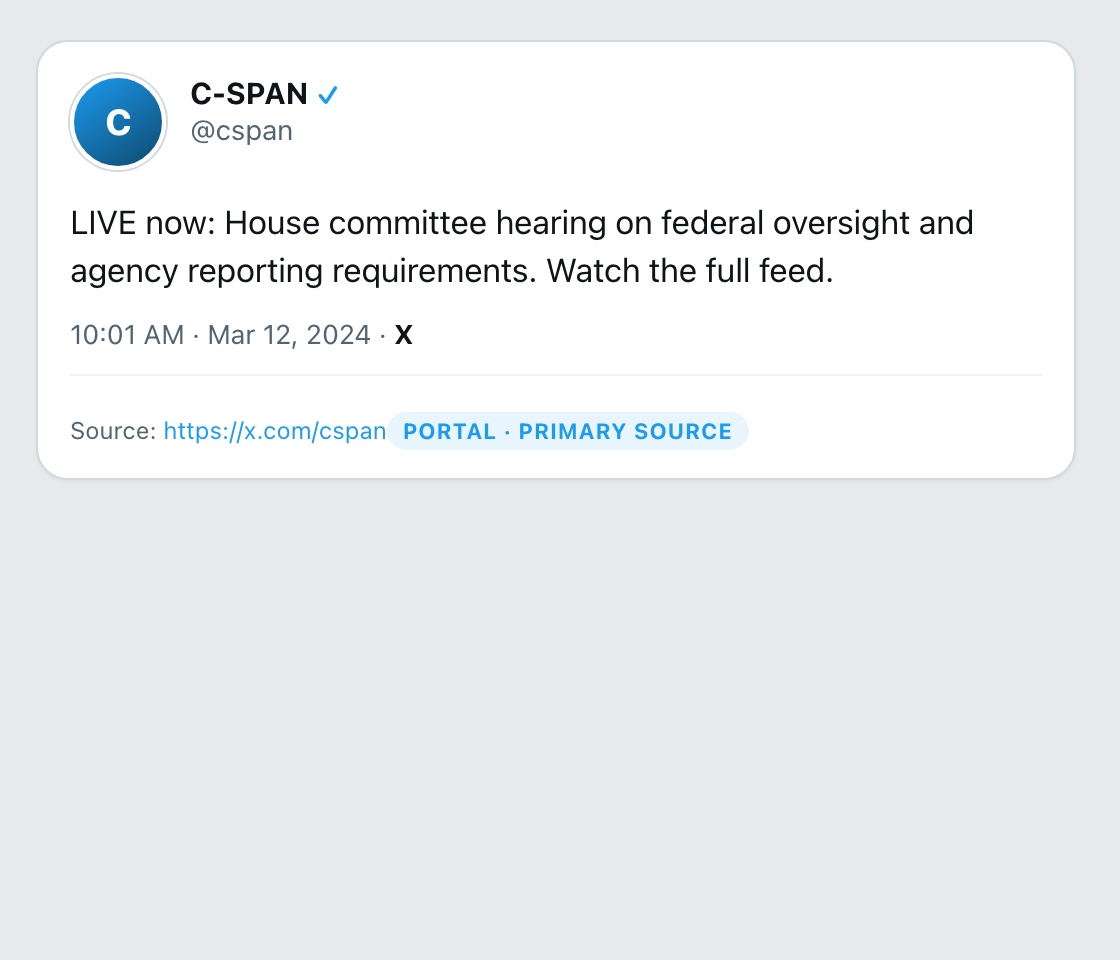
In recent months, the rhetoric from both sides has escalated, with each claiming to uphold the true spirit of federalism. Yet, as the record shows, both the left and the right have engaged in selective interpretations of this doctrine, often ignoring the complex realities of governance.

Claims from the Right
Conservatives have positioned themselves as champions of state sovereignty, often invoking the Tenth Amendment to assert that states should have greater autonomy. The argument is compelling in theory; states are closer to the people and theoretically better positioned to respond to local needs. However, this perspective often overlooks the capacity of state governments to perpetuate inequality. For instance, when it comes to healthcare, states can choose to expand Medicaid under the Affordable Care Act or reject it outright, leading to significant disparities in access to care across the nation.
"The rights of states are paramount, but what happens when those rights lead to inequities?"
This selective adherence to federalism raises questions about the moral implications of state sovereignty. While states should have the right to govern themselves, the potential for harm when those policies conflict with national standards cannot be ignored. The right's critique of federal overreach often fails to acknowledge that not all state governance is benevolent or just.
Claims from the Left
Conversely, the left has positioned itself as the protector of federal standards, arguing that a strong federal government is necessary to ensure civil rights and social justice. They point to historical abuses that have occurred when states have too much power, such as segregation and voter suppression. These are valid concerns, yet their calls for federal intervention can sometimes come across as dismissive of the local decision-making processes that are crucial for a functioning democracy.

"Federal oversight can be necessary, but it should not undermine local governance."
Moreover, the left's push for federal solutions can lead to a one-size-fits-all approach that does not account for the diverse needs of different states. For instance, while universal healthcare may work well in densely populated urban areas, rural states have unique challenges that require tailored solutions. The left must grapple with the reality that federal solutions can sometimes stifle innovation and responsiveness at the state level.
The Middle Ground
What is often lost in this heated debate is the opportunity for collaboration and compromise. Federalism does not have to be a zero-sum game where one side wins and the other loses. Instead, there is a potential for a more nuanced understanding of governance that respects both state and federal powers. This means recognizing the strengths and weaknesses of each level of government and allowing for flexibility in addressing issues.
In order to navigate this complex landscape, both sides must acknowledge the value of local governance while understanding the necessity of federal standards in certain areas. This is especially true when it comes to civil rights, public health, and environmental regulations. A cooperative federalism model that encourages states to lead while adhering to minimum national standards could serve as a viable path forward.
Conclusion
As the debate over federalism continues to unfold, it is imperative that both sides move beyond their entrenched positions. The record shows that neither unchecked state power nor federal overreach serves the American people effectively. By embracing a more collaborative approach, we can honor the spirit of federalism while ensuring that the rights and needs of all citizens are protected.
✦ ✦ ✦