From the file. Written for the paper dated January 2018. Opened in the public stacks July 14, 2026.
As the nation grapples with public health crises, the disparity between political rhetoric and the realities of epidemic response has become increasingly pronounced. Claims from both sides of the aisle often clash with the on-the-ground realities faced by healthcare providers and the communities they serve.
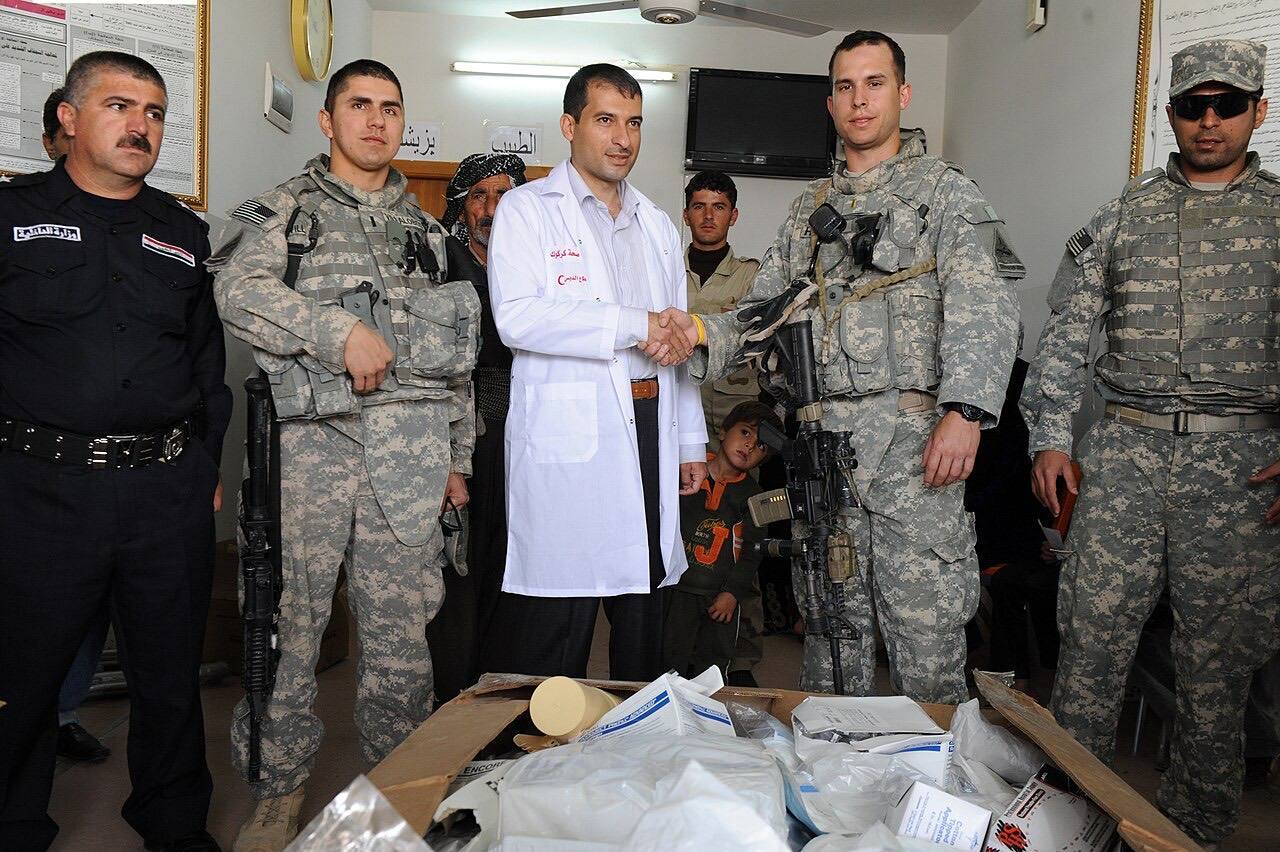
Political Promises Amidst Public Health Crises
In recent months, we've witnessed an uptick in political leaders and influencers touting their commitment to addressing public health emergencies. From infectious disease outbreaks to opioid addiction, the promises flow freely. Yet, when examining the responses in real time, a significant gap emerges between robust declarations and actionable outcomes.
For example, the current administration has promoted its efforts in combating the opioid crisis, which has reached epidemic proportions affecting countless families. However, the reality is that funding for essential programs remains inconsistent, leaving many states struggling to implement effective treatment and prevention strategies. Meanwhile, critics on the left have accused the administration of being too slow to act, yet some of those very critics have also failed to support bipartisan efforts to allocate the necessary resources when it matters most.

"Political rhetoric often overshadows the hard work necessary to address public health challenges."
The Flaws in the System
At the core of the issue is a systemic failure that transcends party lines. While the left often calls for more government intervention and expanded healthcare access, the right pushes for deregulation and market-driven solutions. Both sides assert their approach is the best for public health, yet the statistics suggest that neither has been entirely successful in curbing the tide of public health crises.
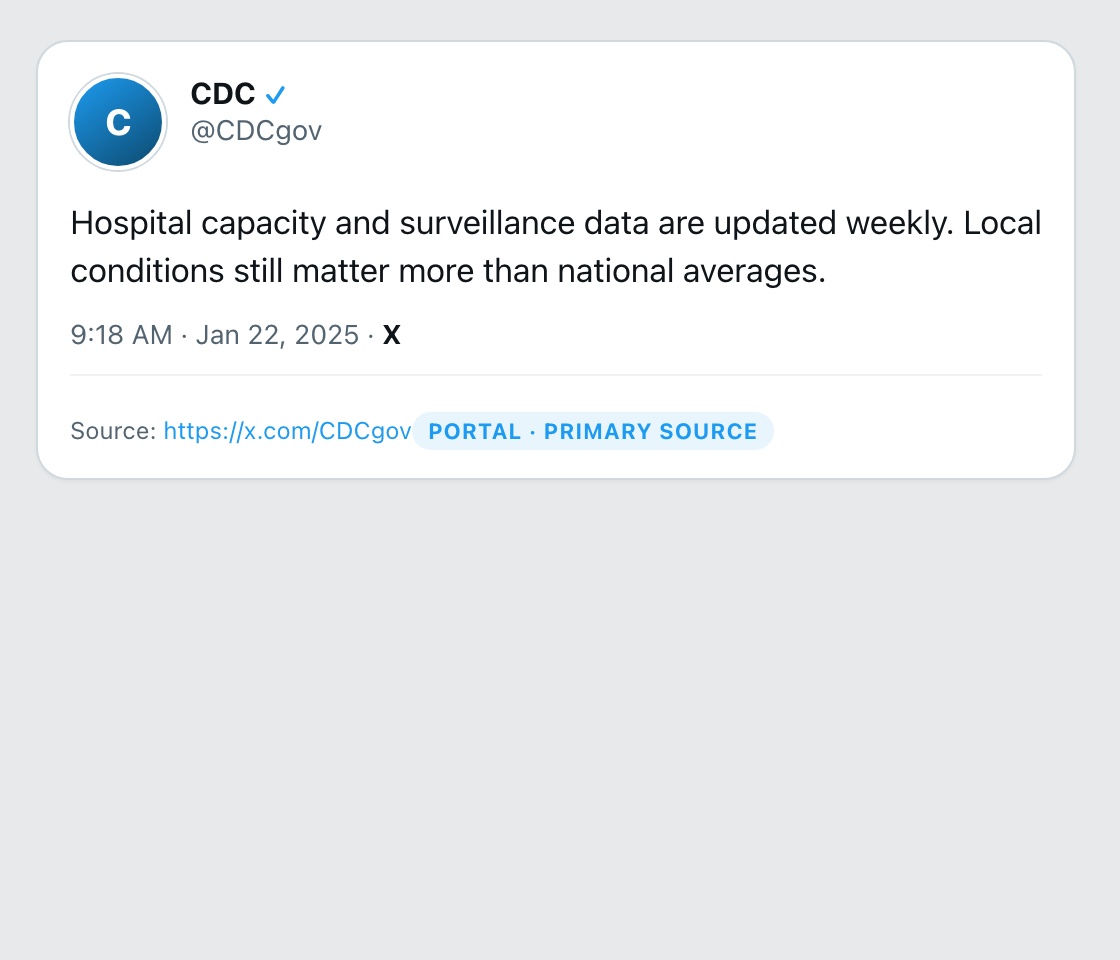
For instance, the Centers for Disease Control and Prevention (CDC) has reported significant increases in communicable diseases in certain areas, prompting urgent calls for response measures. Yet, as local health departments scramble to meet these challenges, they often find themselves without adequate support - both in terms of funding and resources. This highlights a troubling disconnect where the political narrative does not reflect the real challenges faced by those on the front lines.
A Call for Bipartisan Action
In this heated political landscape, it becomes imperative to call for bipartisan cooperation. History has shown that public health issues are not confined to one political ideology; they affect everyone. The opioid crisis, for instance, has ravaged communities in both red and blue states. Rather than engaging in partisan battles, leaders should focus on collaboration to find effective solutions.
Healthcare professionals and community leaders are often left to navigate these crises with limited support, and they deserve better. It is time for politicians to shift their focus from scoring points against each other to genuinely addressing the needs of their constituents.
"Public health should not be a political battleground, but a shared responsibility."
Moving Forward: What Needs to Change
To create a more effective epidemic response system, several changes are necessary. First, there must be a commitment to adequately funding public health initiatives. This includes investing in preventative measures, supporting healthcare providers, and ensuring that local health departments have the resources they need to operate effectively.
Second, both sides must acknowledge the importance of data-driven decision-making. Rather than relying on political rhetoric, leaders need to prioritize evidence-based practices that can lead to meaningful change. This means collaborating with experts in the field to understand the issues and implement strategies that have been proven to work.
Finally, there needs to be a cultural shift within politics. Instead of using public health as a tool for political gain, politicians should recognize their role as stewards of public health. This requires a commitment to transparency, accountability, and working together for the greater good.
Conclusion: Bridging the Divide
As we move forward in addressing the pressing public health issues of our time, it is vital to bridge the divide between public claims and the record of action. Both sides must come together to confront these challenges with a sense of urgency and purpose. The health of the nation depends on it.
✦ ✦ ✦