From the file. Written for the paper dated December 2017. Opened in the public stacks July 14, 2026.
As the year draws to a close, the issue of pharmacy deserts has come into sharper focus, revealing the stark disparities in healthcare access across the United States. The conversation surrounding pharmacy deserts is not only about the lack of physical pharmacies in certain neighborhoods, but also about the broader implications for public health and social equity.
The Problem at Hand
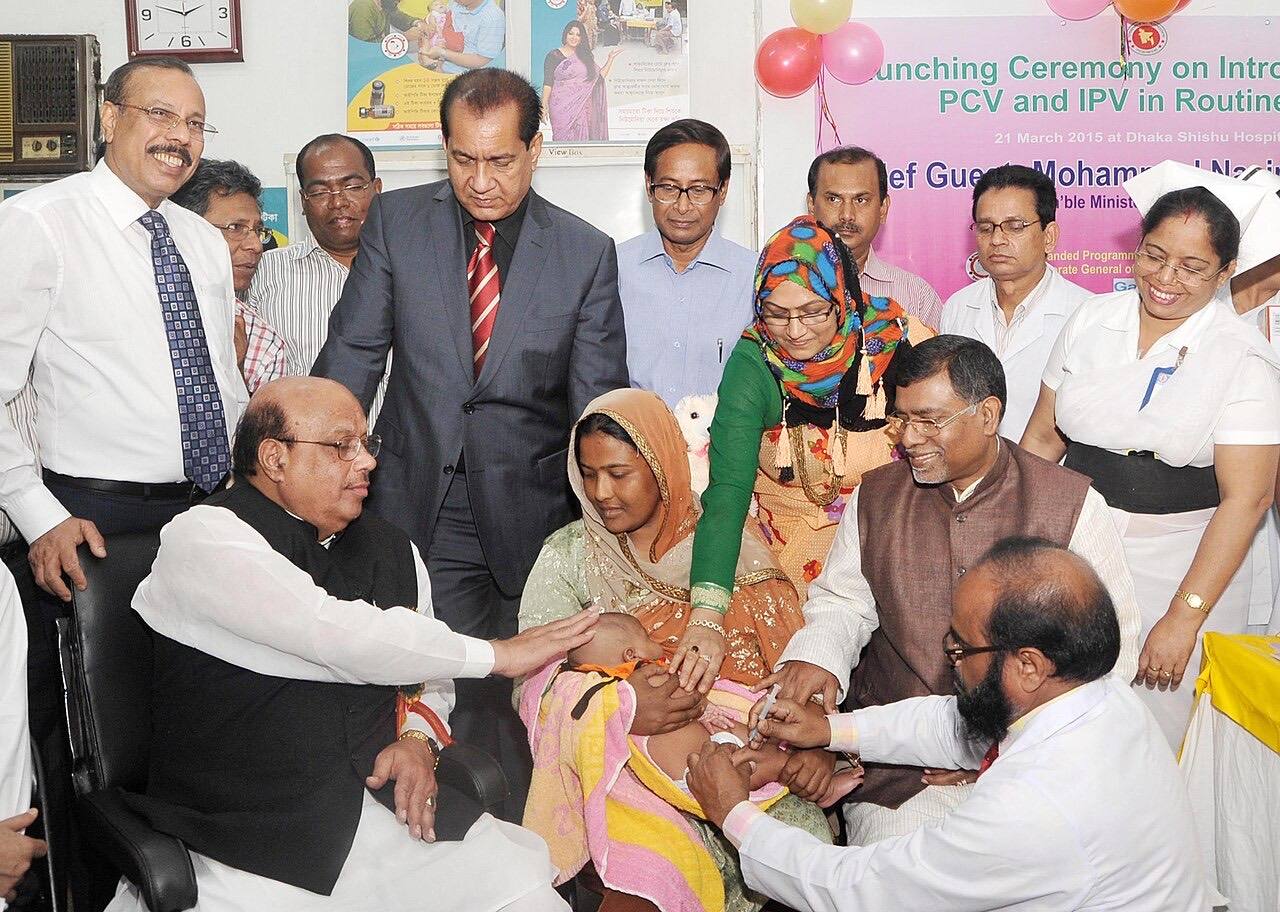
Pharmacy deserts, defined as areas with limited access to pharmacies, are often found in low-income communities and rural regions. According to various reports, these areas are not just missing retail pharmacies; they also lack the necessary healthcare resources that could help mitigate health crises. The absence of accessible pharmacies can lead to untreated chronic conditions, increased emergency room visits, and ultimately, higher healthcare costs for both individuals and taxpayers.

Political Responses and Their Shortcomings
In recent months, both sides of the political aisle have attempted to address the issue of pharmacy deserts. On the left, there is a push for government intervention to establish more community pharmacies, particularly in underserved areas. Yet, while the intent is commendable, the execution often falls short. Government programs can become bogged down by bureaucracy, leading to delays and inefficiencies that ultimately fail to solve the problem.

On the right, the emphasis has been on free-market solutions. Proponents argue that deregulation and incentivizing private investment could help fill the gap. However, this approach often overlooks systemic issues such as the lack of infrastructure in impoverished areas. It is naive to think that market forces alone can solve a problem rooted in social inequality.
"Pharmacy deserts are not just about missing stores; they represent a deeper issue of healthcare inequity."
A Middle Ground Approach
Rather than allowing ideological divides to dictate the conversation, a middle-ground approach may be the most effective way to tackle pharmacy deserts. A collaborative effort involving both public and private sectors could yield more sustainable solutions. Community health initiatives, supported by both government funding and private investment, could create a network of pharmacies that are not only accessible but also equipped to provide essential healthcare services.
Moreover, integrating pharmacies with other healthcare services, such as clinics or telemedicine options, can empower communities to take charge of their health. By creating a multi-faceted approach, stakeholders can address the root causes of health disparities while also providing immediate relief.
Community Involvement
One of the most promising aspects of addressing pharmacy deserts is the potential for community involvement. Local organizations and residents can play a crucial role in identifying specific needs and advocating for solutions tailored to their unique circumstances. By engaging communities in the decision-making process, solutions can be more effectively targeted and ultimately lead to better health outcomes.
For example, community-led health fairs that offer screenings and consultations in conjunction with local pharmacies can serve as a bridge to better healthcare access. These initiatives not only raise awareness but also foster a sense of ownership among residents, encouraging them to prioritize their health.
Lessons from Other Countries
Looking beyond the United States, several countries have implemented successful strategies to combat pharmacy deserts. For instance, some European nations have integrated pharmacies into their public health systems, ensuring that even the most remote areas have access to essential medications and healthcare services. Learning from these models can provide valuable insights into how the U.S. might approach its own pharmacy desert crisis.
Conclusion
As we move into 2018, the issue of pharmacy deserts will likely continue to be a topic of discussion among policymakers and the public alike. It is crucial that both sides of the political spectrum recognize the value of collaboration and community engagement in addressing this pressing issue. The health of our communities depends on it. When ideological excesses cloud the conversation, it is the most vulnerable among us who suffer the most.
✦ ✦ ✦