From the file. Written for the paper dated December 2017. Opened in the public stacks July 14, 2026.
As the political landscape continues to shift in Washington, the recent wave of cabinet resignations has left many questioning the stability of the current administration. The fallout from these departures reveals not only the challenges facing the administration but also the extremes to which both political sides are willing to go in their critiques.

Understanding the Resignations
In recent days, a series of high-profile cabinet resignations has captured the attention of the nation. These departures, while not entirely unprecedented in the tumultuous world of politics, raise serious questions about the effectiveness of leadership within the administration. Each resignation tells its own story, but collectively they paint a picture of an administration grappling with internal discord and external pressures.

On one hand, the left has seized upon these resignations as evidence of a failing presidency. The narrative being pushed is that the administration is crumbling from within, with key figures unable to withstand the pressures of governance. This perspective, while it highlights genuine issues of competence and stability, often veers into hyperbole. The reality is that cabinet reshuffles are common; they happen in administrations across the political spectrum. Yet, it is the left that seems to relish in the idea of an impending collapse, often overlooking the complexity of governance.
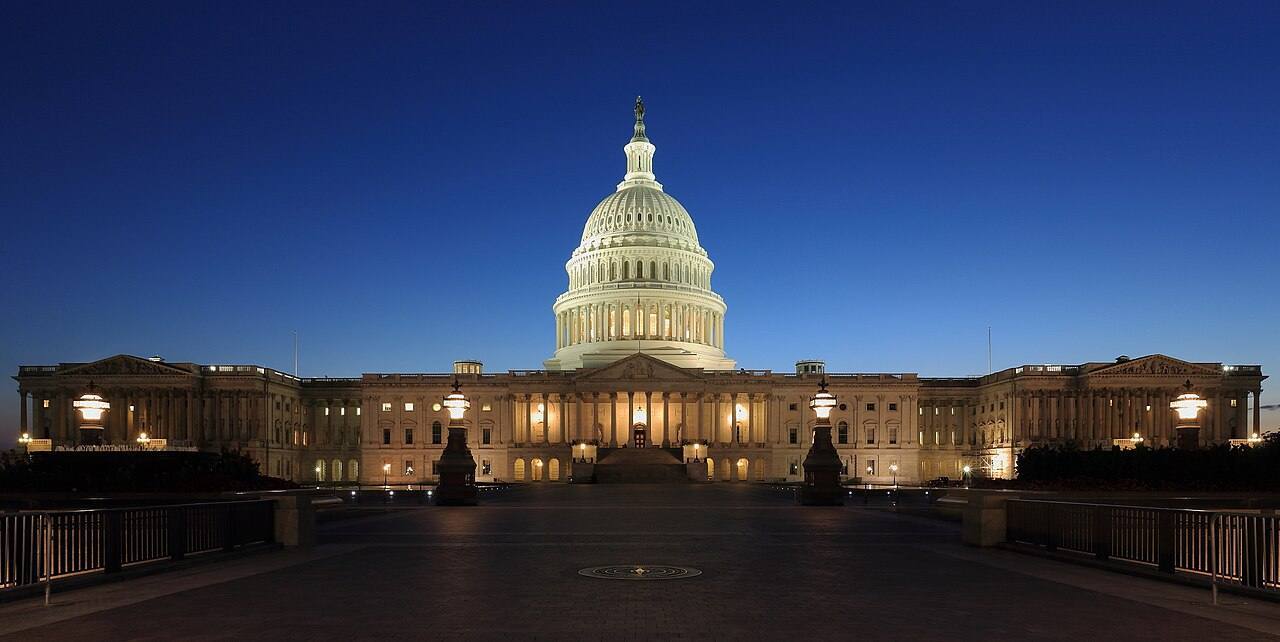
Conversely, the right has responded with defensiveness and a rallying cry for loyalty. Supporters of the administration have framed these resignations as routine, suggesting that they are merely part of a larger strategy to bring in fresh talent and ideas. This perspective, too, is riddled with excess. To dismiss the significance of these departures as mere routine ignores the potential ramifications for policy continuity and public trust. It is essential to recognize that while change can be beneficial, it can also signify deeper issues that must be addressed.

The Politics of Resignation
The resignations have sparked a fierce debate about the nature of loyalty in politics. For many, these high-profile departures signal a breakdown of trust and cohesion within the cabinet. Critics argue that when individuals who once held influential positions choose to leave, it undermines the credibility of the administration. The left has capitalized on this theme, painting a picture of a chaotic environment where discord reigns supreme.
Yet, it is important to consider the motivations behind these resignations. Are they truly indicative of a failing administration, or are they part of a strategic realignment? Some resignations have been framed as personal choices, with individuals citing the need for new challenges or a desire to focus on personal matters. This nuance is often lost in the rush to assign blame, particularly from those on the left who seek to harness these events as proof of their overarching narrative.
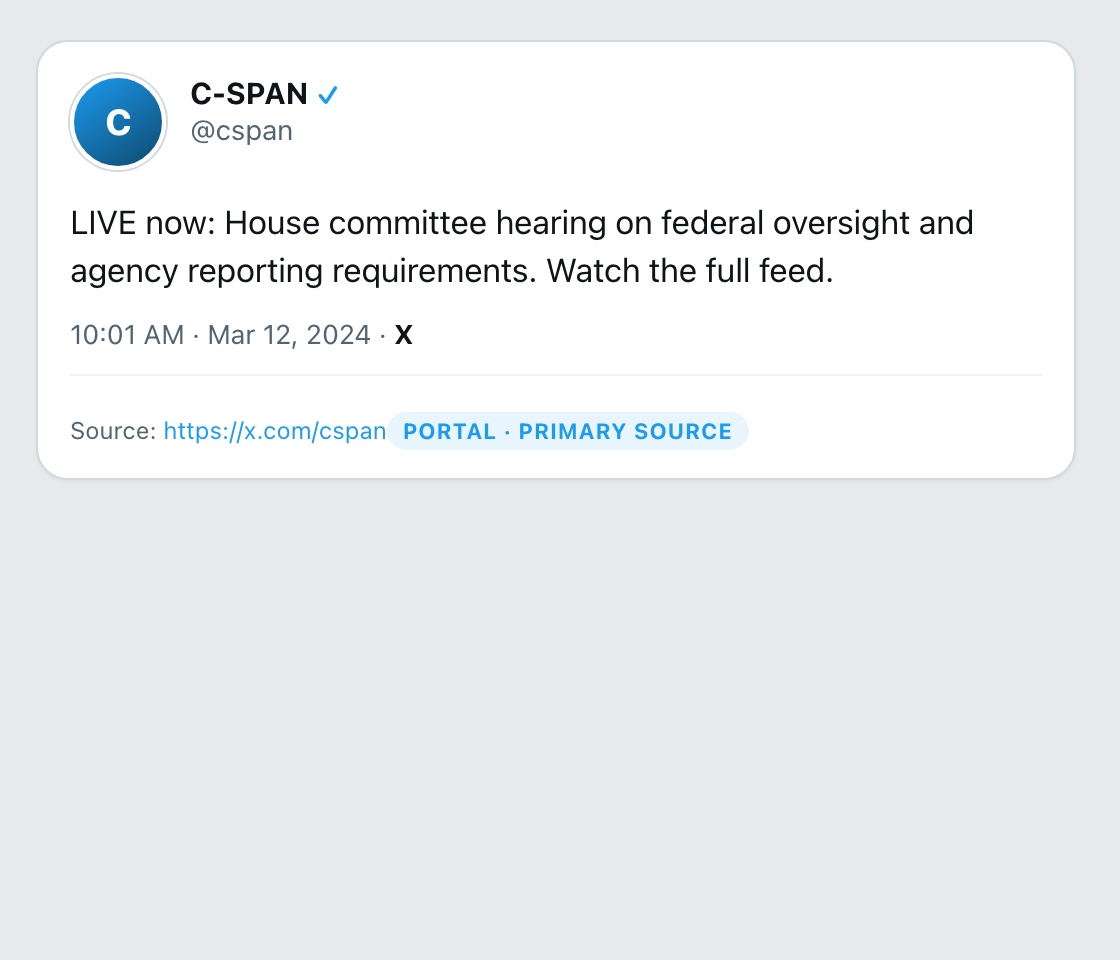
"The reality is that cabinet reshuffles are common; they happen in administrations across the political spectrum."
As the debate rages on, it is crucial for both sides to take a step back and assess the situation with a balanced perspective. The left's tendency to celebrate resignations as signs of collapse is counterproductive, as it can lead to a refusal to engage with the complexities of governance. Likewise, the right's instinct to minimize the significance of these departures risks alienating moderate voices who may be concerned about the administration's direction.
Moving Forward
The current political climate calls for a more measured response to these resignations. Rather than using them as fodder for partisan attacks, both sides must engage in constructive dialogue about the future. The administration must demonstrate its commitment to stability and effective governance, while the opposition should focus on offering viable alternatives rather than simply reveling in the perceived failures of their opponents.
As we navigate this uncertain terrain, it is vital to remember that political discourse should not be reduced to a zero-sum game. The stakes are too high for such simplifications. The nation deserves a political landscape where accountability and responsibility are paramount, and where the focus is on addressing the needs of the American people rather than indulging in the excesses of partisan warfare.
Conclusion
As we approach the end of the year, the political landscape remains fraught with challenges. The recent cabinet resignations serve as a reminder of the volatility that can arise within any administration. However, rather than allowing these events to deepen the divides between the left and right, we must strive for a more nuanced understanding of the complexities at play. It is only through constructive engagement that we can hope to foster a more stable and effective governance moving forward.
✦ ✦ ✦