From the file. Written for the paper dated November 2017. Opened in the public stacks July 14, 2026.
As the media spotlight fades from the latest political scandal, the question of oversight remains at the forefront of our democratic values. What does it take to ensure accountability in a system increasingly defined by polarization and partisanship?

In recent months, we have witnessed a barrage of headlines, each more sensational than the last. From alleged collusion to ethical breaches, the American political landscape is littered with controversies that demand thorough scrutiny. Yet, as the fervor of the news cycle subsides, the essential need for effective oversight often gets lost in the shuffle. This is a conversation that is uncomfortable for both sides of the aisle - a necessary discussion that many would prefer to avoid.
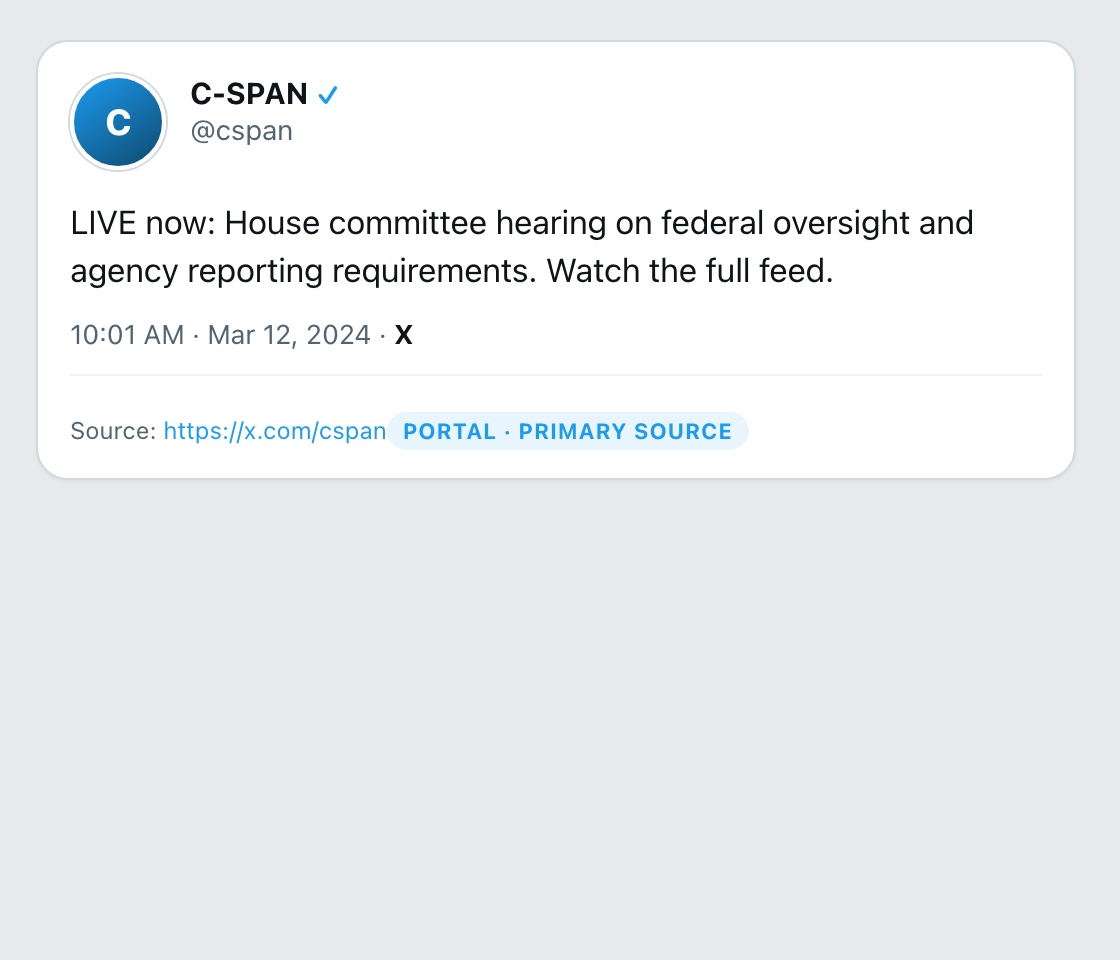
Oversight: A Fundamental Responsibility
Oversight is not merely a bureaucratic exercise; it is a fundamental responsibility of our elected officials. It ensures that power is checked and that citizens are not left at the mercy of those who govern them. In an age where trust in institutions is waning, the importance of oversight cannot be overstated. Yet, the process is not as straightforward as it should be. It requires diligence, transparency, and a willingness to confront uncomfortable truths.

“Oversight is not merely a bureaucratic exercise; it is a fundamental responsibility of our elected officials.”
On one hand, we have the left, which often demands rigorous oversight but may falter when it comes to accountability within its own ranks. The recent controversies surrounding various figures in the Democratic Party illustrate this paradox. While advocating for stringent checks on opponents, there can be a reluctance to apply the same standards to allies. This selective outrage undermines the very foundation of accountability that progressives seek to promote.
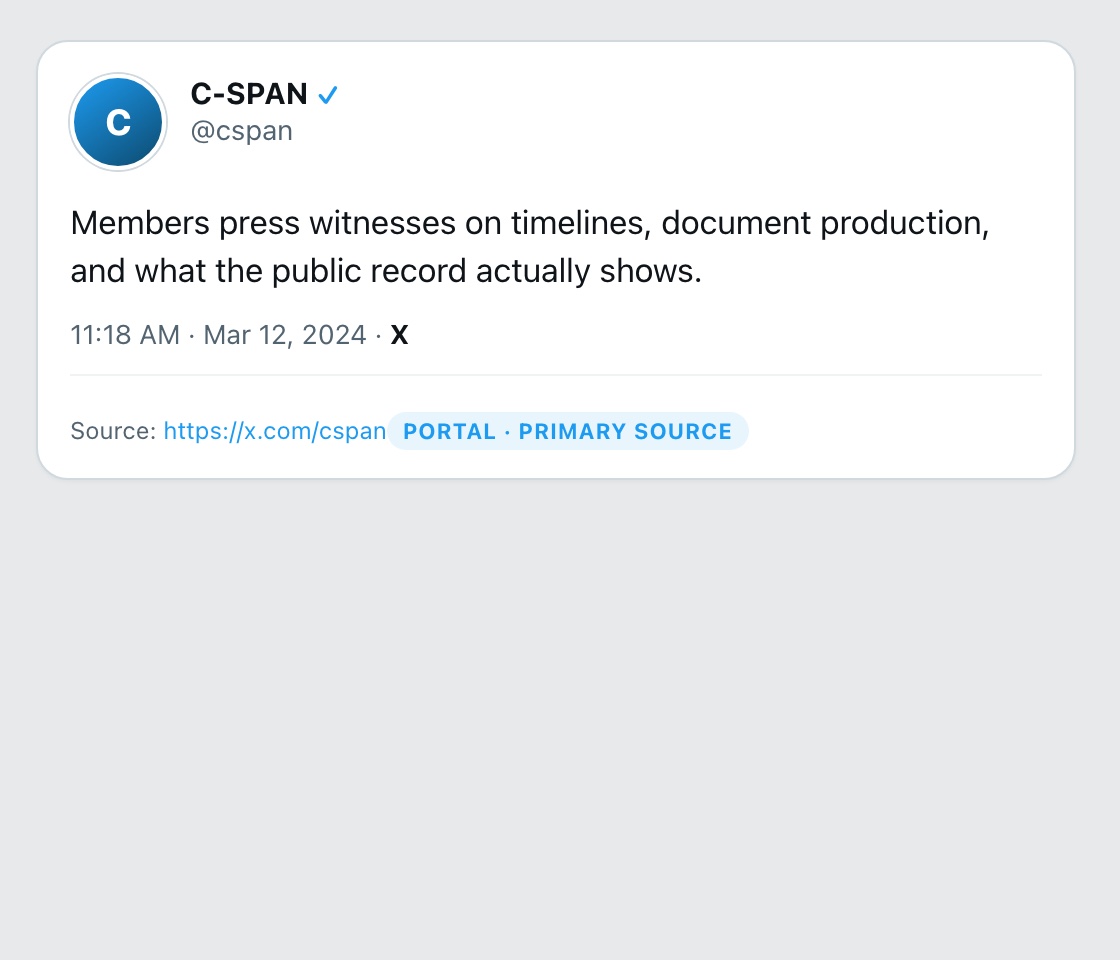
Conversely, the right has its own issues with oversight. While calling for an end to what they deem unnecessary government regulations, many on the right appear willing to overlook ethical lapses when they occur within their own party. This hypocrisy extends the problem of accountability and establishes a dangerous precedent: that oversight is only necessary when it serves a political agenda.
The Dangers of Partisan Oversight
The true danger of politicized oversight is that it erodes public trust in institutions. When citizens perceive that oversight is wielded as a weapon rather than a protective measure, they become disillusioned. This disillusionment can lead to apathy, which is arguably more dangerous than any single scandal. A disengaged electorate is one that is vulnerable to manipulation and disinformation.
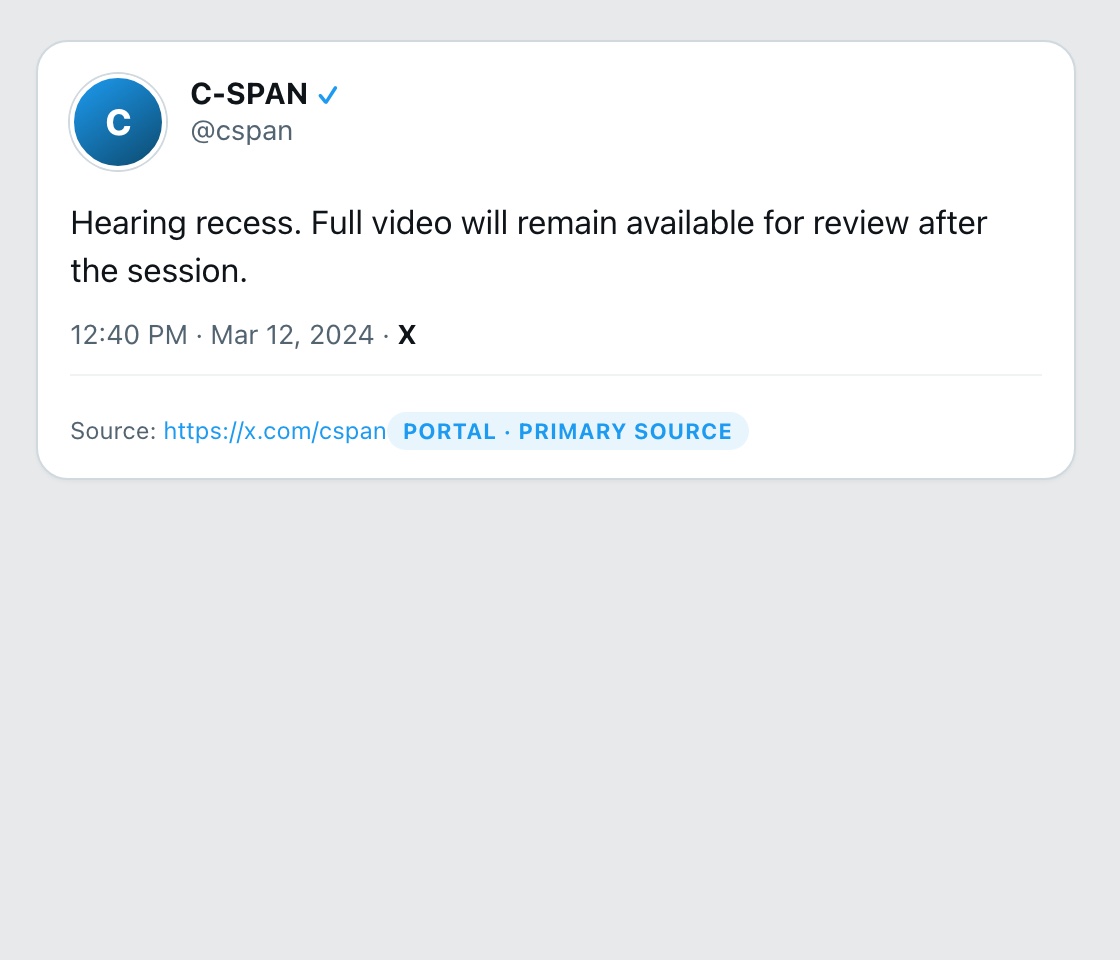
As we navigate these turbulent times, it is imperative that we foster a culture of accountability that transcends party lines. This means creating mechanisms for oversight that are not only robust but also impartial. Establishing independent bodies to investigate ethical breaches and ensuring that these investigations are conducted transparently can help restore faith in our democratic institutions.
Moreover, it is crucial that we as a society engage in self-reflection. Are we demanding accountability because it is the right thing to do, or are we simply using it to score political points? The answer to this question will determine the future of oversight in our democracy.
Moving Beyond the Headlines
With the 24-hour news cycle, many issues are often thrown into the spotlight only to vanish once the next scandal emerges. This cyclical nature of news can obscure the sustained attention needed for effective oversight. Therefore, it is vital for citizens to remain informed and engaged long after the headlines have faded. This is not just the responsibility of political leaders; it is a collective responsibility that requires active participation from all citizens.
Engagement can take many forms, from attending town hall meetings to advocating for reforms that promote transparency in government. Grassroots organizations and community coalitions can play an essential role in holding elected officials accountable. When the public demands oversight, it becomes more difficult for politicians to ignore ethical lapses.
In conclusion, oversight is a necessary component of a functioning democracy, but it requires commitment and courage from both leaders and citizens alike. Instead of allowing partisan divides to dictate the terms of accountability, we must strive for a system that is equitable and just. As we move forward, let us remember that the health of our democracy depends on our ability to hold our leaders accountable, regardless of their political affiliation.
✦ ✦ ✦