From the file. Written for the paper dated November 2017. Opened in the public stacks July 14, 2026.
As the dust settles from the latest political skirmishes, the issue of judiciary vacancies often gets overshadowed by more sensational headlines. Yet, beneath the surface, the implications of these vacancies on the judicial system are profound and deserve a closer examination.

The Unseen Battle for Judicial Seats
In the current political climate, the appointment of judges has become a contentious battleground, with both sides of the aisle wielding the issue like a weapon. The left is quick to criticize the right for its perceived attempts to stack the courts with ideologically aligned judges, while the right often portrays the left as obstructive in the nomination process. What is frequently lost in this heated exchange is the procedural aspect of judicial vacancies, which can often feel like a game of chess where the public is merely a spectator.

The vacancy count is a reflection of the political climate and the efficiency of the nominating process. As of November 2017, there were numerous vacancies at the federal level, and the slow pace of confirmations is an issue that both parties have played a role in. The procedural gridlock has led to a backlog that affects the ability of the judiciary to function efficiently.
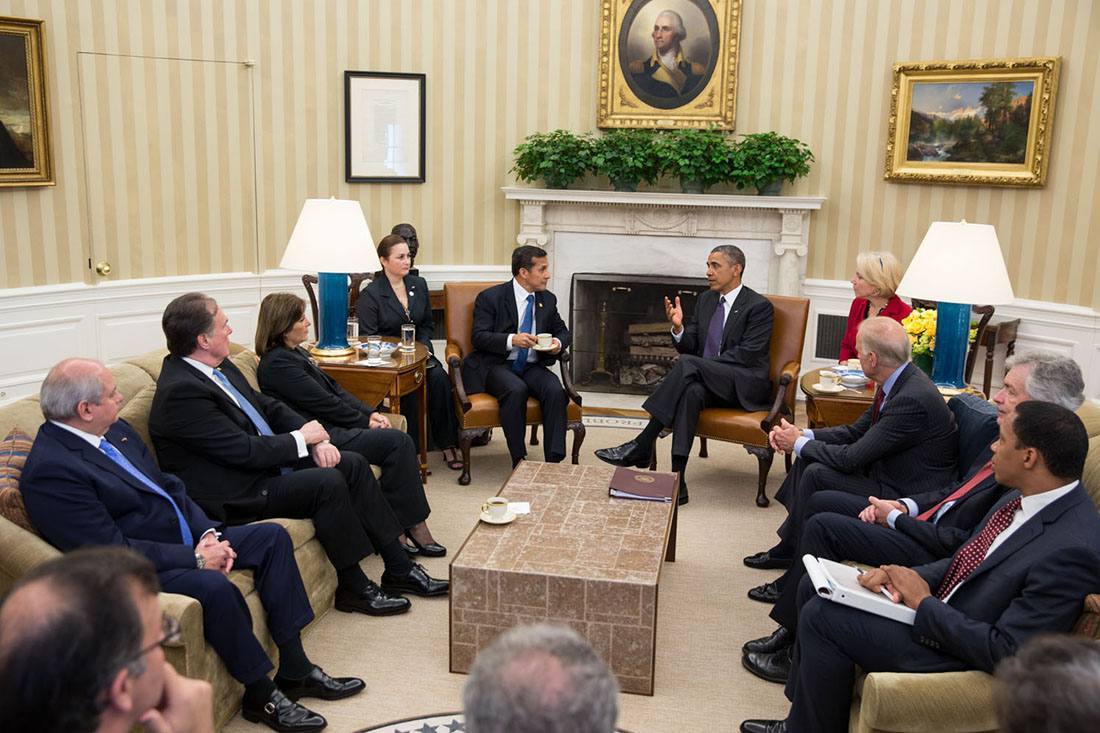
"The judicial system should not be a pawn in a political game."
The nomination process has transformed into a theater of political posturing. The recent events leading to vacancies often involve a series of complex maneuvers that can seem like a convoluted dance rather than a straightforward procedure. When a judge retires or is elevated to a higher court, the vacancy left behind is a reminder of the importance of timely nominations and confirmations. Yet, both Democrats and Republicans have been known to delay the process for their own strategic advantages, hinting that the priority of filling these seats often falls to the wayside.

Why Public Discourse Matters
Public discourse around judicial appointments tends to focus on high-profile cases or controversial nominees, neglecting the mundane yet crucial procedures that govern how these positions are filled. The average citizen may not feel the immediate impact of a vacancy in a federal court, but the ripple effects can be significant. The backlog of cases can grow, leading to delays in justice for individuals waiting for their day in court.
Moreover, the politicization of nominations has led to a growing distrust in the judicial system itself. Citizens often question whether judges are truly impartial or if they are merely extensions of the political ideologies of those who appointed them. This skepticism can undermine the very foundation of the judiciary, which is supposed to serve as a check on the other branches of government.

The Consequences of Inaction
Inaction on judicial vacancies can have lasting consequences. The longer these positions remain unfilled, the more the judicial system struggles to maintain its efficiency. A fully staffed judiciary is essential for upholding the rule of law, ensuring that cases are heard promptly and fairly. When judges are overworked and under-resourced, the quality of justice can suffer.
Moreover, the struggle to fill these seats reflects deeper ideological divides that are prevalent in our political landscape. The right often seeks to appoint judges who interpret the Constitution in a way that aligns with conservative values, while the left pushes for nominees who advocate for progressive rights. This ideological battle further complicates the already cumbersome nomination process, often leading to protracted fights that leave vacancies unaddressed for far too long.
A Call for Bipartisanship
It is crucial for both parties to recognize the importance of filling judicial vacancies as a matter of national interest, rather than a partisan issue. A functional judiciary is vital for a healthy democracy, and it is in the best interest of all citizens to see these positions filled with qualified individuals who can uphold the law without political bias.
As we navigate this complex landscape, it is imperative that we refocus the national conversation on the procedures that govern judicial nominations. Only through a cooperative effort can we hope to ensure that our judiciary remains a pillar of justice, rather than a pawn in political gamesmanship.
Conclusion
In conclusion, while the headlines may often center around the personalities and political maneuvers surrounding judicial appointments, it is essential to understand the underlying procedures that dictate how these vacancies are addressed. Both sides must rise above their partisan interests to prioritize a functional and fair judicial system. Only then can we ensure that justice is served in a timely manner for all citizens.
✦ ✦ ✦