From the file. Written for the paper dated September 2017. Opened in the public stacks July 14, 2026.
In the wake of a satellite malfunction that has raised alarms across various sectors, it is crucial to sift through the noise of political rhetoric and media sensationalism to understand the underlying causes and implications of such failures.
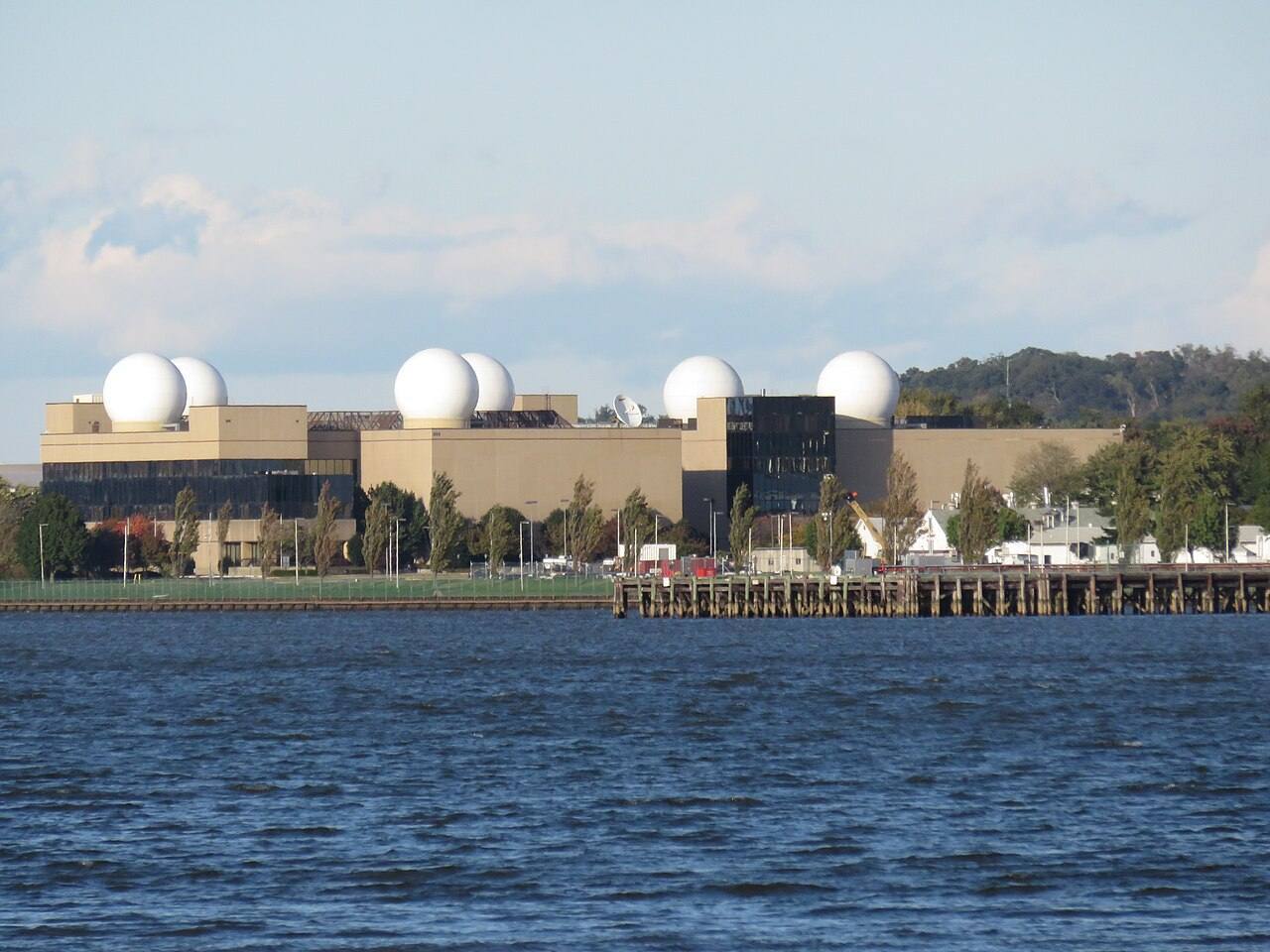
Understanding Satellite Failures
The recent satellite failure, which has left scientists and engineers grappling with unexpected challenges, highlights the intricate nature of modern space technology. Yet, as the dust settles on the incident, the focus must shift away from sensational headlines and toward the evidence that provides clarity on what went wrong.

Satellite systems are the backbone of numerous industries, from telecommunications to weather forecasting. The failure of a satellite not only disrupts these services but also raises questions about the reliability of the technology we have come to depend on. Investigating these failures requires a careful examination of technical data and operational protocols rather than a rush to assign blame or propagate conspiracy theories.
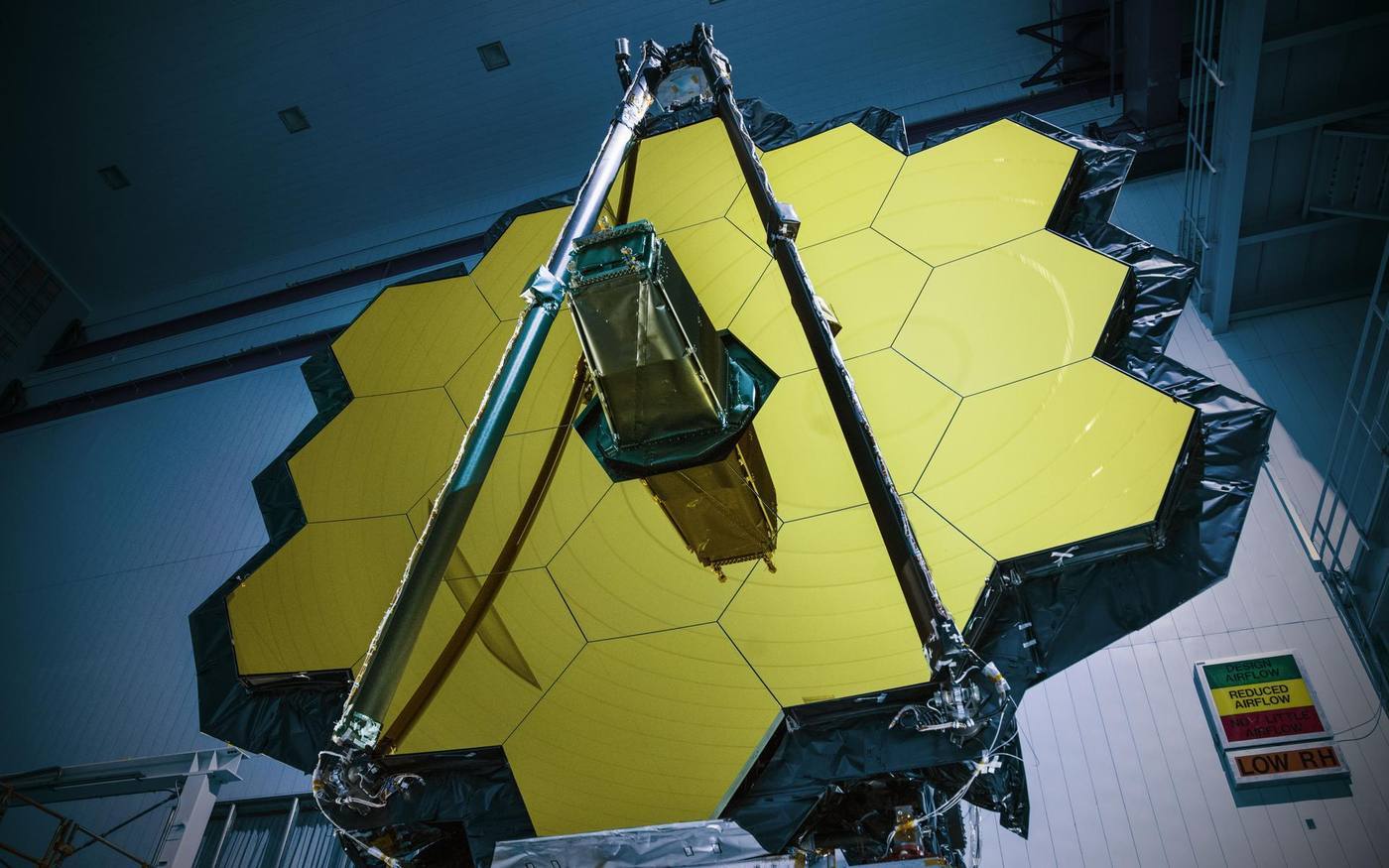
“The space industry is evolving rapidly, but with that comes a greater responsibility to ensure reliability and transparency.”
The Role of Evidence
What is often lost in the sensational coverage of satellite failures is the importance of evidence-based analysis. Engineers and scientists are already engaged in meticulous investigations to determine the root cause of the malfunction. This process can take time, as it involves analyzing telemetry data, reviewing engineering designs, and assessing operational procedures.
However, the public discourse surrounding such incidents often devolves into partisan finger-pointing. While it's true that government oversight and funding play a significant role in the success of satellite missions, both sides of the political spectrum have been guilty of exploiting these failures to bolster their narratives. The right often rails against government inefficiency, while the left may call for stricter regulations on private aerospace companies. This kind of rhetoric does little to address the complexities of satellite technology.
Political Rhetoric vs. Technical Reality
The tendency to politicize technological failures can obscure the real issues at play. For instance, while the right-wing media may focus on alleged government mismanagement, they frequently overlook the fact that the aerospace industry is a complex landscape where both government and private entities collaborate. Conversely, those on the left might emphasize the need for increased regulation but fail to acknowledge that over-regulation can stifle innovation.

Both sides seem to be missing the mark. A balanced approach that encourages accountability while fostering innovation is essential. It is not the time for blame games, but rather a moment for collective reflection on how to improve technology and ensure the reliability of our satellite systems.
Lessons from Failure
Every satellite failure presents an opportunity to learn and grow. Engineers can apply the lessons learned from failures to future designs, enhancing safety and performance. However, this requires a commitment from both government and industry to prioritize transparency and collaborative problem-solving.
In this age where the space race is rekindled with private companies entering the fray, the stakes are higher than ever. The public deserves to know not only what went wrong but also how we can prevent similar issues in the future. Transparency in these investigations could help build trust between the public, the government, and private companies alike.
Conclusion: A Call for Rational Discourse
As we digest the news of satellite failures, it is imperative that we engage in rational discourse rather than succumbing to the impulsive reactions of political extremes. To move past the sensational headlines, we must focus on the technical realities and the evidence that informs our understanding of such incidents. Only then can we hope to foster a more robust and resilient space industry that meets the needs of a rapidly evolving world.
✦ ✦ ✦