From the file. Written for the paper dated August 2017. Opened in the public stacks July 14, 2026.
As volcanic activity continues to capture public attention and concern, a closer examination reveals a troubling trend: the frequent discrepancy between sensational public claims and the scientific record.
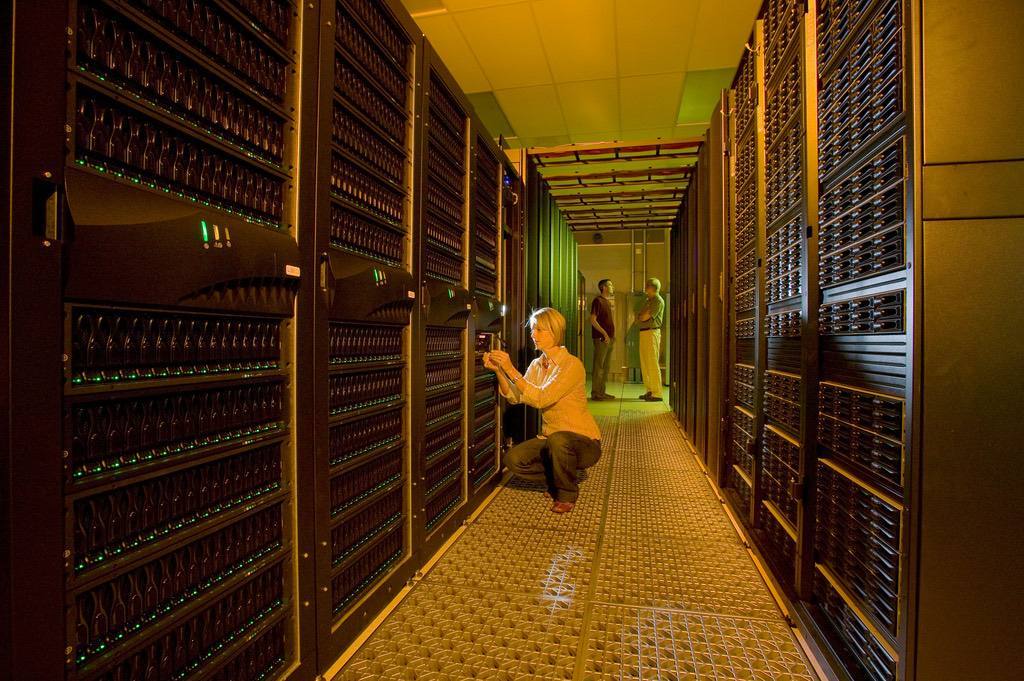
Understanding Volcano Watch
Volcano Watch serves as a critical communication tool provided by the U.S. Geological Survey (USGS), aimed at keeping the public informed about volcanic activity throughout the country. With the rise in accessibility to instant information, the importance of distinguishing between credible science and sensational claims has never been more pronounced.
In recent months, several volcanic events have garnered widespread media coverage, leading to a surge in public interest. This surge has, unfortunately, been accompanied by an uptick in misinformation, often fueled by social media and sensational headlines. While it is crucial to inform the public about potential dangers, exaggeration can lead to unnecessary panic and misinformed decision-making.
The Role of Scientists vs. the Media
"In science, uncertainty is part of the process, but the media often seeks absolutes."
Scientists working in volcanology are trained to assess risks based on observable data and established models. Their findings are often conservative, acknowledging the complexities and uncertainties inherent in predicting volcanic behavior. In contrast, media outlets sometimes prefer more dramatic narratives that grab attention, even if that means sacrificing accuracy.
For example, after a minor eruption at Kilauea in Hawaii, some reports suggested a catastrophic event was imminent. In reality, scientists monitored the situation closely, indicating that while there was some activity, it was well within the range of expected behavior for an active volcano. The disparity between these narratives highlights the tension between responsible scientific communication and the sensationalism that often dominates the news cycle.
Public Response and Responsibility
Public reaction to volcanic activity can be heavily influenced by the information they consume. Misinformation can lead to dangerous behaviors, such as unnecessary evacuations or risky tourism ventures undertaken by thrill-seekers. Communities living near active volcanoes rely on accurate information for safety, making it imperative for both scientists and media to prioritize facts over fear.
Exaggeration and its Consequences
Exaggeration of volcanic threats does not only misinform the public; it also undermines the credibility of scientific institutions. When scientists make predictions based on data and those predictions do not materialize, the public may grow skeptical of future warnings, potentially leading to apathy in the face of real threats.
This cycle of mistrust can have dire consequences. For instance, if a serious eruption were to occur after a series of exaggerated reports, the public may not take the appropriate precautions, believing them to be mere hyperbole. It is essential for scientists to communicate their findings clearly, but it is equally vital for the media to report responsibly.
A Call for Balanced Reporting
As we navigate this complex landscape of information, there needs to be a collective effort to bridge the gap between scientific communication and media reporting. Journalists should strive to present balanced narratives, highlighting the expertise of scientists while avoiding alarmist rhetoric.
Furthermore, scientists can aid in this endeavor by being proactive in their communication. Engaging with the media in a way that emphasizes clarity, context, and caution can help ensure that the public receives accurate information about volcanic risks.
Conclusion
As we remain vigilant about volcanic activity, it is imperative to cultivate a culture of informed public discourse. By prioritizing factual accuracy over sensationalism, we can ensure that communities are prepared, informed, and, most importantly, safe. The stakes are high, and in the realm of natural disasters, a measured approach can make all the difference.
✦ ✦ ✦