From the file. Written for the paper dated August 2017. Opened in the public stacks July 14, 2026.
As the 2018 midterm elections loom on the horizon, the ongoing debate surrounding the primary calendar is revealing as much about the candidates as it is about the party machinery itself.
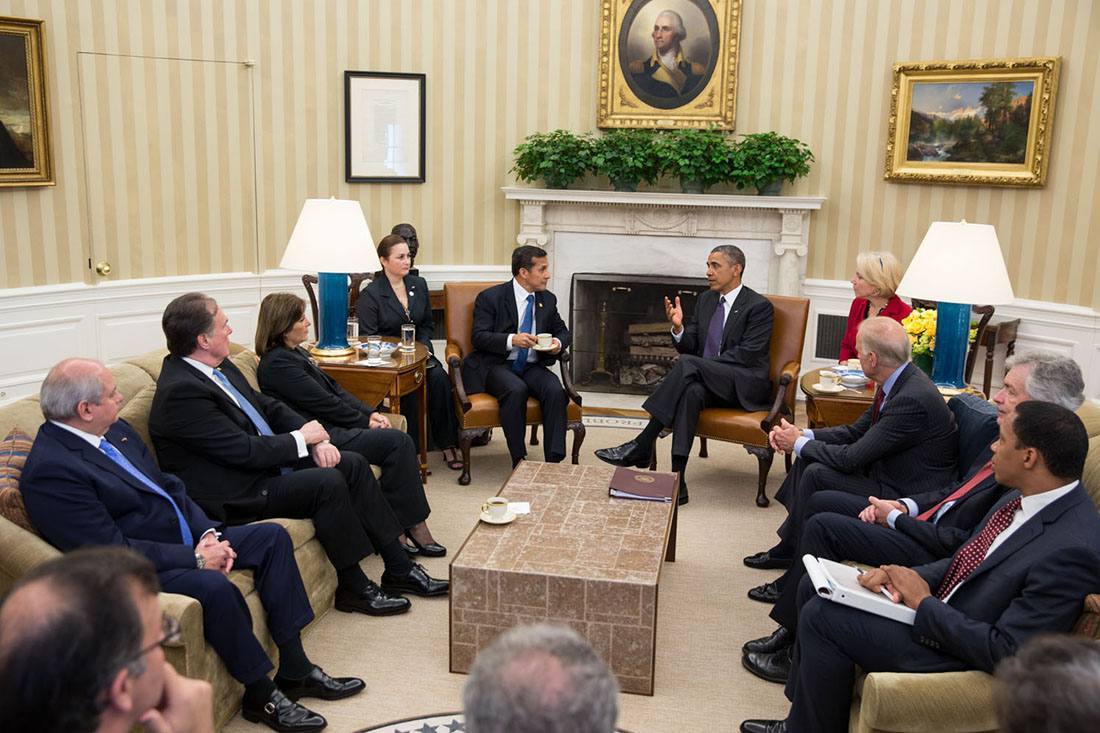
The Stakes of Timing
The primary calendar serves as a critical framework for any electoral cycle, dictating not only when candidates can officially declare their intentions but also when they can begin to campaign. As both the Democratic and Republican parties gear up for what promises to be a contentious midterm election season, the implications of the primary schedule are becoming increasingly pronounced.
It is no secret that the timing of primaries can significantly impact voter turnout and candidate viability. States that hold their primaries early often see a surge in both media attention and campaign funding for candidates who perform well. Conversely, later primaries may leave candidates at a disadvantage, especially if they are unable to build momentum in the early states.
"The primary calendar isn't just a schedule; it's a strategic battleground."
Public Claims and the Reality of the Record
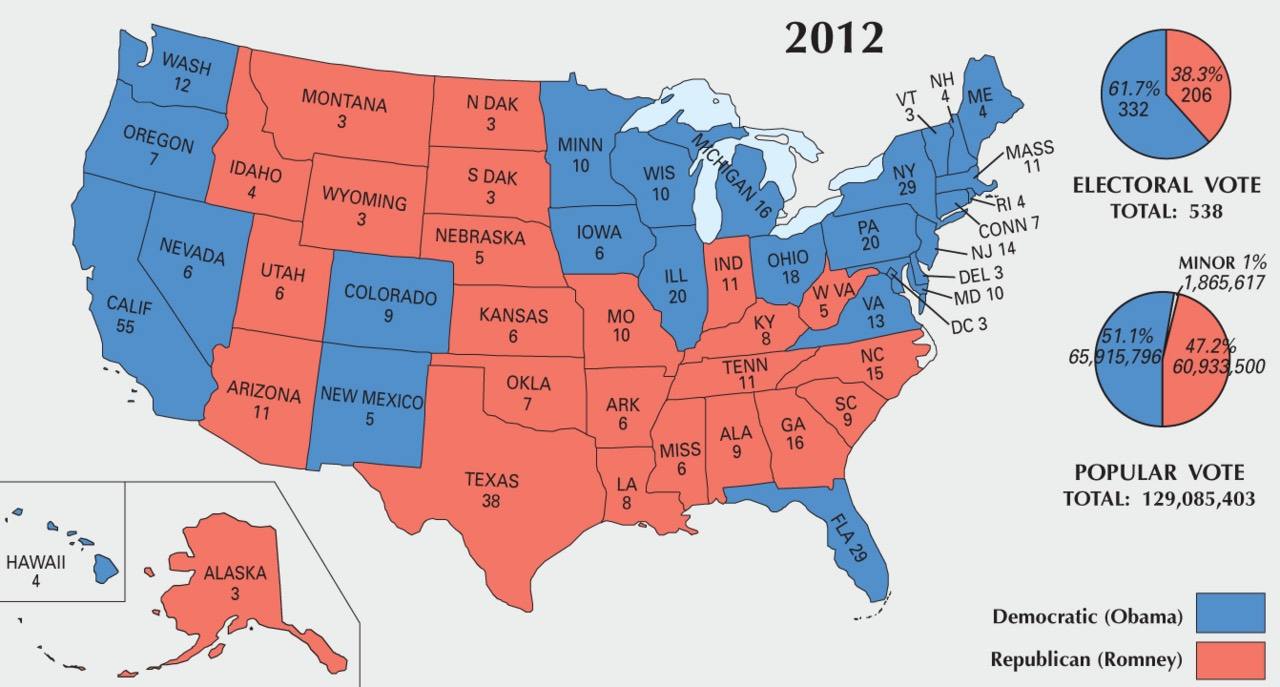
In recent months, political leaders have made bold claims about the effectiveness of the primary calendar in promoting democratic participation. However, a closer examination reveals discrepancies between these assertions and the actual data. For instance, while some argue that early primaries increase engagement, evidence suggests that voter turnout can often be low, particularly among marginalized communities.

On the left, there is a growing chorus advocating for reforms to the primary system, arguing that it disproportionately favors candidates with established networks and fundraising capabilities. In a party that prides itself on inclusivity, the current setup raises questions about the equitable access of candidates to the ballot box.
Meanwhile, on the right, the narrative is often one of a “fair fight” among candidates, with claims that the primary process allows for a true reflection of the party’s values. However, the reality is more complex. The Republican Party is grappling with its internal divisions, and the primary calendar, with its series of debates and caucuses, can exacerbate these rifts rather than unify the party. Candidates who appeal to the far-right fringe may dominate early debates, pushing mainstream candidates to the periphery and complicating their chances of winning broader support.
Candidates and Their Strategies
As candidates begin to announce their intentions, many are already strategizing around the primary calendar. For Democrats, the emphasis is on engaging grassroots movements and leveraging local organizations to boost turnout, especially in key states. Some candidates are even calling for a complete overhaul of the primary system to level the playing field.
On the Republican side, candidates are often torn between appealing to their base and maintaining appeal to the general electorate. This tension is evident as candidates navigate the expectations of party loyalists while also trying to attract moderate voters who may be disillusioned with the current political climate.
Moving Forward: A Call for Reflection
As we analyze the implications of the primary schedule, it is essential to consider the narratives being spun by both parties. The left’s call for reform and the right’s insistence on a fair competition both raise important questions about representation and democracy.
Ultimately, the primary calendar is more than just a logistical arrangement; it represents the values and priorities of each party. As candidates prepare for the upcoming battles, it’s crucial for voters to scrutinize the claims made by their leaders against the backdrop of the actual electoral landscape.
Engagement in this process is vital. As the nation gears up for the midterms, understanding the primary calendar's intricacies will empower voters to make informed decisions. Let's not lose sight of the bigger picture: the ultimate goal should be to foster a political environment where every voice is heard and every vote counts.
✦ ✦ ✦