From the file. Written for the paper dated August 2017. Opened in the public stacks July 14, 2026.
In the heated political landscape of August 2017, the debate surrounding disaster declarations has emerged as a focal point, with public claims often standing in stark contrast to the factual record.

Understanding Disaster Declarations
Disaster declarations are critical tools that allow federal, state, and local governments to allocate resources quickly in response to emergencies. These declarations can unlock vital funding and support for communities ravaged by natural disasters, such as hurricanes or floods. However, the process can be influenced by political considerations, leading to discrepancies between what officials claim and what the facts suggest.
Public Claims Under Scrutiny
In a time when public trust is at a premium, statements made by political leaders regarding disaster responses are being scrutinized more than ever. For instance, claims by certain state governors regarding the speed and efficiency of their responses to recent disasters have been met with skepticism. While some leaders tout their preparedness and the rapid mobilization of resources, reports from on-the-ground officials often paint a different picture.
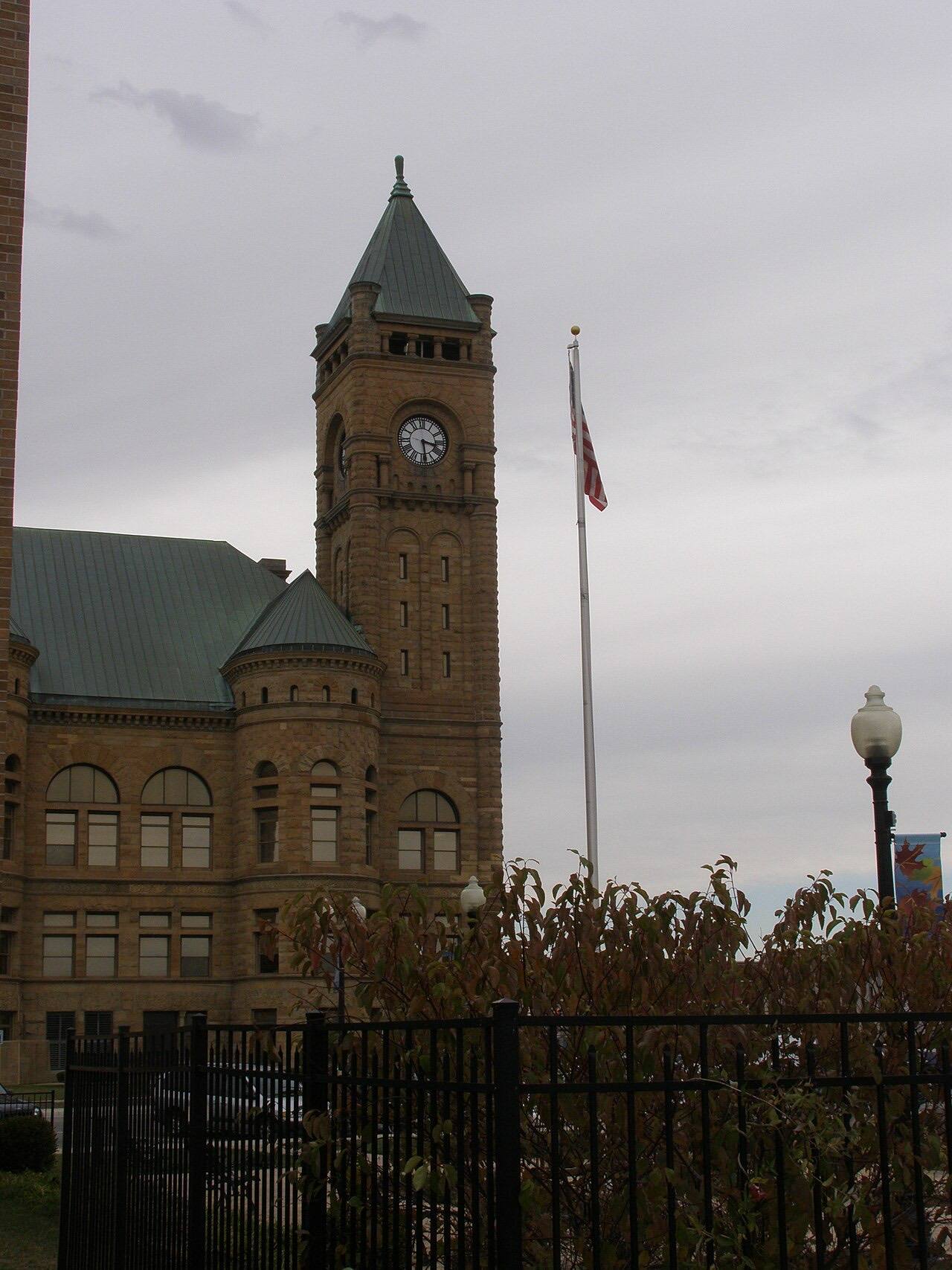
"We are ready for any disaster that comes our way," one governor declared, but local officials reported delays in aid and confusion over resource allocation.
The Role of Media and Accountability
The media plays a crucial role in holding public officials accountable. In an age where sensational headlines often dominate the news cycle, it is essential for journalists to dig deeper and provide context. Investigative reporting can uncover the truth behind the claims made by elected officials. This is particularly important when lives and livelihoods are at stake.

Excesses on Both Sides
The current climate also reveals excesses on both the left and right. On one hand, some politicians on the left are quick to criticize responses to disasters, painting a picture of incompetence without acknowledging the complexities of emergency management. On the other hand, some leaders on the right may downplay the severity of disasters or the need for federal intervention, prioritizing fiscal conservatism over humanitarian concerns. This tug-of-war often leaves communities caught in the crossfire.
Real Lives, Real Consequences
The impact of disaster declarations goes beyond mere politics. The real consequences of these decisions can be seen in communities struggling to recover from calamities. Families displaced by floods or hurricanes may find themselves at the mercy of political maneuvering, waiting for aid that seems to be delayed or insufficient. When claims from leaders do not match the realities faced by these communities, the fallout can be devastating.
"We need help now, not promises," a local resident lamented during an aid distribution event.
Bridging the Gap
To bridge the gap between public claims and the reality of disaster response, there must be a concerted effort from all parties involved. Transparency in reporting, a commitment to facts over political rhetoric, and a focus on effective governance are essential. Both sides of the political spectrum must recognize that disaster management is not a partisan issue but a matter of human welfare.
The Way Forward
As August 2017 unfolds, the call for accountability and honesty in disaster declarations grows louder. Communities deserve leaders who will prioritize their needs over political gain. It is vital for citizens to demand more from their representatives and for the media to continue to shine a light on the discrepancies that exist between public statements and the reality on the ground.
✦ ✦ ✦