From the file. Written for the paper dated July 2017. Opened in the public stacks July 14, 2026.
In the wake of sensational headlines, the truth about a radar anomaly reveals not just scientific intrigue but also the institutional safeguards that often overshadow genuine inquiry.
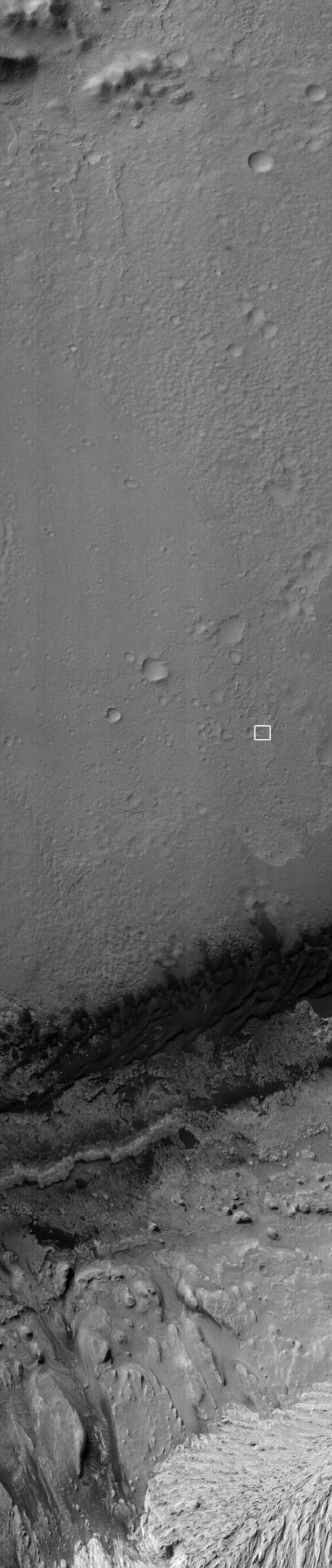
The Radar Anomaly: A Brief Overview
Recently, a radar anomaly captured headlines across major news outlets, igniting public curiosity and speculation. Reports suggested that the anomaly could be tied to unexplained phenomena, leading many to consider the implications for both science and national security. As excitement built, so too did the need for critical examination of the underlying dynamics at play, particularly how institutions respond to such events.

Institutional Responses: Protecting the Brand
When faced with public interest in extraordinary events, institutions often prioritize their reputation over transparency. In the case of the radar anomaly, government and scientific agencies swiftly issued statements aimed at controlling the narrative. Rather than encouraging open dialogue and further investigation, these organizations seemed more concerned with mitigating potential backlash.
"When headlines fade, the real work begins, but institutions must first ensure their own stability."
This raises important questions about the balance between protecting institutional integrity and fostering a culture of inquiry. The instinct to downplay anomalies, especially when they challenge established scientific paradigms, can stifle innovation and critical thought. As the public clamors for answers, the institutions tasked with providing them often retreat into defensive postures.

The Left's Reaction: Overzealous Skepticism
On the left side of the political spectrum, many commentators and activists rushed to label the radar anomaly as merely a product of governmental overreach or a distraction from pressing issues. While skepticism is a critical component of scientific inquiry, the knee-jerk dismissal of the phenomena reflects a broader trend of skepticism that sometimes borders on cynicism. This reaction risks alienating individuals who might otherwise be open to exploring the complexities of scientific anomalies.
Moreover, the left's tendency to attribute motives to institutions is not always grounded in a nuanced understanding of the science involved. Instead of fostering genuine discourse, this approach can lead to echo chambers where dissent is unwelcome, and alternative viewpoints are marginalized. In an era where society demands accountability from institutions, it's essential to remember that unsubstantiated claims can be just as harmful as blind faith in authority.

The Right's Embrace of the Extraordinary
Conversely, the right has often seized upon stories like the radar anomaly as proof of hidden truths and conspiracies. This tendency to embrace the extraordinary not only sensationalizes scientific inquiry but also cultivates a distrust of institutions, painting them as antagonistic to the public's right to know. Such a stance, while rooted in a desire for transparency, often devolves into a simplistic narrative that overlooks the complexities involved in scientific research.
"The allure of conspiracy can overshadow the need for critical thinking and skepticism."
This populist approach to science can be problematic, as it risks overshadowing legitimate scientific discourse with unfounded conspiracy theories. In an age where misinformation can spread rapidly, distinguishing between credible inquiry and sensationalism is more crucial than ever. Both sides of the political aisle must tread carefully, ensuring that their responses promote understanding rather than division.
Finding Common Ground: The Need for Balanced Discourse
As the radar anomaly continues to be a topic of interest, it is vital for scientists, journalists, and the public to engage in balanced discourse. Rather than succumbing to the extremes of skepticism or sensationalism, a middle path that values inquiry and critical thought is essential. The scientific community must be encouraged to investigate anomalies thoroughly without fear of institutional repercussions, while the public should be equipped with the tools to discern credible information from sensational claims.
The responsibility lies with all stakeholders to cultivate a culture that values inquiry over defensiveness, where science can thrive in an environment of open and honest communication. Only then can we hope to untangle the complexities of phenomena like the radar anomaly and ensure that our institutions serve the public interest effectively.
✦ ✦ ✦