From the file. Written for the paper dated July 2017. Opened in the public stacks July 14, 2026.
As public clinics grapple with funding cuts and rising patient needs, the question remains: how do these institutions protect themselves in a climate rife with political contention?
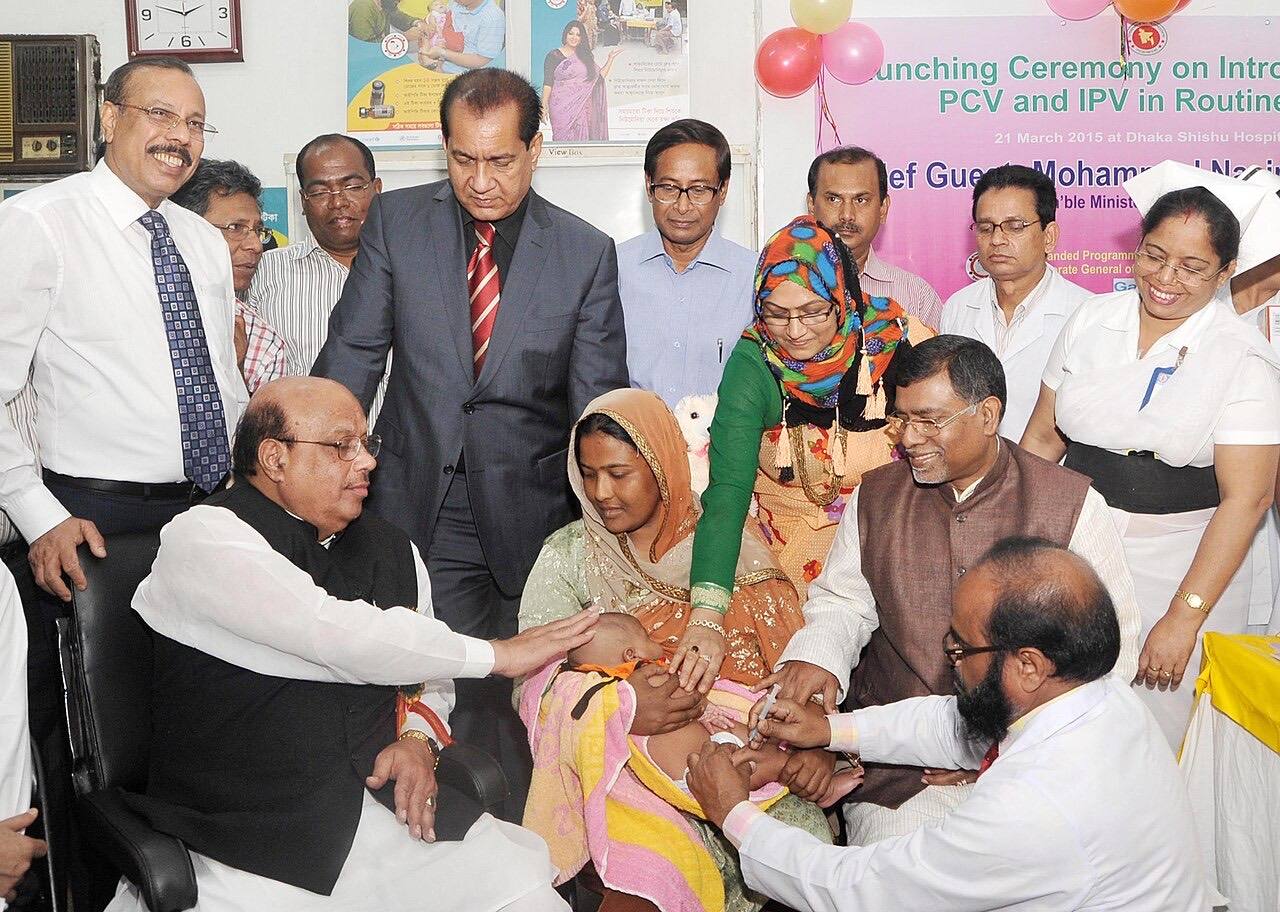
The Landscape of Public Health Clinics
In the wake of national debates over healthcare reform, public clinics find themselves in a precarious position. These essential facilities serve as the backbone of community health, particularly for low-income families and uninsured individuals. Yet, as headlines shout about healthcare failures, these clinics often fade from the public consciousness, left to navigate a landscape marked by dwindling resources and increasing demands.

Public clinics are designed to provide accessible healthcare services, but the reality is they operate under a constant cloud of uncertainty. Funding cuts from both state and federal levels have led to staff reductions and limited services. Compounding this issue is the political atmosphere that seems to oscillate between extreme left and right, with each side vying for attention but often neglecting the nuanced needs of healthcare delivery systems in the middle.

"Public clinics are often caught in the crossfire of political agendas, impacting their ability to serve vulnerable populations."
Institutional Self-Preservation
To protect themselves, many public clinics have adopted a range of strategies. They often seek alternative funding sources, including private donations, grants, and partnerships with local organizations. This diversification of funding is crucial, especially when government support becomes unreliable.
Additionally, clinics are increasingly focused on enhancing their operational efficiency. By streamlining processes and adopting best practices, they can provide effective care even with limited resources. Some clinics have even begun to implement telehealth services, a move that not only broadens access but also reduces overhead costs.
The Role of Community Engagement
Community engagement has emerged as another vital strategy. Public clinics are making concerted efforts to involve local residents in decision-making processes. This not only fosters a sense of ownership among community members but also ensures that the services provided align with actual needs. Clinics that have embraced this model report higher patient satisfaction and better health outcomes.

Political Polarization and Its Impact
However, the political climate poses a significant challenge. The extreme polarization of views on healthcare has led to a lack of coherent policy that supports public health institutions. The left often advocates for universal healthcare without fully considering the logistics of implementation, while the right tends to focus on dismantling existing systems without offering viable alternatives. This creates an environment of confusion and fear for clinics who are often left to fend for themselves.
Moreover, the rhetoric surrounding healthcare reform can have real-world implications for public clinics. Negative portrayals in the media can lead to public distrust, which in turn affects patient turnout. It is a vicious cycle where the clinics that are needed most often become the target of political blame, regardless of their efforts to provide quality care.
Looking Forward
As we move deeper into 2017, public clinics must find ways to not only survive but thrive despite the challenges they face. This requires a multifaceted approach that includes securing diversified funding, enhancing operational efficiencies, and engaging with the communities they serve. It also necessitates a call for more rational discourse around healthcare policies that can support these institutions rather than undermine them.
Ultimately, public clinics are more than just healthcare providers; they are integral parts of the communities they serve. As such, they deserve a thoughtful and measured approach to policy that recognizes their importance and seeks to strengthen their capacity to deliver care.
Conclusion
In a time of great political strife and uncertainty in healthcare, public clinics stand as a testament to the resilience of community-centered care. They require not just support but a collective effort from all sides to foster an environment where they can continue to thrive and serve the most vulnerable among us.
✦ ✦ ✦