From the file. Written for the paper dated June 2017. Opened in the public stacks July 14, 2026.
As the war powers debate gains momentum in Congress, it becomes increasingly crucial to examine the incentives that drive both sides of the aisle. The political landscape remains polarized, revealing the complexities and contradictions that shape the discourse on military engagement.
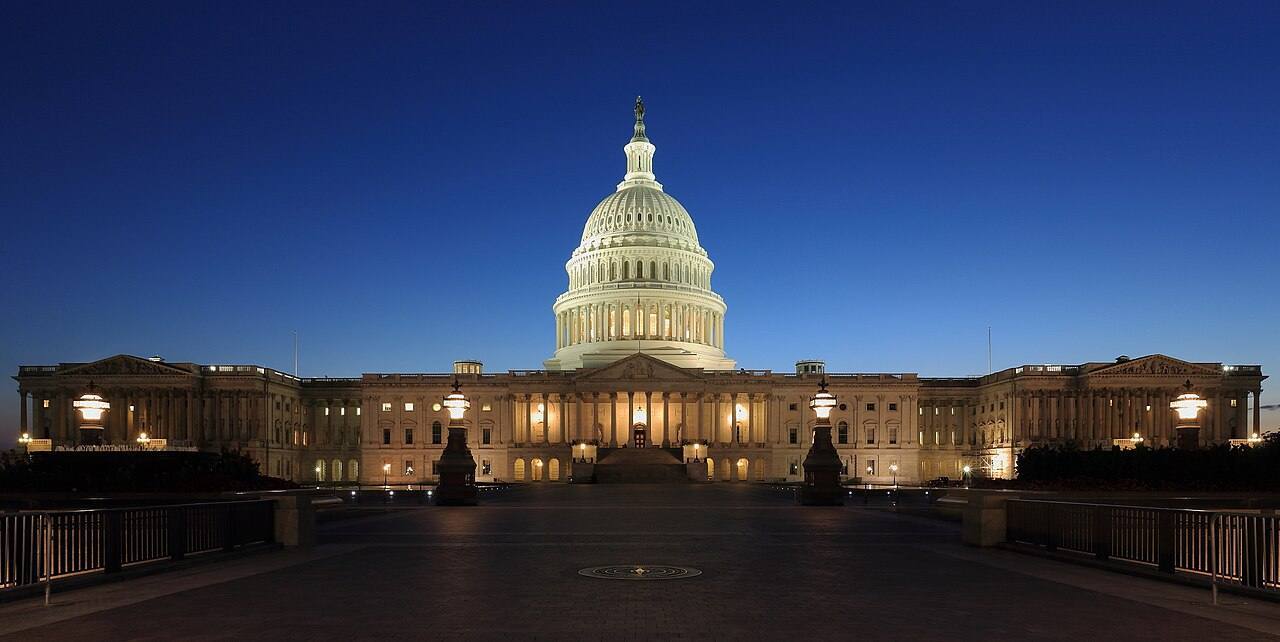
The Bipartisan Tug-of-War
In recent years, America’s military interventions have ignited fierce debates among lawmakers, with both Republicans and Democrats exhibiting distinct yet often conflicting motivations. On one hand, the right continues to champion a robust military presence abroad, often prioritizing national security and foreign policy strength. On the other hand, many on the left are advocating for a more restrained approach, emphasizing the need for congressional approval and the potential consequences of unilateral military action.
The war powers debate is not merely a clash of ideologies; it is a battleground for political maneuvering as well. For Republicans, the push for military action often aligns with a broader narrative of American exceptionalism and the obligation to combat threats abroad. However, this stance can lead to a dangerous oversimplification of complex international issues, where military solutions are favored over diplomatic efforts.

Conversely, Democrats have found themselves in a delicate position, often criticizing the expansive use of executive power by the White House while grappling with the implications of appearing weak on national security. This has led to some members of the party supporting military action under the guise of humanitarian intervention, which can undermine their calls for greater accountability.
The Role of Voter Sentiment
Both parties also respond to the shifting sentiments of their constituents. A significant portion of the American public remains wary of prolonged military engagements following the costly wars in Iraq and Afghanistan. This skepticism has fueled calls for a reevaluation of the Authorization for Use of Military Force (AUMF), which many argue has been stretched beyond its original intent.
"The war powers debate is not merely a clash of ideologies; it is a battleground for political maneuvering."
Yet, the challenge lies in balancing the need for decisive action with the imperative of transparency and accountability. Politicians are often caught between the desire to appear strong and the responsibility to heed the will of the people. This dynamic has led to a proliferation of rhetoric that can sometimes obscure the actual implications of proposed military actions.
Excesses on the Left
As the left rallies around the call for greater oversight and accountability, it is essential to recognize the potential for excess in their approach. The tendency to vilify military intervention can lead to a blanket rejection of the complexities involved in foreign policy. While advocating for diplomacy is crucial, an outright dismissal of military options can render the United States less able to respond to genuine threats.
Moreover, the left's focus on the humanitarian implications of military action can sometimes be interpreted as an attempt to moralize a strategy that is inherently fraught with ethical dilemmas. This approach risks oversimplifying the motivations behind military actions and can lead to a dangerous naivety regarding the realpolitik of international relations.
Excesses on the Right
Meanwhile, the right's fervent support for military engagement often lacks a nuanced understanding of the consequences of such actions. The relentless push for military solutions can foster a culture of interventionism that disregards the lessons learned from past conflicts. This perspective not only perpetuates cycles of violence but also alienates potential allies who may view American actions as imperialistic.
The right's framing of national security as a binary issue - either you support military action, or you are perceived as unpatriotic - can stifle meaningful debate and discourage bipartisan cooperation. This approach risks marginalizing those who advocate for a more considered strategy that prioritizes both security and diplomacy.
Finding Common Ground
As the war powers debate unfolds, there remains an opportunity for both sides to recognize the need for a more balanced approach. It is imperative for lawmakers to engage in genuine dialogue that transcends partisan divides. By acknowledging the complexities of military intervention and the importance of diplomatic solutions, both parties can work towards a more cohesive foreign policy framework.
Ultimately, the American public deserves representatives who prioritize thoughtful engagement over political posturing. The time has come for Congress to reclaim its role in war powers decisions, ensuring that military action is not only justified but also aligned with the values and interests of the nation.
✦ ✦ ✦