From the file. Written for the paper dated June 2017. Opened in the public stacks July 14, 2026.
Disaster declarations have become a hotbed of political maneuvering, with both sides of the aisle showcasing their own unique sets of incentives that often overshadow the needs of those affected.
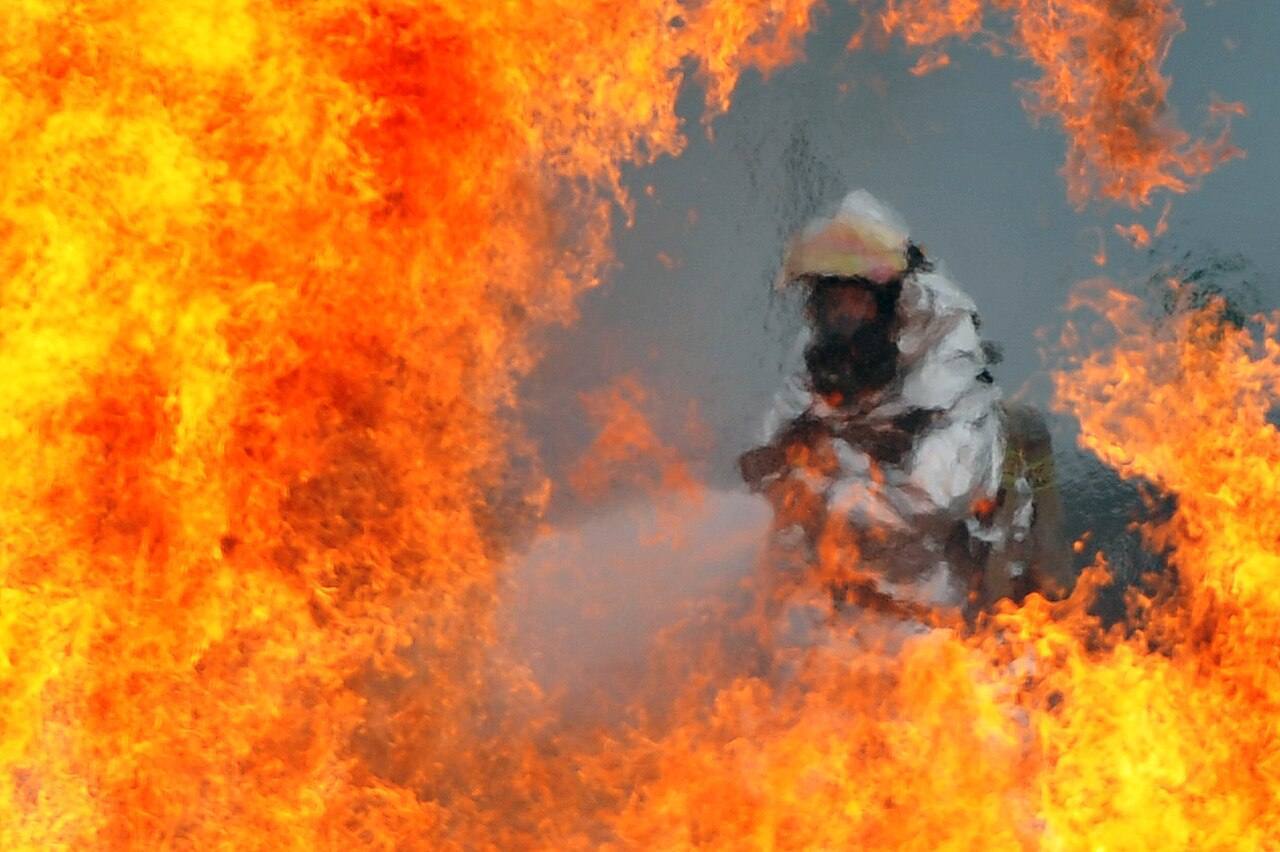
Political Gains Amidst Human Tragedy
In recent weeks, the issue of disaster declarations has come to the forefront of national conversation, drawing attention to the ways in which political incentives can shape responses to crises. Whether it is hurricanes, wildfires, or flooding, the aftermath of natural disasters often finds politicians leveraging these events to bolster their agendas.
On the left, the push for federal aid is often framed as a moral imperative. Progressive leaders argue that it is the government's responsibility to step in and provide necessary resources to communities in distress. However, it is hard to ignore the underlying political motivations. With elections looming, Democrats are keen to demonstrate their commitment to supporting working-class Americans. This is not inherently negative, but it raises a question: are they genuinely prioritizing the needs of disaster victims, or are they simply using these events as a platform to galvanize their base?

Simultaneously, the right is not without its own set of incentives. Republicans often advocate for limited government intervention, arguing that state and local governments should take the lead in responding to disasters. While this viewpoint is grounded in principles of fiscal conservatism and personal responsibility, it can lead to a lack of urgency in delivering aid when it is needed most. Moreover, the GOP has been known to capitalize on disaster declarations to push for tax cuts or deregulation, which can seem disingenuous when contrasted with the immediate needs of those affected.
"Incentives on both sides can distort the urgency of genuine relief efforts."
As these two narratives clash, the victims of natural disasters often find themselves caught in a political tug-of-war. While both sides claim to have the best interests of the populace at heart, the reality is that their actions frequently reflect more about their own political aspirations than the needs of those they profess to help.
Red Tape and Relief: The Challenges Ahead
The bureaucracy surrounding disaster declarations can be an obstacle for timely aid. In many cases, federal assistance takes weeks or even months to arrive, leaving communities in limbo. The left often points to these delays as a failure of the system, calling for reforms that would enable faster access to funds. Yet, many of these proposed reforms come with their own complications, such as increased federal oversight that some argue could stifle local decision-making.
On the other hand, the right often focuses on the importance of accountability in how disaster funds are utilized. They argue that without stringent checks and balances, taxpayer money could be misallocated, leading to further issues down the line. Yet this focus on accountability can also translate into procrastination, as local officials struggle to navigate the maze of requirements for securing federal aid. In a world where time is of the essence, the debate over red tape often overshadows the immediate needs of affected populations.
Common Ground: A Path Forward
Despite the prevailing political climate, it is crucial that both parties find common ground when it comes to disaster response. The immediate needs of affected individuals should take precedence over political posturing. A bipartisan approach that prioritizes swift and effective aid could serve as a model for future crises.
One potential avenue for collaboration lies in improving communication between federal, state, and local agencies. By streamlining the bureaucratic processes that often delay aid, both parties could demonstrate a commitment to the well-being of their constituents, regardless of political affiliation. This would not only serve the communities in distress but could also set a precedent for how disasters are managed in the future.
Moreover, establishing a dedicated task force that includes representatives from both parties could foster a more cohesive response to disasters. By working together, politicians could focus on the pressing needs of those affected, rather than using disasters as political footballs. This could help to rebuild trust among constituents who often feel abandoned in the wake of a crisis.
A Call for Accountability
Ultimately, the challenge of disaster declarations reveals the complexities of American politics. Both parties have a responsibility to act in the best interests of their constituents, and that means setting aside partisan agendas when lives are at stake. As the nation faces increasing threats from climate change and natural disasters, it is imperative that politicians rise to the occasion, putting aside their differences for the greater good.
The time for rhetoric is over. The time for action is now.
✦ ✦ ✦