From the file. Written for the paper dated June 2017. Opened in the public stacks July 14, 2026.
In an age marked by political polarization and a growing sense of disenchantment, civic boredom has emerged as a troubling phenomenon affecting Americans across the spectrum.

As we navigate through the tumultuous waters of 2017, it is evident that both the left and the right have contributed to a culture that fosters disengagement among the citizenry. Instead of inspiring active participation in democracy, political discourse has devolved into a spectacle where both extremes seem more interested in scoring points than engaging in meaningful conversation.

The Left's Call for Dissent
On the left, the narrative often revolves around resistance. While dissent is a fundamental aspect of a healthy democracy, the insistence on a perpetual state of outrage can lead to civic fatigue. The prevalence of protests and movements, while vital in many respects, can also foster an environment where individuals feel that their only role is to react rather than participate. The danger lies in the potential for civic engagement to become synonymous with dissent, leaving little room for constructive dialogue or positive action.
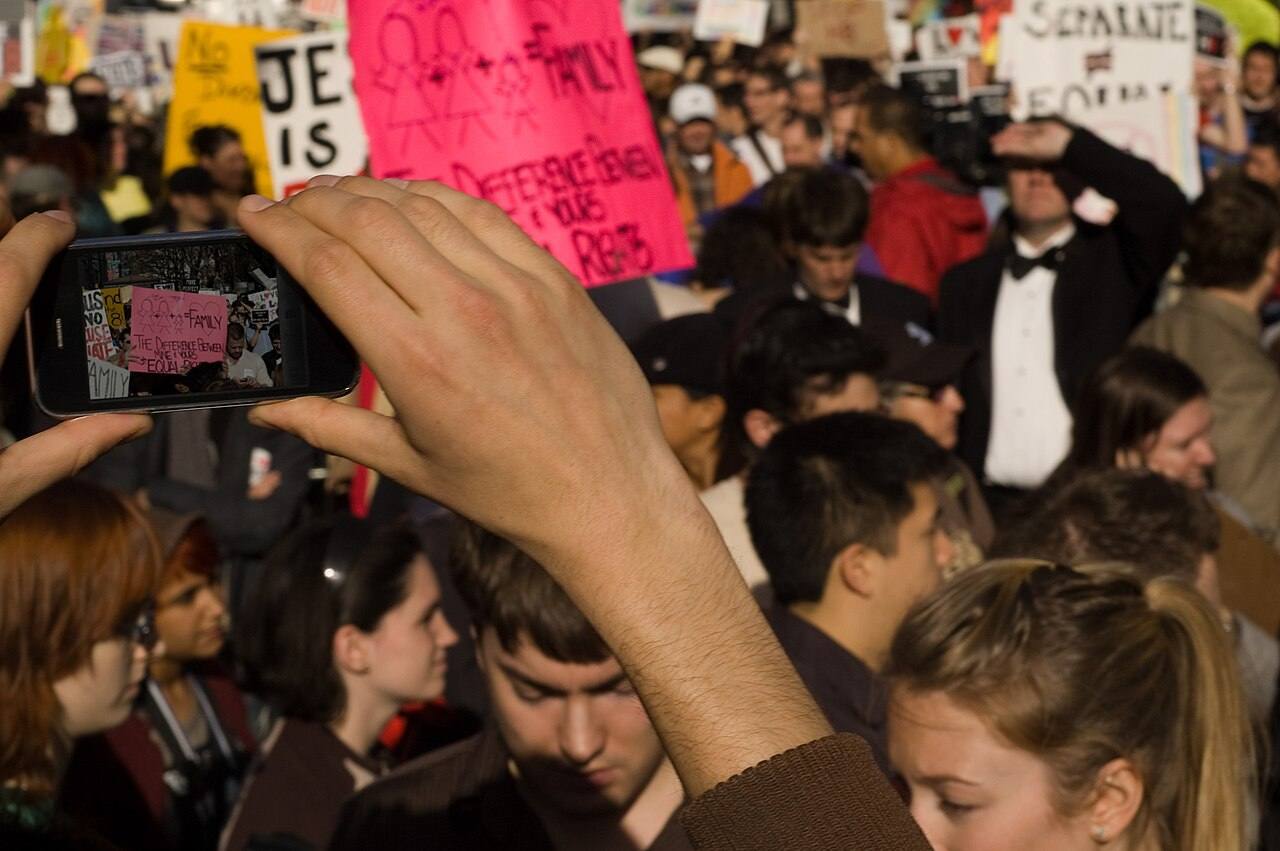
"Civic boredom is a symptom of a political landscape that offers little in the way of hope or direction."
The left's inclination to demonize opposing views can also contribute to this boredom. When political engagement is framed solely in terms of conflict, it alienates potential allies and discourages nuanced discussions. The result is a populace that feels disenfranchised, turning away from the very institutions meant to empower them.
The Right's Embrace of Populism
Conversely, the right's embrace of populism and its often sensationalist rhetoric can similarly contribute to civic boredom. The focus on identity politics and the promotion of a singular narrative can lead to a lack of diversity in thought and a stifling of constructive debate. When political discourse is dominated by a few loud voices, the average citizen may feel that their opinions are irrelevant or unwelcome.
This phenomenon is exacerbated by the tendency of some right-wing commentators to reduce complex issues to simplistic catchphrases, which can prevent citizens from fully engaging with the nuances of policy discussions. When individuals feel that their concerns are dismissed or oversimplified, they may become disenchanted with the political process altogether.
Shared Responsibility for Civic Engagement
It is crucial to recognize that both the left and the right share responsibility for the current state of civic engagement. Political leaders and activists on both sides must strive to create an environment that encourages dialogue rather than division. Civic boredom is not merely a byproduct of individual apathy; it is a reflection of an overarching political culture that often prioritizes soundbites over substance.
To combat civic boredom, it is essential for leaders to focus on creating inclusive spaces for discussion. This means engaging with individuals on the ground, listening to their concerns, and fostering an atmosphere where all voices are heard. It also requires a commitment to moving beyond mere outrage and toward constructive solutions that address the root causes of societal issues.
Encouraging Meaningful Participation
One of the most effective ways to counter civic boredom is through grassroots initiatives that empower citizens. Local community organizations have the potential to bridge the gap between individuals and political institutions, providing a platform for dialogue and collaboration. By investing in local engagement efforts, both sides can help revitalize interest in civic participation and encourage a sense of agency among citizens.
Moreover, educational efforts aimed at increasing political literacy can play a vital role in invigorating civic engagement. When individuals understand the intricacies of the political system and feel equipped to participate, they are more likely to engage meaningfully. It is incumbent upon educators and community leaders to foster an environment where critical thinking and informed discussion are valued.
Ultimately, the challenge of civic boredom requires a concerted effort from all corners of the political landscape. Both the left and the right must recognize that their approaches can alienate rather than engage, leading to widespread disillusionment. It is time for politicians and activists alike to move beyond theatrics and toward a genuine commitment to dialogue and understanding, for the sake of our democracy.
✦ ✦ ✦